From $1,600 to $11,000: How World Cup 2026 Ticket Prices Became a FIFA Headache
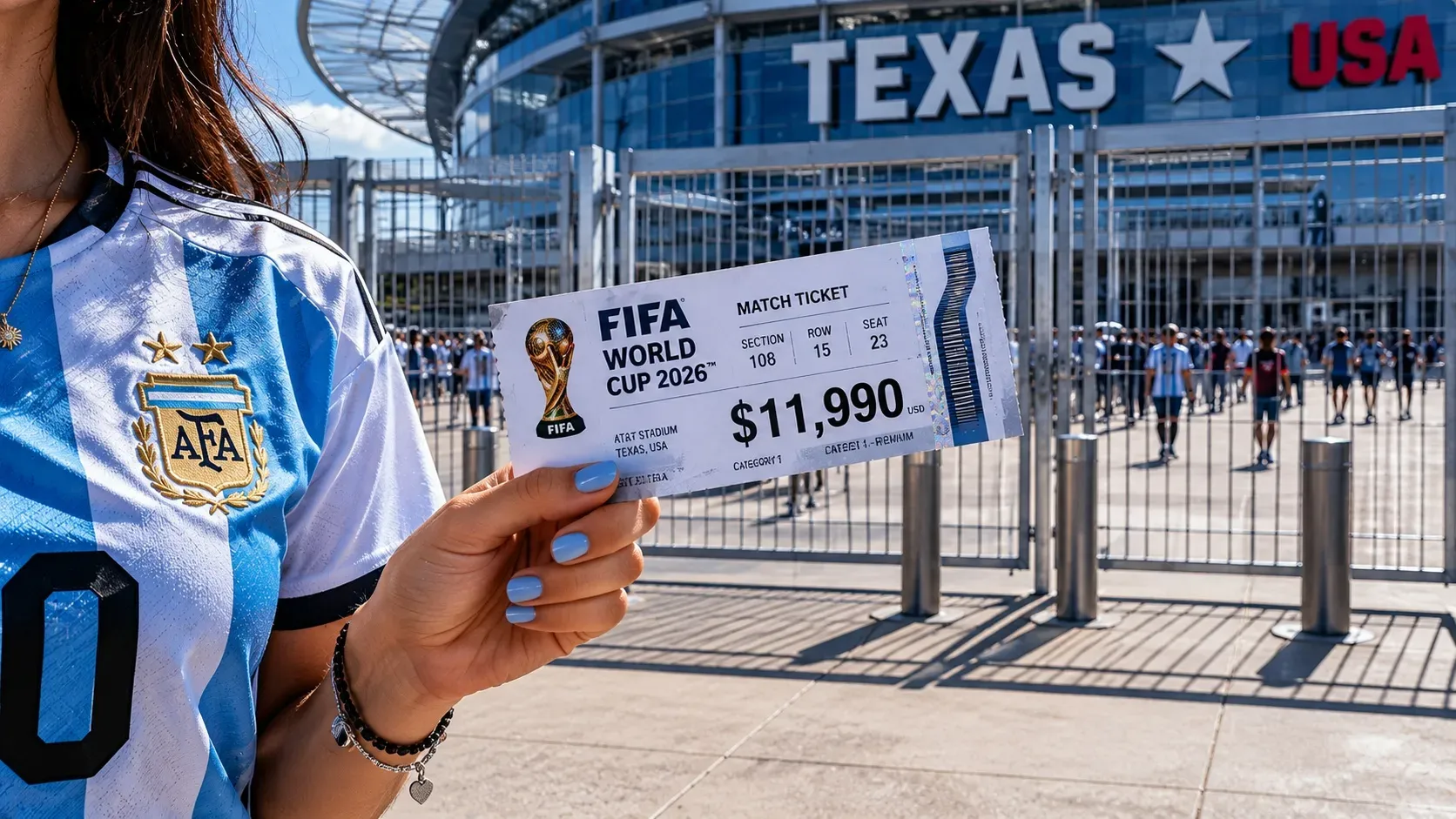
FIFA faces scrutiny over World Cup 2026 ticket sales after prices surged from $1,600 in Qatar 2022 to nearly $11,000 for the final

Dubai | EcoPulse24
Less than two weeks before the opening match of the 2026 FIFA World Cup, ticket sales have emerged as one of the tournament's most controversial issues, drawing legal scrutiny in the United States and raising broader questions about pricing transparency, fan accessibility, and the commercialization of global sporting events.
The tournament, hosted by the United States, Canada, and Mexico from June 11 to July 19, will be the largest World Cup in history, featuring 48 teams and 104 matches.
But instead of focusing solely on football, public attention has increasingly shifted toward ticket prices and the methods used to sell them.
From $1,600 to Nearly $11,000
The scale of the price increases has surprised many fans.
At the 2022 FIFA World Cup in Qatar, the highest-priced ticket for the final was approximately $1,600. For World Cup 2026, FIFA initially released its top-tier final tickets at around $6,730, before later raising prices to approximately $10,990 during subsequent sales phases.
World Cup Final Ticket Comparison
| Category | Qatar 2022 | World Cup 2026 (Initial) | World Cup 2026 (Later Phase) |
|---|---|---|---|
| Lowest-Priced Ticket | $140 | $60 | Up to $380 |
| Mid-Tier Ticket | $500 | $800 | Up to $4,105 |
| Highest-Priced Final Ticket | $1,600 | $6,730 | $10,990 |
The figures represent one of the most significant pricing shifts in modern World Cup history.
Secondary Market Prices Reach Extraordinary Levels
The controversy extends beyond FIFA's primary ticket platform.
On FIFA's official resale marketplace, the lowest-priced final tickets were listed at approximately $9,200 during May, while some listings exceeded $11 million per ticket.
While such prices do not necessarily reflect completed transactions, they highlight the extraordinary demand, speculation, and pricing dynamics surrounding the tournament.
FIFA World Cup 2026 Final Ticket Prices
| Stage | Highest Listed Price |
|---|---|
| Initial Release | $6,730 |
| April 2026 Sales Phase | $10,990 |
| Highest Secondary-Market Listing | More than $11 Million |
Dynamic Pricing Arrives at the World Cup
For the first time in tournament history, FIFA adopted a dynamic pricing model.
Widely used in the airline, hospitality, and entertainment industries, dynamic pricing allows ticket prices to rise or fall based on demand.
Reports indicate that ticket prices for many World Cup matches increased between October 2025 and April 2026, with average increases of roughly 34% across major ticket categories.
Supporters argue that dynamic pricing reflects market demand and helps maximize revenue.
Critics contend that it transforms sporting events into premium financial products, making attendance increasingly difficult for ordinary fans.
New York and New Jersey Launch Investigation
The issue has now moved beyond public criticism and into the legal arena.
The Attorneys General of New York and New Jersey have issued subpoenas as part of a joint investigation into FIFA's ticketing practices at MetLife Stadium, which will host eight World Cup matches, including the tournament final.
The investigation focuses on:
-
Dynamic pricing practices
-
Ticket price increases
-
Seat allocation transparency
-
Consumer protection concerns
-
Complaints regarding seat locations after purchase
According to state officials, some fans purchased tickets based on an initial stadium seating map but were later assigned seats farther from the field after seating configurations were modified.
New York Attorney General Letitia James stated that consumers should receive the seats they paid for and should not be misled during the purchasing process.
FIFA has declined to comment on the ongoing investigation.
Record Revenues Expected
The controversy comes as FIFA prepares for what could become the most lucrative World Cup in history.
The organization generated approximately $929 million from ticketing and hospitality during the Qatar 2022 World Cup.
With the expansion from 64 to 104 matches, combined with substantially higher ticket prices, industry observers expect World Cup 2026 revenues to significantly exceed previous records.
Overall tournament revenues are projected to reach approximately $11 billion through broadcasting rights, sponsorships, hospitality programs, and ticket sales.
EcoPulse24 Analysis
The World Cup 2026 ticket controversy reflects a broader transformation occurring across the global sports industry.
Major sporting events are increasingly adopting sophisticated revenue-maximization strategies, including dynamic pricing models that seek to capture the full value of consumer demand.
While these systems can generate higher revenues, they also raise questions about accessibility and fairness.
The World Cup has historically been promoted as a tournament for fans around the world. However, as ticket prices move further beyond the reach of average supporters, the balance between commercial success and fan inclusion is becoming increasingly difficult to maintain.
The outcome of the investigations in New York and New Jersey may help define future standards for ticket sales, pricing transparency, and consumer protection at major international sporting events.
Explore Related Coverage
Sources & References
Editorial Note
Disclaimer
© 2025 EcoPulse24. All rights reserved.