Turkey Holds Interest Rate at 37% as Energy Costs and Inflation Risks Remain Elevated
Central Bank Signals Continued Tight Policy Despite Slowing Economic Activity

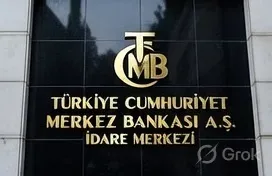
Ankara | EcoPulse24
The Central Bank of the Republic of Turkey (TCMB) left its benchmark interest rate unchanged at 37% during its June 2026 meeting, matching market expectations and marking the third consecutive decision to keep borrowing costs on hold.
The decision reflects the central bank's continued focus on combating inflation despite signs of slowing economic activity and growing uncertainty across global energy markets.
In its policy statement, the TCMB highlighted that rising energy prices linked to the ongoing conflict in the Middle East have strengthened underlying inflationary pressures, reinforcing the need to maintain a restrictive monetary stance.
The bank indicated that recent developments have shifted the balance of risks back toward inflation, effectively reinforcing the policy shift that brought an end to Turkey's rate-cutting cycle earlier this year.
Energy Shock Adds New Inflation Risks
Turkey's central bank pointed directly to higher energy costs as a key factor influencing its inflation outlook.
The prolonged conflict in the Middle East and disruptions to regional energy flows have contributed to higher oil and fuel prices, creating additional pressure on inflation in energy-importing economies such as Turkey.
Unlike major Gulf oil producers that benefit from higher energy revenues, Turkey faces increased import costs when oil prices rise, making inflation more difficult to control.
The central bank warned that these developments have strengthened the underlying trend in consumer prices and require continued vigilance.
Economic Activity Shows Signs of Moderation
While inflation remains a primary concern, the TCMB also acknowledged that economic activity slowed during the first quarter of 2026.
Higher borrowing costs have weighed on domestic demand, credit growth and investment activity, reflecting the impact of one of the most aggressive monetary tightening cycles among major emerging markets.
Nevertheless, policymakers signaled they are not yet prepared to shift toward a more accommodative stance.
The bank reiterated that interest rates will remain restrictive until a sustained decline in inflation is achieved and price stability is firmly restored.
Focus Remains on Lira Stability
The TCMB also emphasized the importance of maintaining stability in the Turkish lira, which has faced periods of volatility in recent weeks amid domestic political developments.
Currency stability remains a critical objective for Turkish policymakers, as fluctuations in the lira directly affect import prices and inflation expectations.
A weaker currency would risk importing additional inflation at a time when policymakers are already battling elevated price pressures.
EcoPulse24 Analysis
The decision to hold rates at 37% was widely expected, but the tone of the central bank's statement delivered a clear message: inflation remains the dominant policy concern.
The most important takeaway is that Turkey's monetary authorities appear increasingly concerned about the inflationary impact of higher energy prices and regional geopolitical tensions.
This places Turkey in a very different position from many Gulf economies.
While elevated oil prices support government revenues and liquidity across energy-exporting nations, they create inflationary pressure and external financing challenges for large energy importers such as Turkey.
The central bank's decision also highlights a broader global trend emerging in 2026. Rising energy costs are once again becoming a major driver of inflation expectations, forcing central banks to balance slowing economic growth against the need to maintain price stability.
For Turkey, that balancing act remains particularly challenging.
As long as energy prices remain elevated and inflation risks persist, policymakers are likely to prioritize currency stability and inflation control over supporting short-term growth, suggesting that interest rates may remain restrictive for longer than many investors had previously anticipated.
Explore Related Coverage
Sources & References
Editorial Note
Disclaimer
© 2025 EcoPulse24. All rights reserved.