Trump and Xi Set for High-Stakes Beijing Summit as Iran War and Global Trade Tensions Escalate
Trump and Xi to meet in Beijing to address Iran war, energy crisis, and trade tensions amid rising global market volatility.

Beijing | EcoPulse24
Donald Trump, Xi Jinping, China, Iran, oil prices, Strait of Hormuz
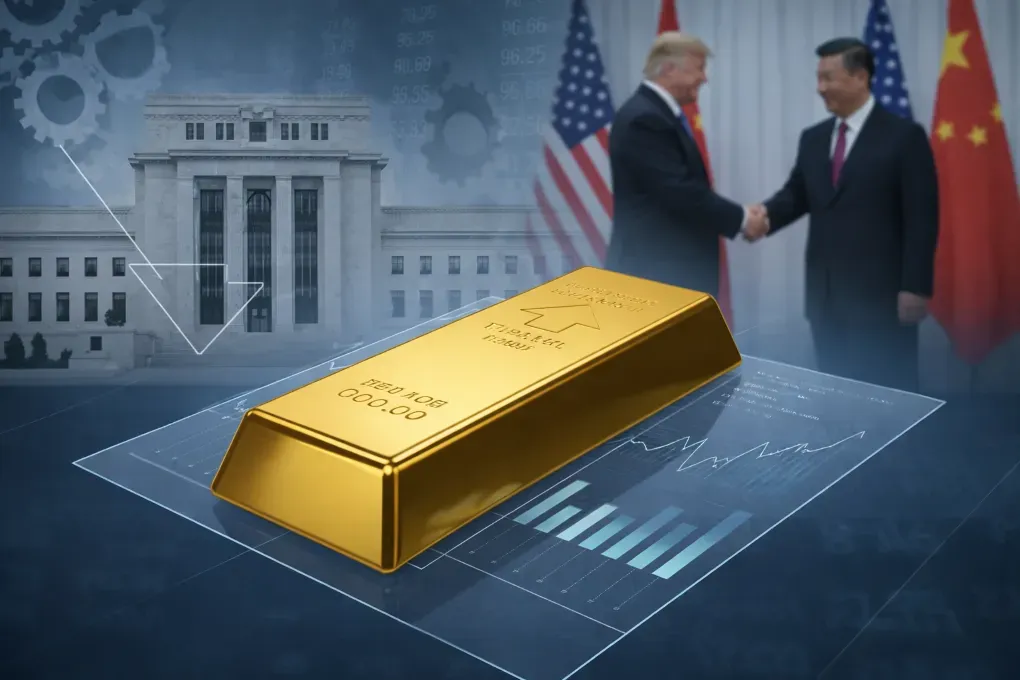
US President Donald Trump is set to meet Chinese President Xi Jinping in Beijing on Thursday in a high-stakes summit expected to focus heavily on trade tensions, the war in Iran and the growing global energy crisis linked to disruptions in the Strait of Hormuz.
According to the White House, the meeting marks the first visit by a US president to China in nearly a decade and comes at a moment of mounting geopolitical strain between the world’s two largest economies.
The talks are expected to center on China’s relationship with Iran, global energy security, bilateral trade management and sensitive regional issues including Taiwan and Hong Kong.
A US official briefing reporters ahead of the trip said Trump is expected to press Xi on Beijing’s approach toward Tehran, including Iranian oil revenues and the possibility of Chinese weapons exports linked to the ongoing conflict.
The summit comes as Washington intensifies efforts to pressure Iran into ending the war launched in late February, while also expanding sanctions on Chinese companies accused of purchasing Iranian crude oil.
Energy Crisis Moves to the Center of Diplomacy
The Beijing summit is unfolding against the backdrop of a deepening global energy shock after the closure of the Strait of Hormuz disrupted major oil and gas exports from the Gulf.
The disruption has driven oil prices sharply higher and intensified inflation concerns across global markets, while forcing major import-dependent economies such as China to secure alternative supply flows and manage growing energy risks.
China remains one of the world’s largest crude oil importers, making Gulf supply stability strategically critical for Beijing’s industrial and economic outlook.
Taiwan and Trade Tensions Back in Focus
Trump also confirmed he plans to discuss US weapons sales to Taiwan, one of the most sensitive issues in US-China relations.
“President Xi would like us not to,” Trump told reporters in the Oval Office. “And I’ll have that discussion.”
The comments follow Washington’s approval in December of an $11 billion arms package for Taiwan despite repeated objections from Beijing.
Trump is additionally expected to raise the case of imprisoned Hong Kong businessman and media figure Jimmy Lai, who was sentenced earlier this year under China’s national security law.
“People would like him out. And I’d like to see him get out too,” Trump said Monday.
The summit comes only hours after Trump warned that the ceasefire between the United States and Iran remained on “massive life support” following his rejection of Tehran’s latest peace proposal.
The White House said Trump will arrive in China on Wednesday evening before holding bilateral meetings with Xi on Thursday morning, followed by a state banquet later that day. Additional meetings, tea sessions and a working lunch are scheduled for Friday before Trump departs for Washington.
EcoPulse24 Analysis
The upcoming Trump-Xi summit reflects how the current geopolitical crisis is rapidly evolving into a broader restructuring of global trade, energy flows and economic power balances.
This is no longer simply a bilateral diplomatic meeting.
Instead, it has become a critical macroeconomic event for global markets because it sits at the intersection of energy security, inflation pressure, sanctions policy, industrial supply chains and strategic competition between Washington and Beijing.
China now faces a difficult balancing act.
Beijing needs stable and affordable energy imports to support industrial activity and economic recovery, yet it also seeks to preserve strategic relations with Iran while avoiding deeper confrontation with the United States.
Meanwhile, Washington appears increasingly willing to use energy markets, sanctions and trade leverage simultaneously as geopolitical tools.
Global investors will closely monitor the summit for signals related to:
-
future oil supply stability
-
tariff policy
-
US-China trade coordination
-
Taiwan tensions
-
inflation risks
-
commodity supply chains
Any sign of de-escalation between the two powers could temporarily calm financial markets and energy prices.
However, failure to produce meaningful diplomatic progress - particularly on Iran and trade - could trigger renewed volatility across oil, shipping, currency and equity markets worldwide.
Sources & References
Editorial Note
Disclaimer
© 2025 EcoPulse24. All rights reserved.