US Signals No Letup of Naval Blockade as It Aims to Squeeze Iran
US maintains naval blockade on Iran to force negotiations; Iran nears oil storage limit, raising pressure as oil prices rise.

Wednesday, April 29, 2026
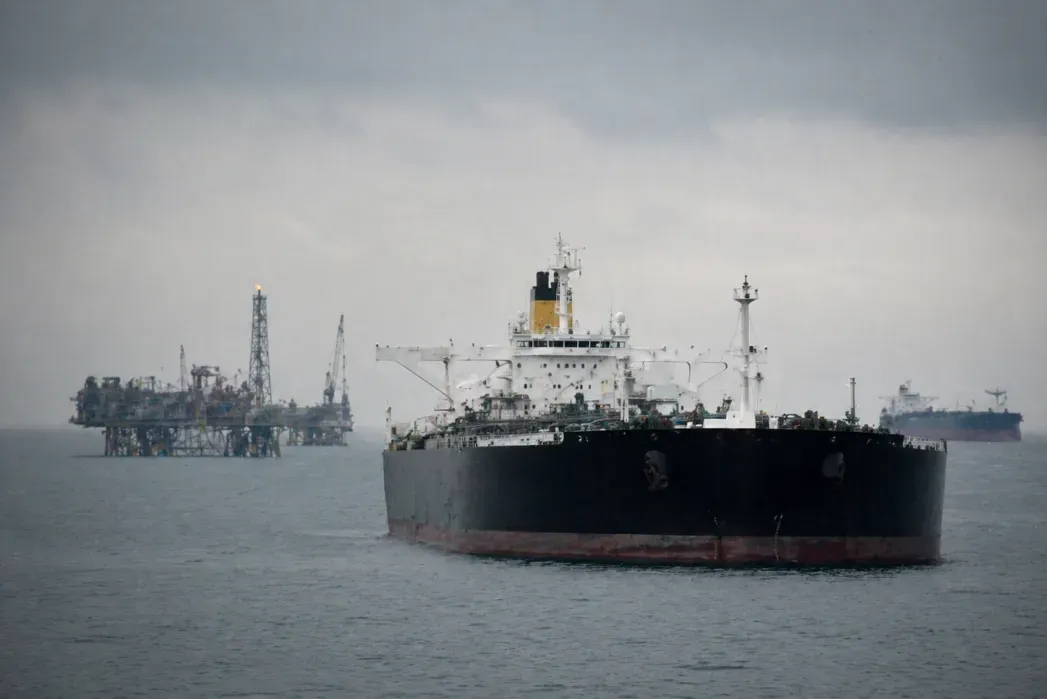
The United States has signaled it will maintain its naval blockade of Iranian ports without retreat, as Washington intensifies its campaign to choke off Tehran's oil exports and force it back to the negotiating table - while Iran's oil storage capacity approaches a critical breaking point.
📊 Key Facts
| Indicator | Detail |
|---|---|
| US Position | Naval blockade continues - no pullback |
| Iran's Position | No negotiations while blockade stands |
| Brent Crude | $112.30 ↑ 1% Wednesday morning |
| Iran's Storage Runway | 12 to 22 days remaining - Kpler estimate |
| Latest Naval Operation | M/V Blue Star III boarded and released in Arabian Sea |
Washington's Message
President Donald Trump declared Tuesday that Iran was in a "state of collapse." Treasury Secretary Scott Bessent said the "maximum pressure campaign" had caused Iranian inflation to accelerate sharply and that the country was running out of oil storage - and would soon be forced to cut production.
The Wall Street Journal reported that Trump has instructed his aides to prepare for an extended blockade, calculating that it carries less risk than resuming hostilities or walking away without a deal that constrains Iran's nuclear activities.
The Standoff in Plain Terms
The blockade sits at the heart of an impasse with no visible exit. Iran refuses to restart negotiations or reopen the Strait of Hormuz as long as the naval restrictions remain in place. Washington refuses to halt operations until Iran agrees to a peace deal. Both sides are holding their positions - and the world continues to pay in the form of elevated energy prices.
The Clock Is Ticking
The most consequential number in this story is not the oil price. It is the 12 to 22 days of remaining Iranian oil storage capacity estimated by analytics firm Kpler. When that window closes, Iran faces a binary choice: accept negotiations or begin shutting down oil wells - a process that can cause permanent damage to reservoirs.
This timeline explains Washington's calculation: the blockade is a time-limited weapon with an accelerating effect, and every passing day narrows Tehran's options further.
Operations on the Ground
US Central Command announced that marines boarded the commercial vessel M/V Blue Star III in the Arabian Sea on Tuesday, releasing it after confirming the ship's voyage would not include an Iranian port call. The vessel had been suspected of attempting to reach Iran in violation of the blockade.
Expanding the Pressure on China
The US Treasury's Office of Foreign Assets Control issued a formal alert warning financial institutions about sanctions risks linked to China's so-called teapot refineries - private operators that process Iranian crude. OFAC also issued firm guidance warning ships about significant sanctions exposure for making toll payments to the Iranian government or military for safe passage through the Strait of Hormuz.
EcoPulse24 Analysis
The crisis has entered a decisive phase. Iran's storage runway of two to three weeks places Tehran in front of choices that are all painful - accept negotiation terms or begin closing wells with potentially permanent consequences.
Washington is betting that time is on its side - a rational bet if Kpler's numbers are accurate. But the most influential variable remains Beijing's response: how China positions itself as US pressure on its private refiners intensifies will determine whether the blockade achieves its strategic objective or simply reshapes the geography of Iranian oil flows without eliminating them.
Brent at $112.30 - and every day without resolution brings the next ceiling closer than markets currently price.
Sources & References
Editorial Note
Disclaimer
© 2025 EcoPulse24. All rights reserved.