Brent Crude Rebounds Above $104 as Iran War Disrupts Global Supply
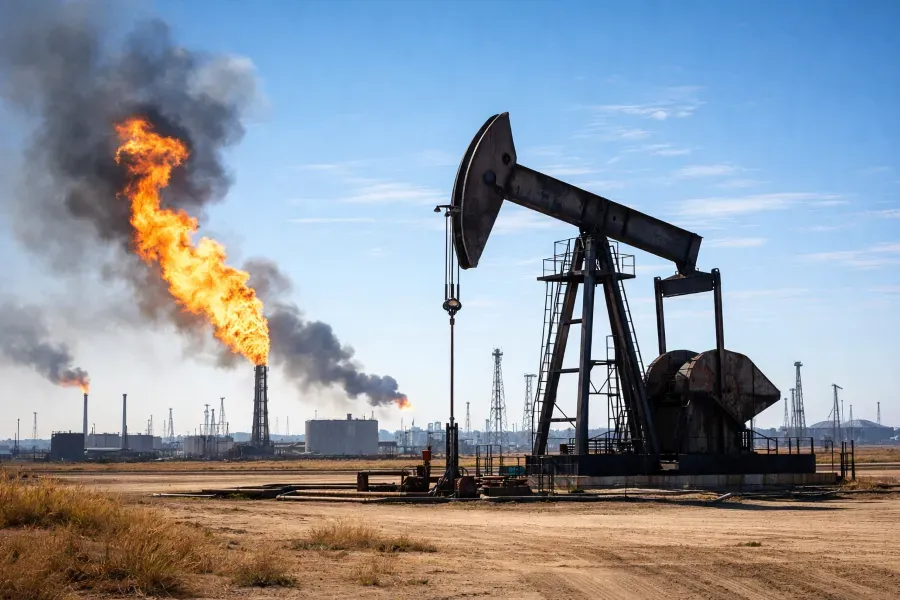
Brent crude climbed above $104 per barrel Tuesday as Iran attacks on energy infrastructure fueled fresh supply concerns globally.

EcoPulse24 | Dubai
Brent crude futures climbed above $104 per barrel on Tuesday, rebounding sharply from Monday's losses as Iran continued to step up attacks on energy infrastructure across the region, while diplomatic efforts to resolve the Strait of Hormuz crisis remained fragile.
A Sharp Reversal After Monday's Sell-Off
Brent crude rose approximately 3.8% in Tuesday trading to push past the $104 per barrel mark, while West Texas Intermediate (WTI) crude gained around 4.5% to reach $97.68 per barrel. The rebound follows a nearly 3% decline in the previous session, triggered by reports that several commercial tankers had successfully navigated the Strait of Hormuz over the weekend, briefly sparking optimism that the waterway could remain accessible to shipping.
However, those hopes faded quickly as Iran intensified its attacks on regional energy infrastructure, reinforcing fears that supply disruptions will persist even if isolated vessels manage to transit the strait.
US-Iran Back-Channel Contact and India's Role
A potentially significant diplomatic development emerged on Tuesday: a direct communications channel between the United States and Iran is now reportedly active. While officials on both sides have not confirmed a formal dialogue, the existence of a backchannel could lay the groundwork for de-escalation. India is also reported to be negotiating safe passage for six additional tankers, as several Asian and European countries pursue quiet diplomacy with Tehran to protect their shipping interests.
The United States has signaled it will allow Iran to continue shipping crude oil through the Strait of Hormuz, a posture that analysts say reflects Washington's desire to avoid a total shutdown of the waterway while maintaining military pressure. Most other nations have so far declined President Trump's call to join a formal coalition to secure Hormuz.
Global Markets React
The oil price rebound weighed on equity markets on Tuesday. European stocks were set for a lower open, with Euro Stoxx 50 and Stoxx 600 futures both down around 0.4% in premarket trade. In Asia, Japan's Nikkei 225 reversed an early gain to fall 0.09%, closing at 53,700, as rising energy costs weighed on oil-importing economies. Tech stocks led declines on the Tokyo exchange, with notable losses for Kioxia Holdings (-4.4%), Fujikura (-4%), and Lasertec (-5.2%).
Investors are also watching for European economic data due Tuesday, including the ZEW economic sentiment survey for Germany and the Eurozone, along with final inflation figures from Italy. These will provide fresh context for the European Central Bank's policy path amid the ongoing Middle East energy shock.
GCC and Energy Exporters Benefit
For Gulf Cooperation Council economies, the sharp recovery in oil prices is broadly positive for government revenues and fiscal positions. Saudi Arabia, the world's largest crude exporter, benefits directly from higher Brent benchmarks, which support the ongoing funding of Vision 2030 megaprojects. The UAE and Qatar are closely monitoring the Hormuz situation given its direct impact on regional shipping and trade finance. Coal prices also held near 16-month highs above $135 per ton, as the Middle East war drove power generators in Asia to seek alternative fuels, adding to overall energy market tension.
EcoPulse24 Analysis
EcoPulse24 Analysis: The emergence of a US-Iran communications channel is the most constructive diplomatic signal yet in this crisis, but markets are right to remain cautious - Iran's continued infrastructure attacks suggest resolution is not imminent. Brent holding above $104 and WTI above $95 are the key technical levels to watch. The next 48-72 hours around the Federal Reserve meeting and any fresh diplomatic progress will be pivotal for oil price direction. A durable Hormuz resolution would likely trigger a sharp sell-off in crude; absent that, energy prices remain elevated heading into Q2 2026, with GCC exporters as the primary beneficiaries.
Explore Related Coverage
Sources & References
Editorial Note
Disclaimer
© 2025 EcoPulse24. All rights reserved.