Canada Raw Materials Prices Post Largest Monthly Drop Since 2022, Falling 6.9% in June
Canada raw materials prices fell 6.9% in June 2026, the steepest monthly slide since July 2022, driven by a 13.7% slide in crude energy products.

EcoPulse24 | Ottawa
Canada's raw materials prices fell 6.9% month-on-month in June 2026, the largest monthly decline since July 2022 and the first monthly drop since August 2025, according to Statistics Canada data. The steep fall was driven by a sharp retreat in crude energy products, which plunged 13.7% as geopolitical developments - including a tentative US-Iran deal announcement - briefly eased global supply concerns.
Energy Products Lead the Decline
Crude energy products were the primary driver of the June decline, falling 13.7% on the month. Both conventional crude oil (-15.7%) and synthetic crude oil (-9.8%) posted sequential drops, marking the second consecutive monthly decline for each category. The tentative announcement of a US-Iran deal framework was cited as a key factor weighing on energy prices, as markets anticipated a potential return of Iranian barrels to global supply chains and the easing of sanctions-related export restrictions.
Metals and Mining Also Under Pressure
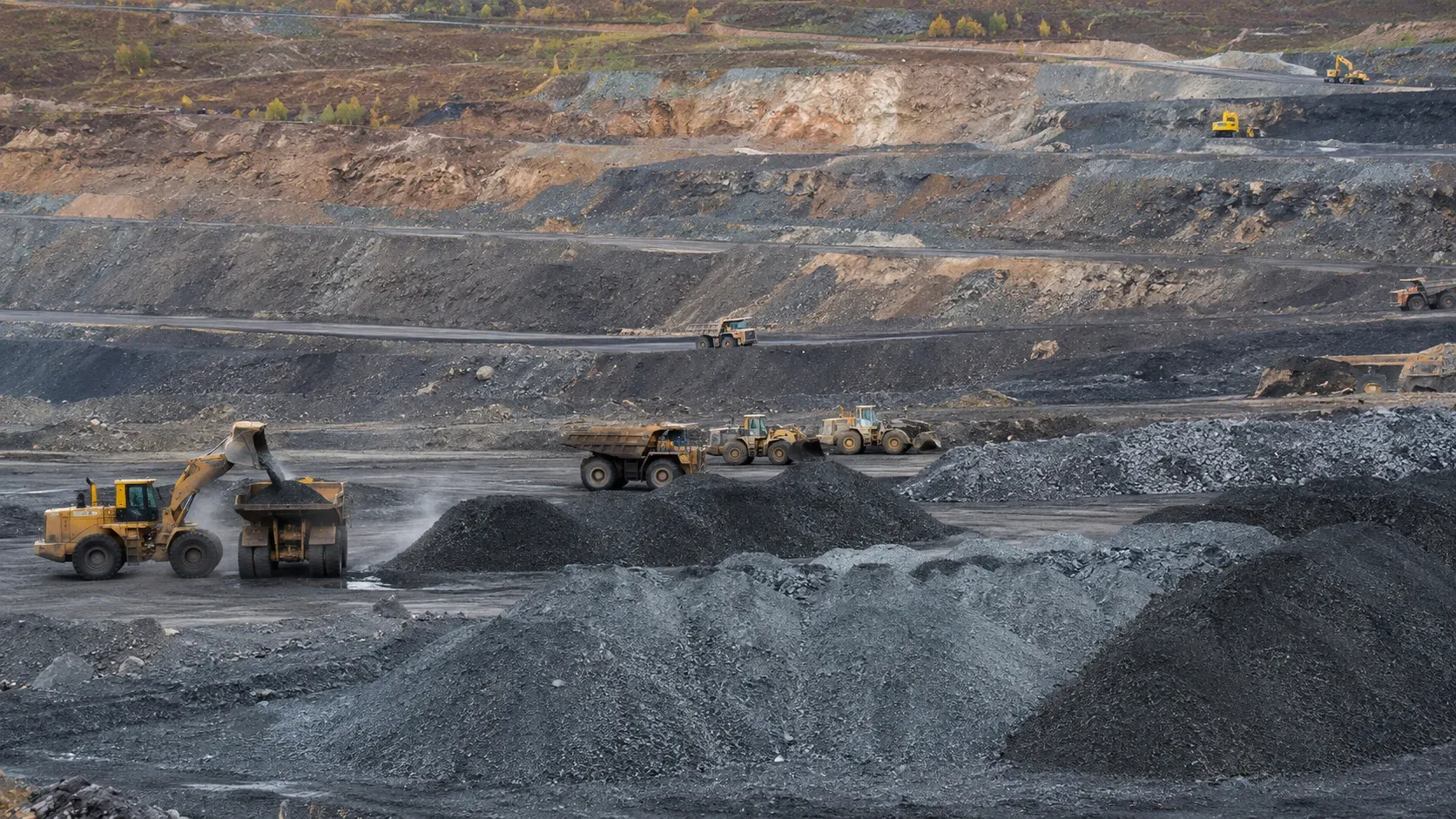
Beyond energy, metal ores, concentrates and scrap fell 5.1% in June, posting their largest monthly decline since June 2023. The gold, silver and platinum group metals sub-category contributed the most to this drop, sliding 8.4% in what was the steepest such monthly fall since July 2017. Lower nickel ore prices also weighed on the broader metals index. Excluding energy, Canada's raw materials price index still declined 2.7% in the month, indicating broad-based commodity price softness that extended beyond the crude oil sector alone.
Chemical and Food Products Diverge Higher
In contrast to the sharp raw materials decline, some downstream segments recorded firmer pricing. Food and beverage products posted a 36.8% year-on-year increase, while chemical products were 18% higher over the same period. This divergence between upstream raw materials deflation and downstream product price firmness reflects different demand dynamics across supply chain stages, and may have implications for Canadian corporate margins and producer price indices in coming months.
Broader Commodity Market Context
The June data arrives against a backdrop of significant volatility in global commodity markets, driven by geopolitical developments in the Middle East and shifting energy supply dynamics. While crude oil prices have since recovered sharply in July - touching triple digits amid renewed Gulf supply concerns - the June raw materials data captures a brief window of relative market calm following the Iran deal speculation. Canada, as one of the world's top energy and mining exporters, is particularly sensitive to global commodity price swings, making this data a useful leading indicator for corporate earnings across its resource sector.
EcoPulse24 Analysis
EcoPulse24 Analysis: The 6.9% monthly drop in Canadian raw materials prices in June illustrates how quickly commodity markets respond to geopolitical signals, with the tentative US-Iran framework proving a temporary ceiling for crude prices. For GCC energy producers, the data serves as a reminder of the downside risk embedded in any diplomatic breakthrough that restores Iranian supply. However, with oil prices recovering sharply in July amid renewed Middle East tensions, the June dip now appears transitory. Watch Canadian producer price data over the next two months for early signals on how this upstream deflation is working through corporate cost structures across the resource sector.
Explore Related Coverage
Sources & References
Editorial Note
Disclaimer
© 2025 EcoPulse24. All rights reserved.