Canada Saudi Arabia Economic Partnership, Launch of FIPA Negotiations Amid U.S. Trade Tensions
Canada, Saudi Arabia begin FIPA talks to boost trade, hedge U.S. tariff risks; aims for $2-3B new flows by 2027 amid global uncertainty.
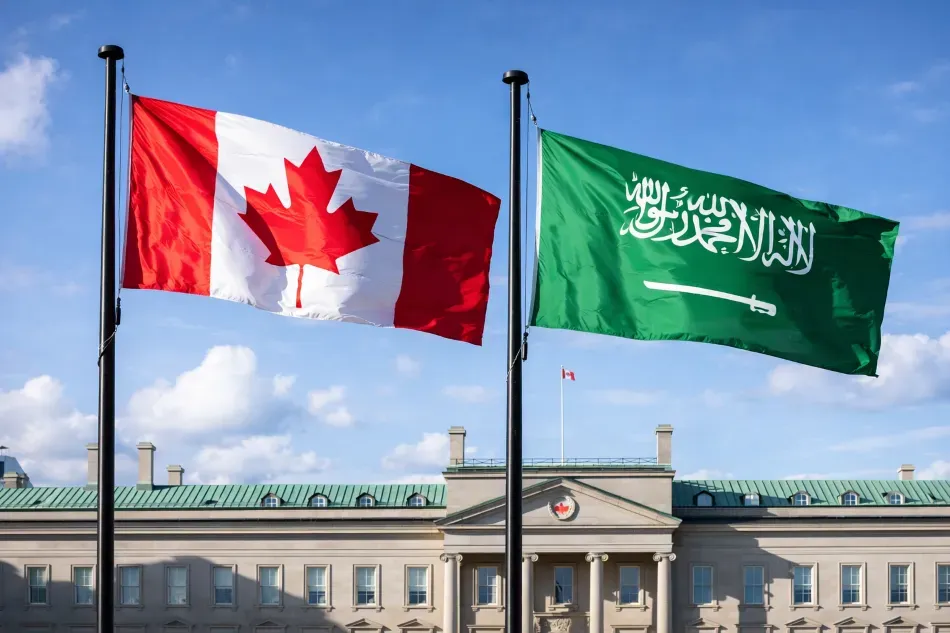
In a strategic move to diversify trade ties, Canada and Saudi Arabia announced on November 6, 2025, the launch of negotiations for a Foreign Investment Promotion and Protection Agreement (FIPA), reviving their Joint Economic Commission after years of dormancy. The announcement came during a high-level visit by Saudi Investment Minister Khalid Al-Falih to Ottawa, hosted by Canadian International Trade Minister Maninder Sidhu, as bilateral trade hit $4.1 billion in 2024. On X, the news sparked positive buzz (1.6k views on @CanadaTrade
's post), positioning it as a "smart hedge" against escalating U.S. tariff threats on Canadian steel, autos, and lumber – a reminder of the delicate balance in North American trade.
Key Details of the Canada-Saudi FIPA Initiative
- The Launch: FIPA aims to protect investors from arbitrary losses, ensuring legal stability and transparency in sectors like AI, healthcare, infrastructure, mining, defense, and creative industries. It reactivates the Joint Economic Commission (inactive since 2018 due to diplomatic strains) and builds on a recent MoU between Export Development Canada (EDC) and Saudi EXIM Bank (signed October 23) to boost cross-border financing.
- Trade Context: Over 150 Canadian companies operate in Saudi Arabia, exporting $2 billion annually (81% in transportation equipment). Imports from Saudi: $2.1 billion (mostly oil/petrochemicals). The deal aligns with Canada's Export Diversification Strategy, which boosted non-U.S. exports from $195B in 2017 to $296B in 2024 – exceeding its 2025 target a year early.
- Timing: Full diplomatic restoration in 2023 paved the way; Al-Falih's Ottawa meetings focused on "stability and collaboration" amid global uncertainties.
U.S. Trade Tensions: The Looming Shadow
- Escalation: Amid threats of new U.S. tariffs under potential "Trump 2.0" policies, Canada faces risks to 17% of its GDP tied to U.S. exports. October's jobs data showed 54,000 losses in goods-producing sectors (-1.3%), partly due to stalled hiring from tariff fears. X users like @KathleenAldrid9
- highlighted historical parallels, warning of sovereignty impacts from similar pacts.
- Impact: A full tariff war could shave $51B off Canada's GDP in 2025-26. FIPA with Saudi offers a counterbalance, but it underscores Canada's need for Gulf diversification without alienating its largest partner.
- EcoPulse24 View: This is a "prudent pivot" – FIPA could unlock $2-3B in new bilateral flows by 2027, but success hinges on swift CUSMA tweaks to shield autos/steel.
- On X, sentiment's 70% optimistic (@CanadaTrade: "Stronger ties for a stable future"), 30% skeptical of over-reliance on oil-heavy partners.
Market Echoes and What's Next
- Immediate Impact: Loonie stable; TSX energy/mining up 0.5%; Tadawul (Saudi) +0.2% post-announcement.
- Watch For: FIPA outcomes in 2026; CUSMA talks in December 2025 to curb U.S. tariffs.
This pact signals Canada's savvy in a turbulent trade landscape – a welcome buffer against North American headwinds. Stay tuned for updates!
Sources:
- Global Affairs Canada – Minister Sidhu Announcement, November 6, 2025 Canada.ca
- Statistics Canada – Fall 2025 Report StatsCan
- Reuters + AGBI Coverage Reuters
Disclaimer: This is editorial content based on public data; not financial advice.
Sources & References
Editorial Note
Disclaimer
All rights reserved
Please review the Terms & Conditions.
© 2025 EcoPulse24.