Canadian Tariff Cuts Provide Early Market Entry for Tesla and Volvo in the EV Sector
Canada's tariff cuts on Chinese EVs give Tesla and Volvo early market entry, reshaping North American EV competition and supply chains.

Ottawa | EcoPulse24
According to Bloomberg, a new trade deal between Canada and China is reshaping competition in North America's electric vehicle (EV) market. The agreement significantly lowers tariffs on Chinese-made EVs, allowing 49,000 vehicles annually to enter Canada with reduced duties, replacing a former 100% tariff as part of a broader deal involving concessions in the canola sector.
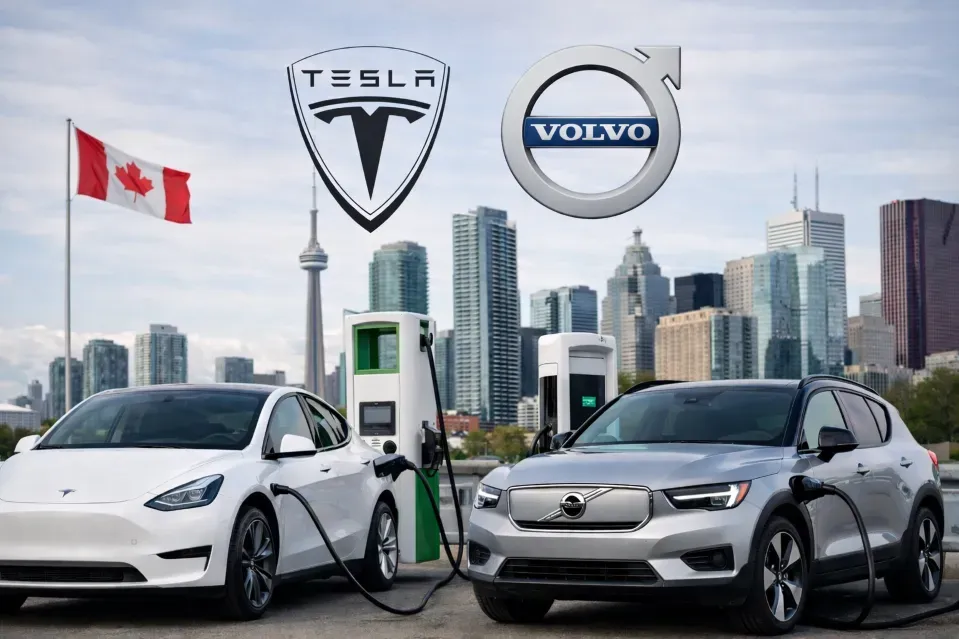
Early beneficiaries are companies with existing regulatory approvals in North America, notably Tesla and Geely Group brands like Volvo and Polestar. Their readiness shortens market entry time and offers operational advantages, ahead of other Chinese manufacturers expected to follow as Canadian authorities expedite approval procedures.
The agreement's impact goes beyond current players, potentially prompting a broader repositioning of the EV industry in the region. Accelerated approval of new models within weeks could solidify long-term Chinese presence in Canada, potentially redrawing supply chains and competitive dynamics, especially given diverging Canadian and US trade policies toward Chinese vehicles.
Additionally, the deal opens opportunities for mass-market companies, with part of the quota likely going to lower-priced EVs, enhancing the appeal of affordable electric cars and increasing competitive pressure on local manufacturers. This shift coincides with a more flexible global stance toward Chinese EVs, following signals from Europe to ease punitive measures.
Analysis: The trend highlights a shift in competition from tariffs to regulatory readiness and rapid market deployment. Companies able to capitalize on early entry may secure market share before broader Chinese expansion. Conversely, the agreement poses a strategic challenge for North American auto industries, with Canada potentially becoming an alternative gateway for Chinese EVs amid diverging transatlantic trade policies.
Explore Related Coverage
Sources & References
Editorial Note
Disclaimer
© 2025 EcoPulse24. All rights reserved.