Chile Trade Surplus Hits 6-Month High on Copper and Lithium Surge
Chile's trade surplus jumped to $3.3B in June, its largest since January, as copper exports rose 17.6% and lithium carbonate surged 208%.

EcoPulse24 | Santiago
Chile's trade surplus widened sharply to $3.3 billion in June 2026, up from just $1.5 billion in the same month a year earlier and exceeding market forecasts of $2.9 billion. The result marked the country's largest monthly trade surplus since January, driven by a broad-based surge in commodity exports led by copper, lithium, and gold.
Exports Jump to Six-Month High
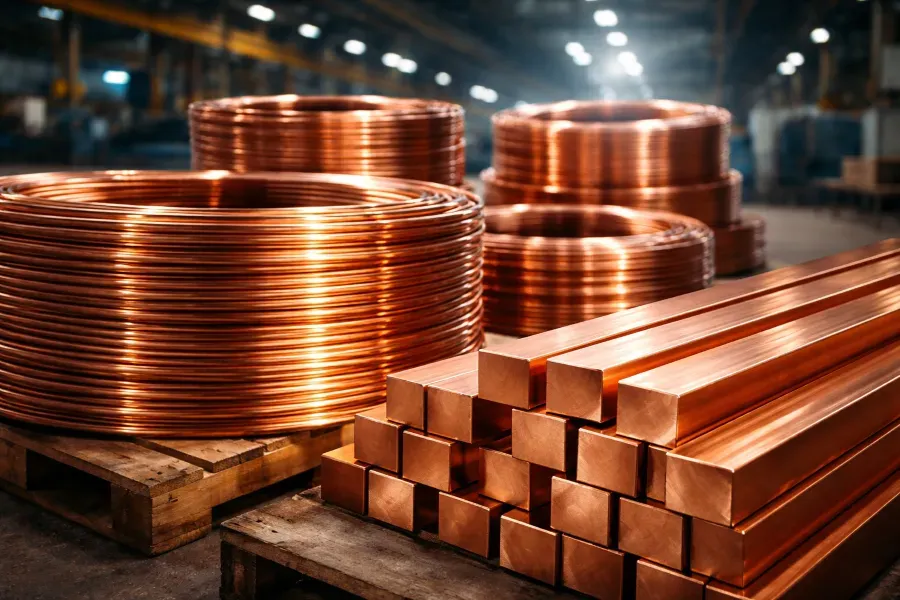
Total exports climbed 25.1% year-on-year to $10.8 billion, the highest level in six months. Copper, Chile's flagship export and the world's most widely used industrial metal, rose 17.6% in value terms, underpinned by steady global demand from the energy transition and manufacturing sectors. Analysts note that copper prices have held firm amid ongoing supply tightness and rising consumption from electric vehicle production and grid infrastructure buildout worldwide.
The gains extended well beyond copper. Lithium carbonate exports surged an extraordinary 208.3%, reflecting a rebound in pricing and sustained demand from battery manufacturers in Asia. Gold shipments rose 160%, while silver exports jumped 128.2%. Molybdenum concentrates, used in steel alloys, gained 47.5%. Together, these figures illustrate how Chile's export base is benefiting from the global demand cycle for critical minerals tied to clean energy and technology.
Industrial products also contributed significantly, rising 27.1% in value. Chemical products led that category with an 84% gain, while metallic products, machinery and equipment grew 20.5%. Agricultural, forestry and fishing exports added a more modest 5.3% gain.
Imports Grow but Trail Export Pace
Imports rose 4.7% to $7.5 billion, a much slower pace than exports, which is what widened the surplus so significantly. Intermediate goods imports grew 12.8%, driven by raw materials used in industrial production. Consumer goods imports edged up 1.2%. Capital goods imports declined 9.5%, suggesting that domestic investment spending remains cautious even as the export sector booms.
The mismatch between fast-growing exports and more restrained imports reflects Chile's current position as a key beneficiary of the global commodity supercycle, particularly in metals critical to the energy transition. The country holds the world's largest known lithium reserves and is the second-largest copper producer globally.
Broader Context: Commodities and Global Demand
Chile's June trade figures arrive at a moment of heightened attention on critical mineral supply chains. Geopolitical tensions in the Middle East have disrupted sulphur shipments from the Strait of Hormuz, boosting prices for Canadian sulphur exports but also raising broader concerns about commodity supply routes. For Chile, the disruptions have had a secondary positive effect, as buyers diversify sourcing for a range of industrial inputs.
Lithium's 208% export surge is particularly notable. After a prolonged period of oversupply and depressed prices in 2024 and early 2025, lithium carbonate has staged a recovery as EV battery producers in China ramp production schedules to compete for market share. Energy storage systems, increasingly deployed to manage AI data center power loads and integrate renewable energy into national grids, have further accelerated lithium consumption.
EcoPulse24 Analysis
EcoPulse24 Analysis: Chile's June trade surplus points to a favorable external environment for commodity exporters heading into the second half of 2026. With copper prices supported by energy transition demand and lithium recovering from its prolonged slump, the country's resource-rich export profile is generating significant foreign exchange inflows. For global investors, Chile's trade data reinforces the broader narrative that critical mineral producers are capturing outsized gains in the current cycle. The question going forward is whether domestic policy can translate these windfall revenues into productive investment, or whether elevated import costs for capital goods signal a lag in private sector confidence.
Sources & References
Editorial Note
Disclaimer
© 2025 EcoPulse24. All rights reserved.