China's Foreign Exchange Reserves Reach $3.399 Trillion in January, Highest Since 2015
China's forex reserves hit $3.399T in Jan 2026, highest since 2015, boosted by a weak dollar, gold buys, and prudent monetary policy.

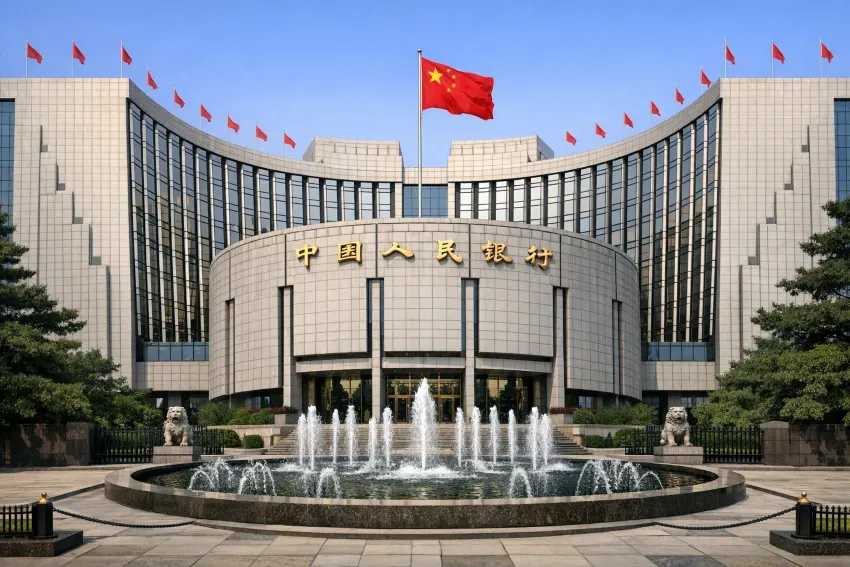
Beijing | EcoPulse24
China's foreign exchange reserves climbed to $3.399 trillion in January 2026, marking their highest point in over a decade. This growth was supported by a weakening US dollar and the Chinese central bank's prudent monetary policy, signaling Beijing's efforts to bolster its financial defenses amid global volatility and geopolitical uncertainty.
Official data showed reserves increased by $41.2 billion from December 2025, when reserves stood at $3.358 trillion. This marked the seventh consecutive monthly rise and the highest level since November 2015.
Throughout 2025, China's reserves rose in 11 out of 12 months, with a total annual increase of $155.5 billion. This reflects gradual improvement in the valuation of foreign assets denominated in dollars and other currencies, as well as more flexible reserve management.
Key drivers for the rise include a weaker US dollar, improved foreign asset valuations, and stable long-term capital flows.
In parallel, the People's Bank of China continued to increase its gold reserves for the fifteenth month in a row, as part of a diversification strategy. Gold holdings reached 74.19 million troy ounces in January 2026, up from 74.15 million ounces in December 2025. The value of these holdings surged to $369.6 billion from $319.5 billion a month earlier, reflecting both higher global gold prices and incremental purchases.
Analysis by EcoPulse24 highlights that record reserves give China greater capacity to defend the yuan, absorb global market shocks, and maintain monetary policy flexibility. Ongoing gold purchases signal a long-term hedge against geopolitical risks and a gradual move away from dollar exposure.
Much of the reserve increase stems from asset revaluation as the dollar weakens, along with rising prices of gold and non-dollar bonds. The robust reserves support yuan stability, bolster investor confidence in Chinese assets, and indirectly underpin global gold prices amid continued official demand.
January 2026 data underscores China's steady progress toward greater financial independence and external strength, leveraging dollar weakness and reserve diversification. While domestic economic challenges persist, strong reserves provide Beijing with a strategic safety margin in an uncertain global environment.
Explore Related Coverage
Sources & References
Editorial Note
Disclaimer
© 2025 EcoPulse24. All rights reserved.