Chinese Stocks Decline for Second Session Amid Rising Inflation and Diminished Stimulus Hopes
Chinese stocks fell for the second session as inflation rises, limiting stimulus hopes; Shanghai down 0.7%, Shenzhen down 0.6%.

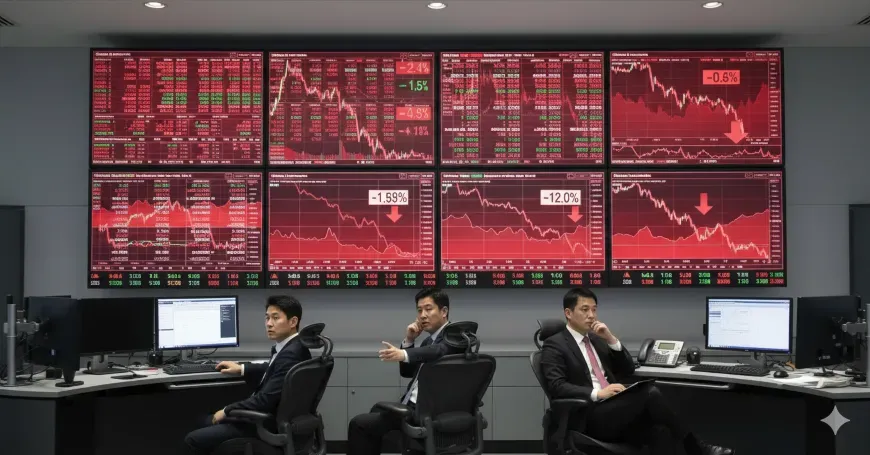
According to TradingEconomics, the Shanghai Composite Index fell by 0.7%, nearing 3,880 points during Wednesday's trading, while the Shenzhen Component Index dropped by 0.6% to 13,200 points, marking a second consecutive session of losses, as rising inflation data diminished investors' expectations for additional government support. Consumer inflation in China rose to 0.7% in November, the highest level in nearly two years, while the pace of decline in producer prices increased, reflecting ongoing mixed pressures on the economy. This price increase comes as investors seek monetary or financial easing, but accelerating inflation may limit policymakers' options. The Politburo confirmed the necessity to enhance domestic demand in 2026 during its meeting this week, yet adopted a cautious tone regarding the launch of broad stimulus packages, disappointing markets that were awaiting clearer signals towards greater support for growth. Attention now turns to the upcoming Central Economic Work Conference, where policymakers are expected to set growth targets and the economic policy plan for 2026, an event that typically serves as a roadmap for the Chinese economy for the coming year. Growth-sensitive sectors, particularly high-growth technology and renewable energy stocks, led the decline, with notable losses in: Foxconn Industrial (-4.9%), Eoptolink Technology (-2.3%), Hygon Information (-3.5%), Contemporary Amperex (CATL) (-1.3%), and Sungrow Power (-4.4%). These declines reflect the sensitivity of future-oriented sectors to shifts in economic policy and reduced risk appetite.
Sources & References
Editorial Note
Disclaimer
© 2025 EcoPulse24. All rights reserved.