Emirates Proposes Daily Berlin and Stuttgart Flights Backed by €100 Million Annual Investment
Dubai | EcoPulse24 Emirates has confirmed it is ready to launch daily services to Berlin and Stuttgart, committing more than €100 million annually in operational spending, airport fees, staffing and f

Dubai | EcoPulse24
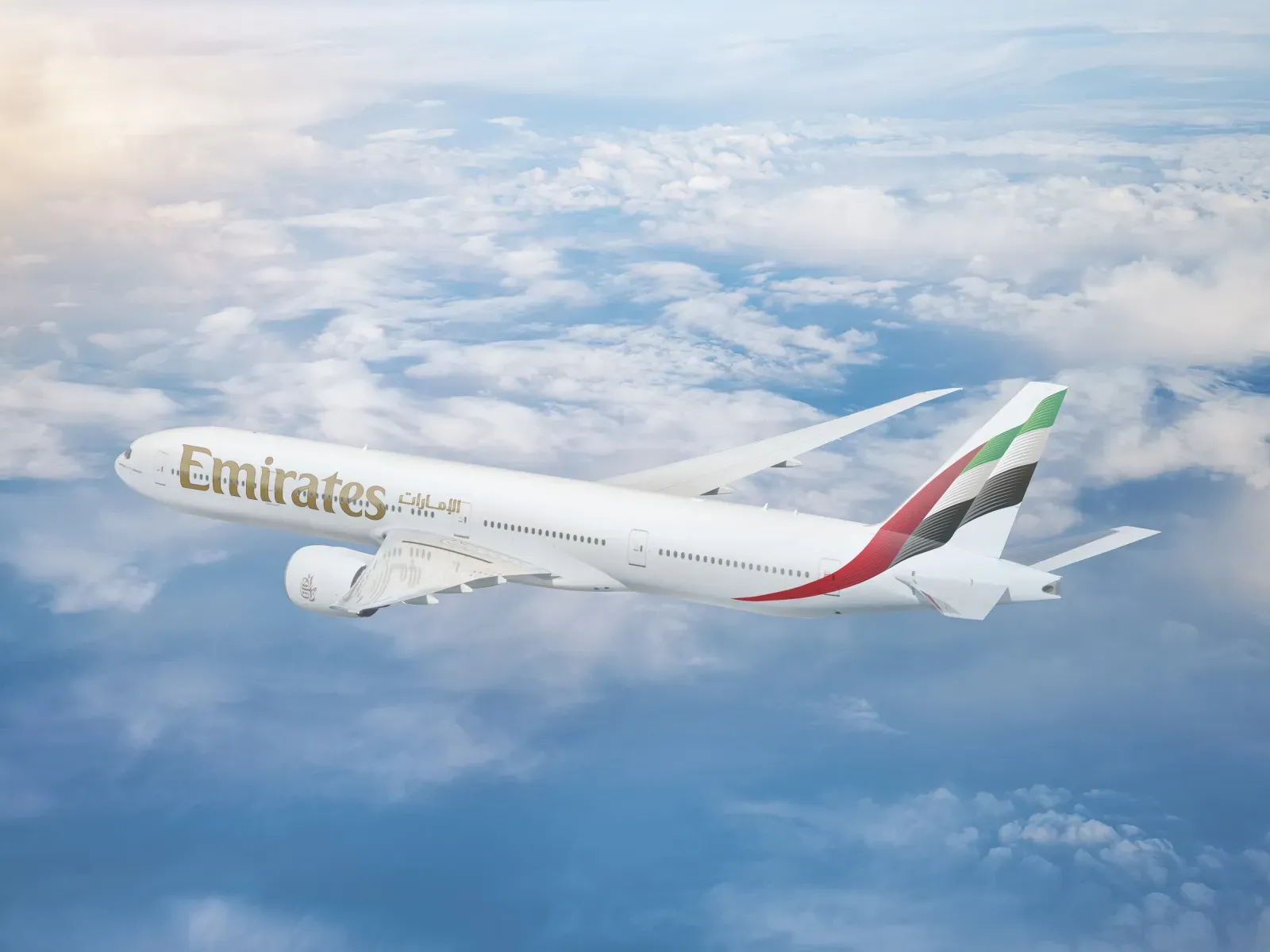
Emirates has confirmed it is ready to launch daily services to Berlin and Stuttgart, committing more than €100 million annually in operational spending, airport fees, staffing and fuel costs, subject to approval from Germany's Federal Ministry of Transport. The proposal would strengthen trade, tourism and cargo connectivity between Germany and the airline's global network through Dubai.
Emirates Seeks to Expand Germany's Long-Haul Connectivity
The proposed expansion targets two of Germany's most important economic centers, both of which Emirates argues remain underserved by long-haul international services despite their economic significance.
Berlin, home to approximately 3.9 million residents, serves as Germany's political and technology hub, while Stuttgart anchors Baden-Württemberg, one of Europe's most export-oriented industrial regions. According to industry data cited by Emirates, more than 85% of Berlin Brandenburg Airport's international connectivity remains concentrated within Europe, leaving significant room for expansion into long-haul markets.
The airline believes direct daily widebody operations could help address that gap by linking both cities to its global network spanning Asia, Africa, the Middle East and Australasia.
Dubai Continues to Strengthen Its Role as a Global Transit Hub
The proposal highlights Dubai's growing importance as a gateway between Europe and high-growth markets across emerging economies.
Emirates carried approximately 2.36 million passengers to and from Germany during 2025. Notably, around 60% of those travelers used Dubai as a transfer hub to continue onward to destinations elsewhere in the airline's network, while 40% traveled directly between Germany and Dubai.
This underscores the strategic role Dubai plays in facilitating global business travel, tourism and trade flows, particularly between Europe and rapidly expanding economies in Asia and Africa.
Cargo Capacity Could Support German Export Industries
Beyond passenger traffic, the proposal carries significant implications for freight and supply-chain connectivity.
Emirates estimates that daily Boeing 777-300ER services would add more than 280 tonnes of weekly belly-hold cargo capacity, providing additional transport options for time-sensitive goods including pharmaceuticals, industrial equipment, machinery, electronics and transportation technology components.
For Stuttgart and the wider Baden-Württemberg region, which hosts some of Germany's largest manufacturing and engineering companies, enhanced cargo connectivity could improve access to international markets and strengthen export competitiveness.
GCC Tourism Represents a Growing Economic Opportunity
Tourism is another major driver behind the proposal.
Germany recorded nearly 1.2 million overnight stays from GCC visitors in 2024, generating an estimated €2.3 billion in economic activity. The German National Tourist Board projects annual GCC visitor numbers could reach 3 million by the end of the decade.
Emirates argues that direct access through its Dubai hub would help channel a larger share of high-spending travelers toward Berlin and Stuttgart, supporting local hospitality, retail and tourism sectors.
Key Economic Metrics
| Metric | Value |
|---|---|
| Annual Emirates Investment | €100+ Million |
| Estimated Jobs Supported | ~1,000 |
| Weekly Cargo Capacity | 280+ Tonnes |
| Germany-GCC Tourism Contribution | €2.3 Billion |
| Germany Passengers Using Dubai as Transit Hub | 60% |
| Destinations Accessible via Emirates Network | 50+ |
Why the Proposal Matters for Germany's Economy
The economic case extends beyond aviation.
Business groups in Berlin have previously highlighted the need for stronger long-haul connectivity to support investment, exports and international competitiveness. A survey published by the Berlin Chamber of Commerce and Industry found that many respondents considered the city's long-haul connectivity insufficient, with Dubai ranking among the most desired destinations for expanded air links.
Improved connectivity can reduce travel friction for multinational companies, facilitate business expansion into overseas markets and strengthen access to global supply chains.
EcoPulse24 Analysis
Emirates' proposal demonstrates how aviation infrastructure increasingly functions as economic infrastructure. The value of a long-haul route today extends far beyond passenger traffic; it influences trade flows, investment activity, tourism growth and access to global markets.
The significance of the proposal lies in the role Dubai plays within the global economy. Rather than serving only as a destination, Dubai has evolved into one of the world's most important transit and connectivity hubs, linking Europe with Asia, Africa, the Middle East and Australasia through a single network.
For Germany, enhanced connectivity could strengthen export competitiveness and improve access to fast-growing markets that remain underserved by domestic carriers. The cargo component is particularly important given the central role of manufacturing and advanced industry within the German economy.
From a broader macroeconomic perspective, the proposal reflects an ongoing shift in how countries and cities compete globally. Connectivity is increasingly becoming a strategic economic asset, comparable to digital infrastructure, logistics networks and trade corridors. Cities with stronger international air links often enjoy advantages in attracting investment, talent, tourism and corporate activity.
If approved, the Berlin and Stuttgart services would not simply represent two new airline routes. They would further reinforce Dubai's position as a global economic gateway while providing Germany with additional access to international growth markets through one of the world's largest long-haul aviation networks.
Explore Related Coverage
Sources & References
Editorial Note
Disclaimer
© 2025 EcoPulse24. All rights reserved.