Emirates Restores 96% of Global Network, Reaffirming Dubai's Role as International Aviation Hub
Emirates has restored 96% of its network, reinforcing Dubai's key role as a global aviation hub after recent disruptions.

EcoPulse24 | Dubai
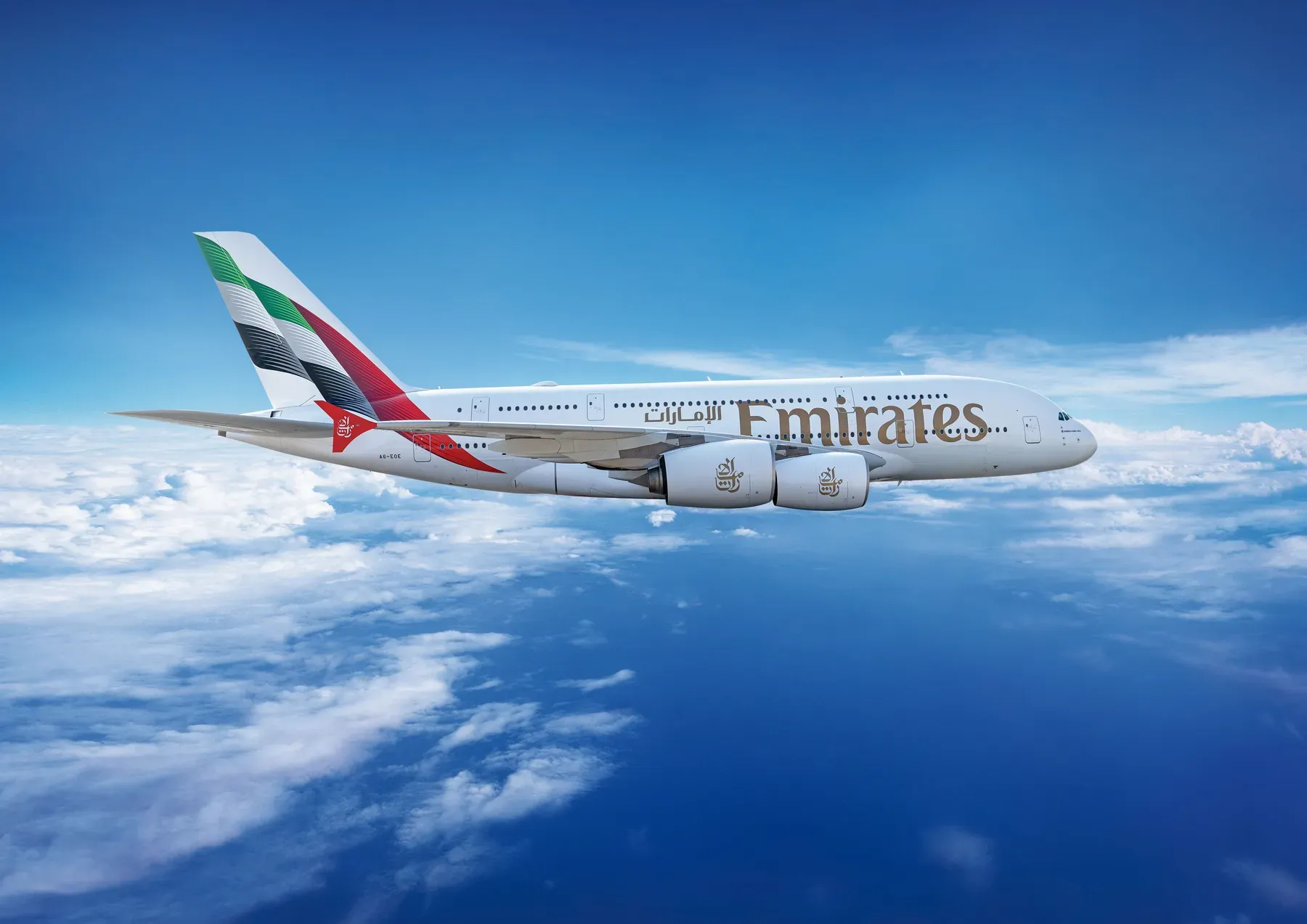
Emirates announced Monday that it has restored 96% of its global network following a period of operational disruption, marking a near-full return to service for the region's largest carrier as it reaffirms Dubai's position as an indispensable hub for international aviation.
The airline currently operates to 137 destinations across 72 countries, with more than 1,300 weekly frequencies representing 75% of its pre-disruption capacity. The recovery has been progressive and systematic, spanning all major geographic regions the airline serves.
Key Operational Figures - Source: Emirates Official Press Release, May 4, 2026
| Item | Detail |
|---|---|
| Network restored | 96% |
| Current destinations | 137 |
| Countries served | 72 |
| Weekly frequencies | Over 1,300 |
| Capacity vs pre-disruption | 75% |
| Passengers carried during disruption | 4.7 million |
| Disruption period | March 1 - April 30, 2026 |
4.7 Million Passengers Through the Crisis
Perhaps the most significant figure in Monday's announcement is the 4.7 million passengers Emirates carried between March 1 and April 30, 2026 - the full duration of the disruption period. Operating on a reduced schedule through one of the most geopolitically complex periods in the region's recent history, the airline maintained continuous operations and delivered millions of travellers to their destinations. The figure speaks to the depth of demand for international travel and the enduring trust passengers place in the carrier even under exceptional circumstances.
A Recovery Spanning Six Continents
The restoration of services has covered all major regions Emirates serves - the Americas, Europe, Africa, West Asia, the Middle East and GCC, the Far East, and Australasia. The breadth of this recovery, achieved within weeks of the disruption's peak, reflects the operational scale and resilience of an airline that has built its network around Dubai's geographic position at the crossroads of global aviation.
Dubai's Strategic Role Reaffirmed
The timing of this announcement carries broader significance. With the Strait of Hormuz still partially disrupted and regional maritime trade routes under pressure, Dubai International Airport has served as a critical alternative corridor for passengers and cargo alike. Emirates' near-full network restoration reinforces Dubai's role not merely as a transit point but as a foundational node in global connectivity - one that continues to function when other routes face uncertainty.
With more than 1,300 weekly flights now operating across 72 countries, the volume of connectivity Emirates is restoring positions Dubai as one of the few aviation hubs in the world currently operating at close to full capacity despite the regional environment.
Looking Ahead
The gap between current capacity at 75% and full pre-disruption levels represents the remaining operational challenge. Emirates has not specified a timeline for closing that gap entirely, acknowledging that the path to complete restoration depends in part on the evolution of regional conditions. What Monday's announcement confirms, however, is that the airline's recovery trajectory is firmly established - and that the 4% of the network still pending restoration is a measure of caution rather than constraint.
Sources & References
Editorial Note
Disclaimer
© 2025 EcoPulse24. All rights reserved.