Mitsubishi Bank Invests $3.2 Billion in India Amid Shift from Western Markets
Mitsubishi Bank is investing $3.2 billion in India's Shriram Finance, marking a shift towards Asian markets away from the West.

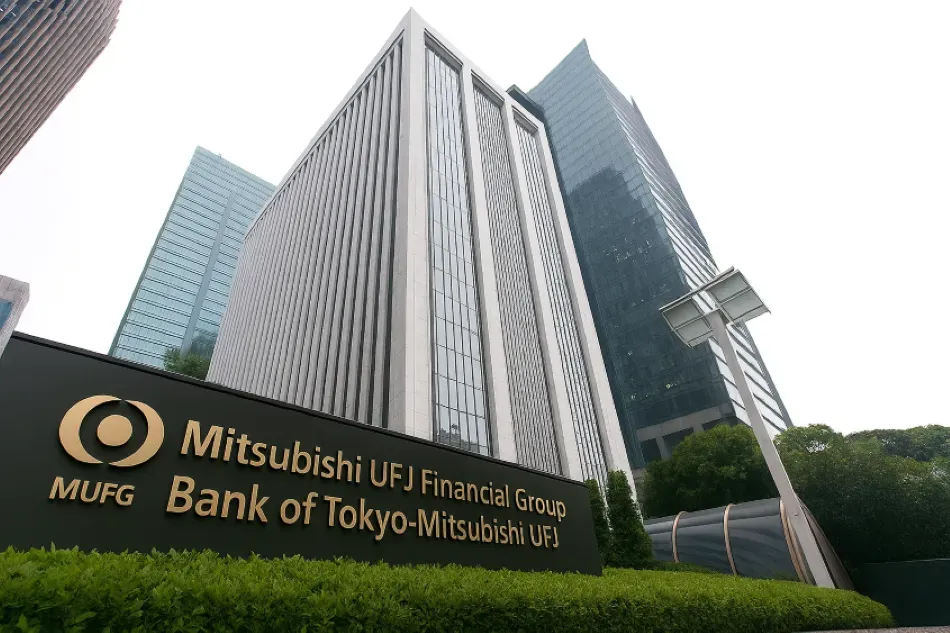
Tokyo/Mumbai - December 15, 2025 | EcoPulse24 Mitsubishi UFJ Financial Group, Japan's largest bank and one of the largest financial institutions globally, is nearing the completion of a deal to acquire nearly a 20% stake in Shriram Finance for over $3.2 billion (500 billion Japanese yen), according to sources cited by Bloomberg on Sunday.
Negotiations have reached advanced stages, and the deal may be announced as early as this week, although final details such as the price and stake size may change. Shriram Finance, listed on the Mumbai Stock Exchange and specializing in financing commercial vehicles, agricultural tractors, and loans to small and medium enterprises in urban and rural areas, has seen its stock value rise by 50% this year, bringing its market valuation to around $18 billion.
This transaction represents the latest chapter in a rising wave of Japanese investment in India, as Japan's largest banks bet on the rapid economic growth of the world's most populous nation (1.4 billion people) as an alternative to the slowing and uncertain Western markets. Earlier this year, Sumitomo Mitsui Financial Group became the largest shareholder in Yes Bank in a historic deal, having since invested nearly $5 billion in the Indian market, with plans to expand lending and increase staff. This Japanese shift reflects growing concerns about volatility in the U.S. credit market, where banks are facing pressures from rising delinquency rates on commercial real estate loans and credit cards, along with political uncertainty affecting the business environment.
The implications for the Gulf and Middle East region are multifaceted, as this deal serves as a wake-up call for Gulf financial institutions that focus most of their investments in the West. India, geographically neighboring the Gulf, offers tremendous opportunities in the financial services and infrastructure sectors, yet Gulf sovereign wealth funds have not invested at the same scale as Japan, despite close trade relations and large Indian communities in Gulf countries.
Emirati and Saudi banks, which have substantial capital surpluses, may find in the Japanese model a motivation to reassess their investment strategies towards emerging Asian markets, especially as returns in European and American markets diminish. Additionally, India represents a massive consumer market for energy and petrochemical products from the Gulf, making financial investments there a logical complement to existing trade relations.
For the United States, this wave of Japanese investment in India signals a concerning trend of declining attractiveness of the U.S. market to Asian institutional investors. Historically, Japanese banks have been among the largest investors in U.S. government bonds and commercial real estate, but fears of a potential recession, rising borrowing costs, and political instability have driven these institutions to seek alternatives in Asia. With India projected to grow economically by about 6-7% annually, an expanding middle class, and gradual financial reforms, it has become a preferred destination.
This shift may weaken the dollar in the long run and reduce available liquidity in U.S. markets at a time when Washington needs to finance its growing budget deficit. Warnings remain, as the deal has not yet been officially announced and could face delays or even collapse at the last moment, according to sources for Bloomberg.
Furthermore, despite its vast potential, the Indian market carries complex regulatory and bureaucratic risks, as well as currency fluctuations and challenges related to lending in rural areas where Shriram operates significantly. Nonetheless, the scale of the investment ($3.2 billion) and the ongoing Japanese momentum towards India indicate deep institutional confidence in the future of this market, putting pressure on regional and global competitors to catch up before entry opportunities become more costly. The message is clear: Asia is investing in Asia, and the Middle East and America need to reassess their strategic calculations.
Sources & References
Editorial Note
Disclaimer
© 2025 EcoPulse24. All rights reserved.