Pentagon-Anthropic Tensions Highlight Challenges in Military AI Regulation and Investment
Pentagon-Anthropic tensions over AI use in military highlight regulatory, ethical, and investment challenges in defense tech partnerships.

Washington | EcoPulse24
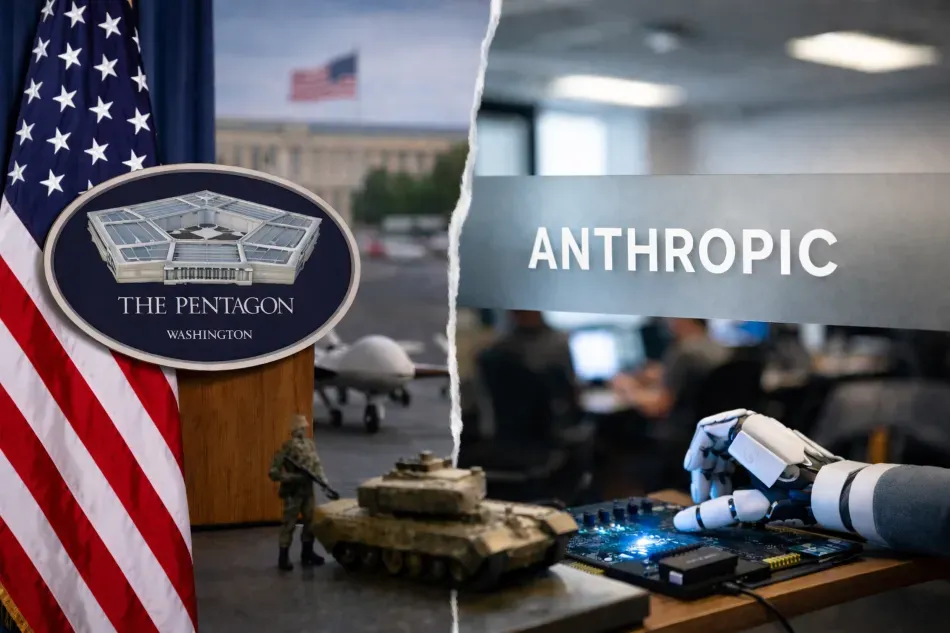
U.S. media reports indicate that the Department of Defense is reconsidering its partnership with AI firm Anthropic amid disputes about the extent to which AI models can be used in sensitive military contexts. According to Axios, citing a senior U.S. administration official, the Pentagon is pressing several leading AI companies to permit their tools for "all lawful purposes," including weapons development, intelligence gathering, and field operations.
The core of the disagreement lies in Anthropic's insistence on maintaining certain restrictions, while the Department of Defense views the current technological competition as requiring greater flexibility within legal boundaries. Negotiations have continued for months without a comprehensive agreement, prompting the Pentagon to consider options such as scaling back or ending collaboration.
This issue reflects a deeper transformation in the dynamics between AI companies and governments, especially in the defense sector - a major source of global tech spending. The U.S. allocates significant annual budgets to defense R&D, and AI is increasingly seen as a cornerstone of next-generation military systems, from intelligence analysis to supply chain management and cyber operations.
For AI companies, working with the Pentagon presents opportunities for long-term revenue growth and expanded applications, but it also raises governance, ethical, and regulatory risks. Any change in contract terms could impact company valuations and investment flows in the defense AI space.
This dispute arises amid a global race among major powers to develop AI systems for national security, heightening the stakes of regulatory decisions. The balance between innovation and oversight will shape the market in coming years, influencing government spending and public-private partnerships.
EcoPulse24 Analysis:
This development marks a clear intersection of geopolitics, economics, and technology. The Pentagon sees AI as a strategic asset in great power competition, while companies strive to protect their business models from ethical and regulatory risks that could affect investor and customer confidence. If tensions escalate, it could reshape the U.S. defense AI contracting landscape and open doors for competitors more willing to meet broad military requirements. The issue is not purely political; it carries direct financial and investment implications amid the rapidly growing global AI market and its critical role in sensitive sovereign industries.
Explore Related Coverage
Sources & References
Editorial Note
Disclaimer
© 2025 EcoPulse24. All rights reserved.