Rising Middle East Tensions and Oil Above $80 Pressure US Stocks, Fuel Global Inflation Fears
US stocks fell as Middle East tensions pushed oil above $80, raising inflation fears and prompting a shift to defensive assets.

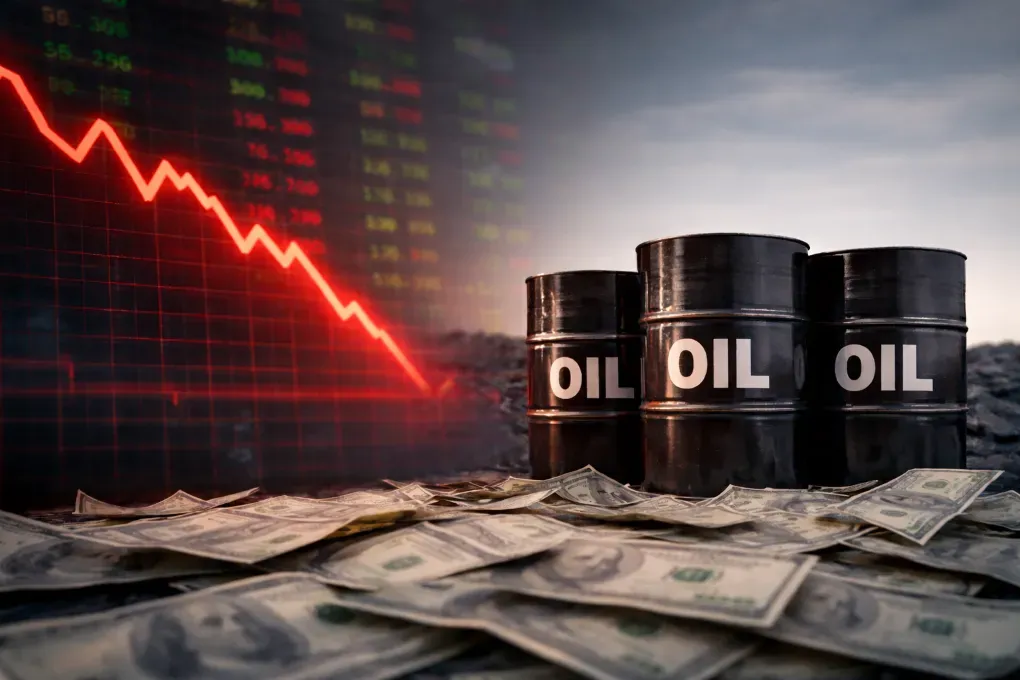
New York | EcoPulse24
US stocks came under notable selling pressure on Thursday as geopolitical risks in the Middle East escalated and global oil prices climbed, reigniting concerns over a potential global economic slowdown and renewed inflationary pressures in financial markets.
The decline followed increased tensions involving Iran and rising fears of potential disruptions to global energy supplies, especially after reports of an Iranian missile attack targeting an oil tanker. This incident heightened investor concerns about the security of shipping through the Strait of Hormuz, one of the world’s most critical energy corridors.
The Dow Jones Industrial Average ended the session down 1.8% amid broad selling of cyclical industrial stocks. The S&P 500 dropped 0.81%, while the Nasdaq Composite declined 0.61%, with varying pressures across sectors.
Industrial and basic materials stocks were the most affected, as investors reduced exposure to economically sensitive equities amid worries over supply chain disruptions and rising production costs due to higher energy prices.
Individually, Caterpillar, one of the largest US industrial firms, fell about 3.6% on growing concerns over the impact of global supply disruptions on industrial demand and capital spending.
GE Aerospace shares also declined by approximately 3.4%, as investors reassessed profit margin outlooks for industrial companies in light of higher transportation and energy costs and supply chain risks.
In the financial sector, major investment banks faced notable pressure as volatility increased in the US bond market. Goldman Sachs shares fell 3.7%, while Morgan Stanley dropped around 3% amid uncertainty over yields and monetary policy expectations.
Trading volumes were elevated as investors rotated into defensive assets and reduced exposure to cyclical stocks, with increased interest in sectors less sensitive to economic swings.
Market capitalization broadly declined among major industrial and financial companies, reflecting a repricing of risks tied to geopolitical tensions and rising energy costs.
In energy markets, West Texas Intermediate crude futures rose above $80 per barrel, driven by concerns over potential disruptions to global oil supply if tensions in the Gulf region escalate.
The Strait of Hormuz is a key chokepoint for global oil trade, with about one-fifth of global oil supplies passing through it, making any disruption a major concern for global markets.
Rising oil prices have also heightened fears of renewed inflationary pressures on the global economy, potentially prompting central banks to maintain tighter monetary policies for longer, weighing on equity valuations and increasing financial market volatility.
EcoPulse24 Analysis:
The movements in US stocks reflect the global market’s sensitivity to geopolitical developments in the Gulf, especially when coupled with rapid oil price increases. Higher energy costs exert a dual pressure on the world economy by raising production and transportation expenses and eroding consumer purchasing power. Renewed inflation concerns may complicate the US monetary policy path and delay any potential rate cuts. In this context, investors are reducing exposure to cyclical stocks and shifting to more defensive assets until the outlook for geopolitical risks and energy markets becomes clearer.
Explore Related Coverage
Sources & References
Editorial Note
Disclaimer
© 2025 EcoPulse24. All rights reserved.