Saudi Arabia Cuts Oil Production Amid Hormuz Strait Export Disruptions
Saudi Arabia cuts oil output as Hormuz Strait disruptions limit exports, raising oil prices and fueling global market volatility.

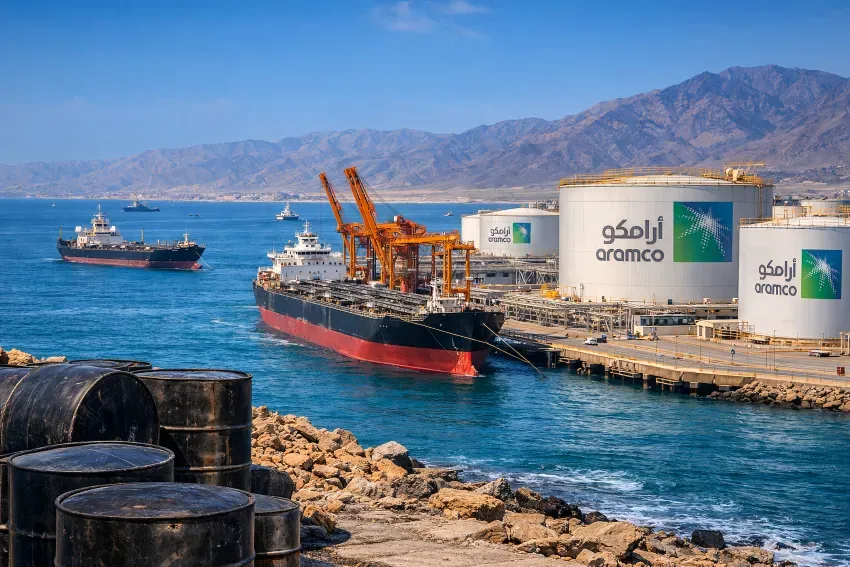
Riyadh | EcoPulse24
Saudi Arabia has started to gradually cut oil production after shipping disruptions through the Strait of Hormuz resulted in Gulf oil storage facilities reaching capacity. This move highlights the immediate impact of Middle Eastern geopolitical tensions on global energy flows.
According to Bloomberg sources, the decision follows a sharp decline in export capacity via the Strait of Hormuz - one of the world's most crucial oil shipping lanes - due to escalating military tensions and Iranian threats that have nearly halted tanker movements.
The Strait of Hormuz is the main artery for Gulf oil exports to global markets. With navigation disrupted, major producers face difficulties exporting large oil volumes, resulting in supply build-ups at storage facilities. Saudi Arabia's move follows similar actions by the UAE, Kuwait, and Iraq, all of which have begun cutting production due to shipping restrictions.
As the world's largest oil exporter, Saudi Arabia typically produces around 10 million barrels per day and exports about 7 million barrels daily. Disruptions in Hormuz have forced the Kingdom to increasingly rely on alternative routes, such as redirecting shipments to Yanbu port on the Red Sea via the East – West pipeline, which has a design capacity of 5 million barrels per day but is currently handling about 2 million barrels. However, this pipeline cannot offset the full volume usually shipped through Hormuz, necessitating production cuts.
With reduced export capability, Gulf storage facilities are filling up, prompting temporary production cuts to avoid a domestic market surplus. This marks a shift in the crisis, impacting not only oil prices but also the logistical structure of the global oil market.
Oil prices have surged sharply due to fears over disrupted Gulf exports. Brent crude recently climbed to $103.19 per barrel, up 13.52%. This spike reflects market anxiety about potential global supply shortages if Hormuz navigation constraints persist.
The Strait of Hormuz is a critical chokepoint for global oil trade, with about 20 million barrels passing through daily - roughly 25% of seaborne oil trade. Any prolonged disruption threatens significant delays or reductions in global oil exports, exerting substantial pressure on markets.
The crisis has already impacted global financial markets, with equities declining and inflation fears rising. Analysts warn that continued disruptions in Hormuz could push oil prices even higher unless solutions are found to restore normal energy flows.
EcoPulse24 Analysis:
Saudi Arabia's production cut signals a pivotal shift in the current energy crisis, moving from theoretical supply concerns to real impacts on output from the world's top oil exporter. If Hormuz disruptions persist, markets could face heightened volatility and inflation risks due to limited alternative export routes from the Gulf.
Explore Related Coverage
Sources & References
Editorial Note
Disclaimer
© 2025 EcoPulse24. All rights reserved.