Saudi Arabia's Inflation at 1.8% in January 2026, Driven by Soaring Rents; Riyadh Leads Regional Disparities
Saudi inflation rose 1.8% in Jan 2026, led by soaring rents and luxury goods; Riyadh's rate hit 3.3%, highlighting regional disparities.

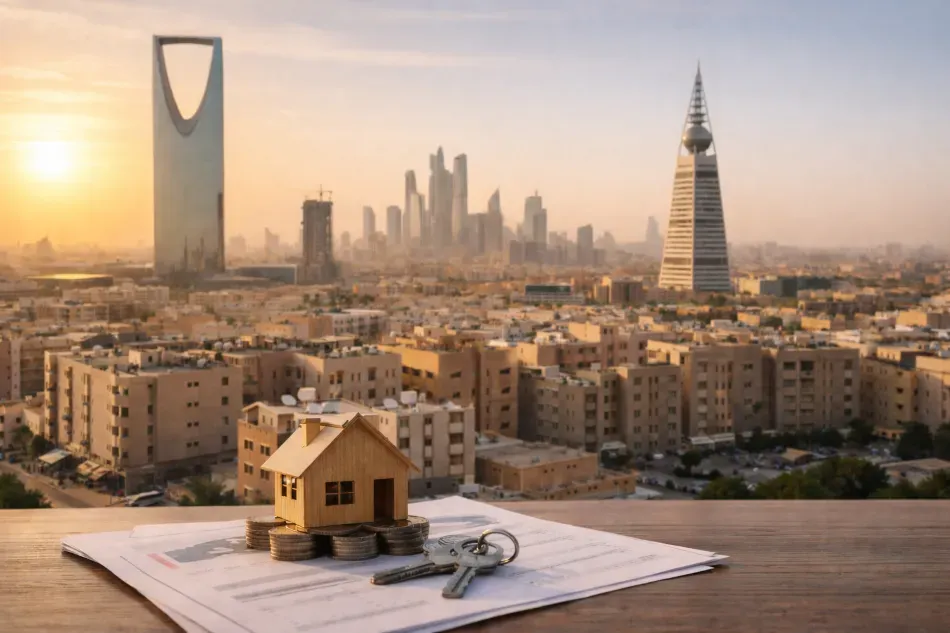
Riyadh | EcoPulse24
The General Authority for Statistics in Saudi Arabia reported that the annual consumer price index rose by 1.8% in January 2026 compared to the same month in 2025. The main driver was the housing, water, electricity, gas, and other fuels sector, which increased 4.2% year-on-year, with actual housing rents up 5.2%. This sector comprises 20.2% of the consumer basket, amplifying its impact on headline inflation.
Transport prices rose 1.5% annually, mainly due to a 6.0% increase in passenger transport services. Restaurant and accommodation services rose 1.0%. The 'personal care, social protection, and other goods and services' category led sectoral increases at 7.9%, driven by jewelry and watch prices surging 28.1%, reflecting a shift to luxury goods as a store of value.
Insurance and financial services rose 3.3%, largely due to a 5.1% increase in insurance premiums, while recreation, sports, and culture rose 2.3%, and education services rose 1.6%. Conversely, furniture and household appliances fell by 0.3%, and health prices declined slightly by 0.1%.
Regionally, Riyadh posted the highest inflation at 3.3%, well above the national average, likely due to strong demand linked to Vision 2030 projects. The Eastern Province recorded the lowest at 0.08%.
On a monthly basis, inflation increased by 0.2% in January 2026 over December 2025, led by a 0.5% rise in housing and rent. Food and beverage prices dropped 0.6% month-on-month.
The 1.8% annual inflation in January 2026 is lower than the mid-2025 peak of 2.3% but higher than January 2025's 1.6%, indicating higher price pressures at the start of 2026.
The statistics authority updated its methodology in August 2025, expanding geographic coverage and product items to 582, based on the 2023 Household Income and Expenditure Survey.
Special Economic Analysis | EcoPulse24
1. Structural Rental Crisis: The 5.2% rise in actual rents, with apartments up 6.48% and villa floors 9.55%, outpaces wage growth, eroding real incomes for many residents. This reflects a structural housing supply-demand gap driven by ongoing economic transformation and large-scale investments.
2. Riyadh's Divergence: With inflation at 3.33% in Riyadh versus 0.08% in the Eastern Province, the data indicate the emergence of two distinct regional economies - an accelerated capital city economy and more traditional regional economies. Persistent disparities could entrench cost-of-living gaps and hinder geographic wealth distribution.
3. Jewelry Price Surge: The 28.1% rise in jewelry and watch prices signals not just luxury consumption but also precautionary savings, as Saudis turn to gold as a hedge against inflation amid global uncertainties, reflecting limited confidence in traditional savings tools.
4. Inflation Outlook: While the headline rate appears moderate, core sectors like housing, transport, and insurance see sharper increases, disproportionately affecting low- and middle-income groups. Ongoing mega-projects and rising consumer demand are likely to sustain inflationary pressures above 1.5% for the foreseeable future.
Explore Related Coverage
Sources & References
Editorial Note
Disclaimer
© 2025 EcoPulse24. All rights reserved.