Saudi Arabia Signals Slower Growth in International Bond Issuance for 2026
Saudi Arabia plans slower international bond sales in 2026, focusing on fiscal discipline and private funding to cut deficit and debt growth.

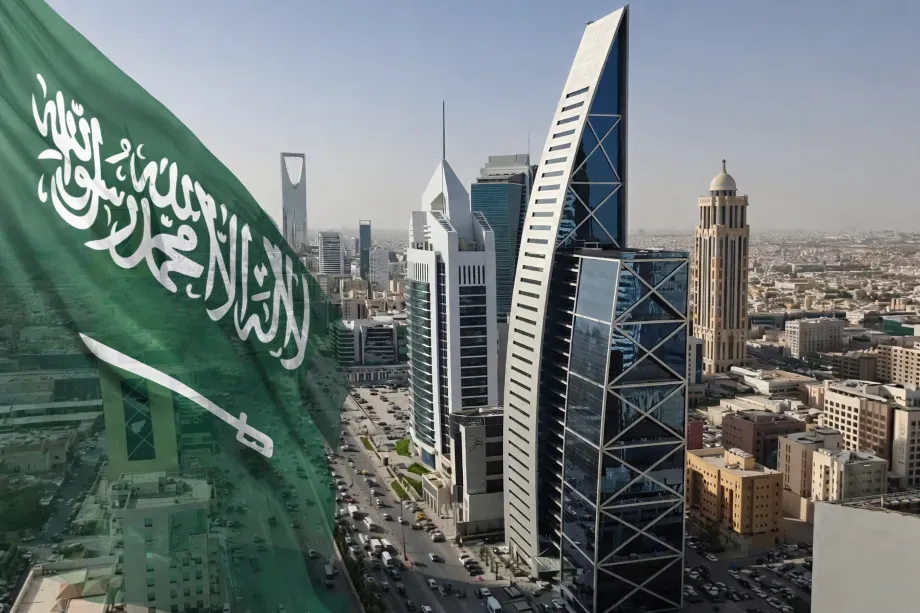
Bloomberg has reported that Saudi Arabia is set to slow the pace of international bond sales in 2026, signaling a possible end to three years of rapid borrowing that made it one of the most active sovereign issuers in emerging markets. The Ministry of Finance has approved borrowing plans for the current year equating to about $14–20 billion in international bond markets, according to the National Debt Management Center. This range is stable versus 2025’s upper limit and at its lowest since 2022 at the lower end, if the kingdom meets its stated targets.
Total funding needs are projected to fall to $58 billion from $107 billion last year, a period when the kingdom doubled its initial deficit estimate to 5.3% of GDP. The fiscal deficit is expected to shrink to 3.3% of GDP this year.
Despite these targets, Bloomberg cited global investment banks expecting Saudi Arabia may surpass its stated figures: Goldman Sachs forecasts a record $25 billion in international debt issuance for 2026, while Bank of America anticipates a stronger pivot towards diversified funding, such as syndicated loans. Historically, the government has often exceeded its economic targets, borrowing more than initially planned for 2025.
Bloomberg noted the kingdom’s widely publicized plans to continue borrowing to bridge the financial gap caused by a mix of lower oil revenues and increased spending on Crown Prince Mohammed bin Salman’s $2 trillion Vision 2030 diversification agenda. Finance Minister Mohammed Al-Jadaan recently hinted at a more cautious approach to issuance, stressing that the government is “very keen” not to flood the market. Saudi Arabia has also approved a borrowing program worth SAR 217 billion to finance the 2026 budget deficit and debt repayments.
For 2026, Saudi Arabia’s focus will be on US dollar-denominated international debt, with flexibility to issue in other currencies, according to the National Debt Management Center. However, net issuance in public dollar markets is expected to decrease as the government continues to diversify funding, including through private placements.
More than half of last year’s total funding activity came from private markets, with international sales making up less than 20%, and the remainder via domestic public markets. Similarly for 2026, the government plans to source up to 50% of its total funding needs from private markets, with the rest covered by a mix of international and domestic markets to finance the expected budget deficit and repay principal debt.
This shift comes as the kingdom faces multiple economic challenges: falling oil revenues due to global price declines, substantial spending on Vision 2030’s infrastructure and non-oil sectors, and the need to balance development financing with debt sustainability.
International investors are closely watching Saudi borrowing plans, as its bonds remain among the most attractive emerging market sovereign debt instruments due to strong credit ratings and a relatively diversified economy. A slowdown in issuance could reduce supply pressures, support current bond prices, increase competition among investors for limited offerings, and improve fiscal sustainability through more cautious debt growth.
Finance Minister Al-Jadaan has previously stated the kingdom is unafraid to cancel costly Vision 2030 projects if they lack economic viability, reflecting a more pragmatic approach to balancing massive transformation initiatives with fiscal discipline.
EcoPulse24 Analysis:
Lowering funding needs from $107 billion in 2025 to $58 billion in 2026, and reducing the budget deficit from 5.3% to 3.3% of GDP, signals a maturing approach to public finances. Fiscal tightening policies appear to be yielding results, balancing Vision 2030’s ambitious spending with sustainability. The shift toward private markets for up to 50% of funding needs is a strategic move, offering greater flexibility and potentially better terms than public issuances. This cautious approach boosts international confidence in Saudi creditworthiness and reduces the risk of unsustainable debt accumulation. Diversifying funding sources grants the Saudi economy exceptional flexibility to navigate global market volatility. While major banks like Goldman Sachs expect higher issuance, the government’s conservative plan allows it to capitalize on favorable financing opportunities without overcommitting. This pragmatic stance demonstrates the kingdom’s commitment to long-term sustainability over short-term gains.
Sources & References
Editorial Note
Disclaimer
© 2025 EcoPulse24. All rights reserved.