Sharp Surge in Oil Tanker Shipping Costs to China Amid Rising Iran-Linked Tensions
Oil tanker rates to China hit $126,000/day, highest in 2+ months, amid Iran tensions and vessel shortages, raising shipping and energy costs.

Riyadh | EcoPulse24
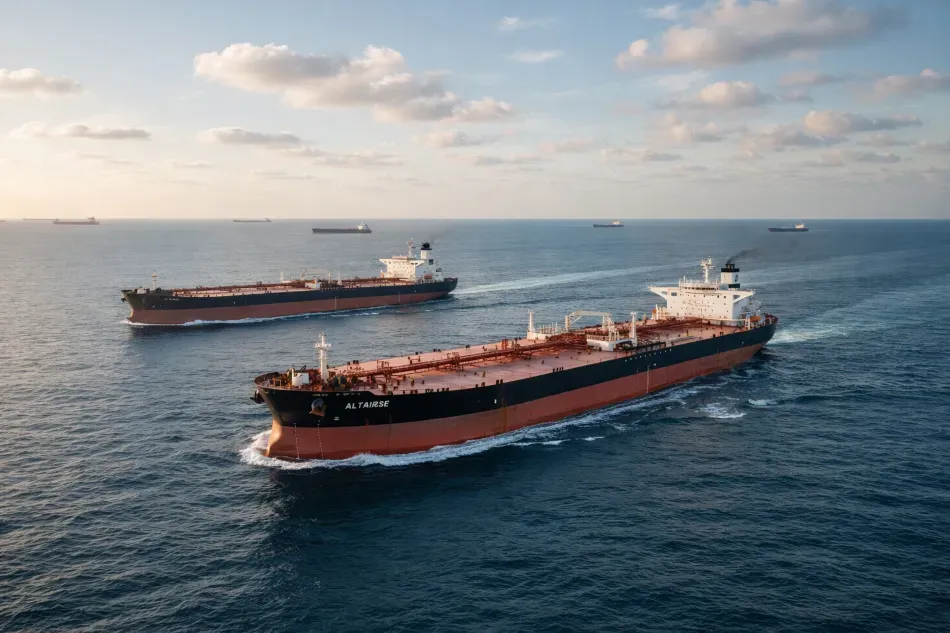
Shipping rates for oil tankers from the Middle East to China have climbed to their highest point in more than two months, driven by mounting geopolitical tensions linked to Iran and a concurrent shortage of vessels, sharply increasing maritime transport costs.
According to data from the Baltic Exchange, daily returns for a single tanker rose to around $126,000 - the highest since late November and nearly four times higher than levels at the start of the year.
Rates jumped an additional 62% on Friday as market concerns grew over the potential for US-led military action against Iran, prompting a reassessment of geopolitical risk premiums tied to energy supplies and vital shipping lanes.
Market anxiety intensified following reports that Tehran plans live-fire military exercises, alongside an official warning issued by Greece - the owner of the world’s largest oil tanker fleet - advising its ships to avoid Iranian coastal waters when transiting the Strait of Hormuz, one of the world’s most crucial oil corridors.
EcoPulse24 Analysis
The sharp rise in oil tanker shipping rates underscores the renewed importance of geopolitics as a primary driver of energy costs - not just crude prices. The Strait of Hormuz is a vital artery for global oil exports, and any related tension is immediately reflected in risk premiums for shipping and insurance markets.
The increase to $126,000 per day signals that the market is pricing in more than a passing disturbance; it anticipates possible real disruptions to supply chains, particularly given limited tanker availability and growing Asian demand, especially from China. This situation pressures Asian refinery margins and could later impact final product prices.
If escalation continues or navigation warnings widen, pressure could shift from shipping to the oil market itself via higher transport and insurance costs, reshuffling supply-demand balances in the first quarter and increasing market sensitivity to any security developments in the Gulf.
Explore Related Coverage
Sources & References
Editorial Note
Disclaimer
© 2025 EcoPulse24. All rights reserved.