Trump Announces Agreements with 9 Major Pharmaceutical Companies to Lower Prices
Trump signs deals with 9 pharma firms to lower drug prices, exempting them from tariffs for 3 years, aiming to make US prices competitive.

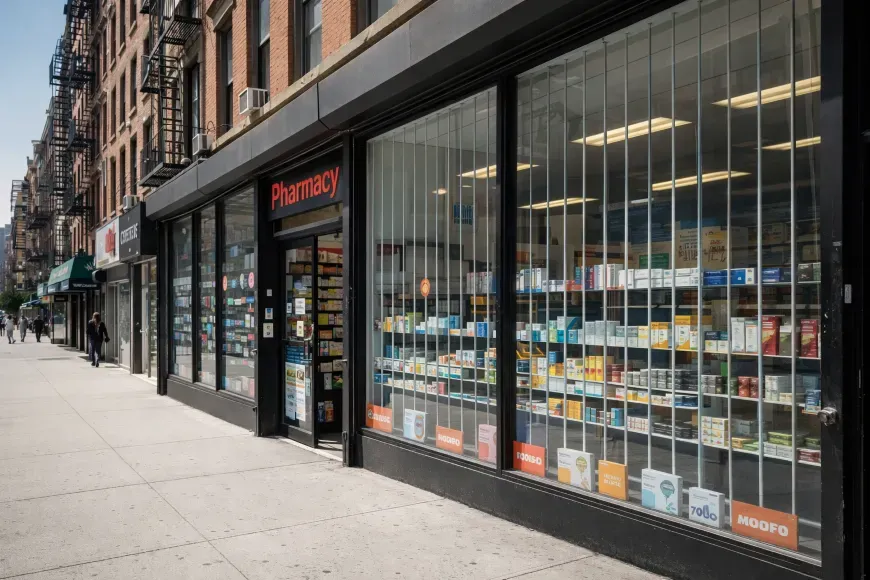
Washington - EcoPulse24
On Friday, President Donald Trump announced the signing of agreements with nine major pharmaceutical companies to lower drug prices in exchange for a three-year exemption from tariffs. He described the move as one that would make "American drug prices among the lowest in the developed world."
14 Out of 17 Companies Sign Agreements
With these new deals, the number of signed companies rises to 14 out of 17 targeted by Trump last summer. The signatories include Genentech (a subsidiary of Roche Holding AG), Novartis AG, Bristol-Myers Squibb, Gilead Sciences, Boehringer Ingelheim, Amgen, GSK Plc, Sanofi, and Merck & Co, in addition to previous agreements with Pfizer and AstraZeneca.
Three companies are still negotiating: AbbVie Inc, Johnson & Johnson, and Regeneron Pharmaceuticals, all of which have confirmed talks with the White House.
Terms of the U.S. Agreements
The companies commit to three main terms:
- Lower drug prices for Medicaid.
- Direct sales of reduced-price drugs to consumers through the planned "TrumpRx" platform.
- Offer new drugs at the same prices in the U.S. as abroad.
Notable Drugs Included in Price Reductions:
Bristol-Myers Squibb will provide the drug Eliquis (apixaban) free for the Medicaid program.
Gilead Sciences will reduce the price of Epclusa (hepatitis C treatment) from $25,000 to less than $2,500 via the TrumpRx platform.
Sanofi will offer insulin products (Lantus and Toujeo) at reduced prices via the platform.
Merck & Co received an expedited review from the FDA for two promising drugs, shortening the review period from 10-12 months to one or two months.
Same Companies Dominate the Gulf Market
The companies signing with Trump dominate the pharmaceutical market in the Gulf Cooperation Council (GCC) countries, valued at over $12 billion and expected to exceed this figure by 2030. The Saudi market alone represents over 60% of the GCC market, valued at approximately $11.8 billion.
Signatory Companies and Their Presence in the Gulf:
Novartis AG: Signed a strategic agreement with Saudi Arabia in 2024 to invest in cell and gene therapy and technology transfer, projected to add $857 million to the Saudi GDP. Notable products in the region include Gilenya and Entresto.
Pfizer: A major player in the Saudi and UAE markets, with a strong presence in vaccines and innovative drugs. Notable products include Lipitor, Viagra, and Paxlovid.
Merck & Co: A strategic partner with Julphar in the UAE, winning an award together in 2018. Notable products include Keytruda and Januvia.
GSK Plc: Signed an agreement with Saudi Arabia in 2024 to enhance healthcare and life sciences, with joint projects in local manufacturing. Notable products include Ventolin and Advair.
Amgen: A key player in the Gulf biopharmaceutical market. Notable products include Enbrel, Neulasta, and Prolia.
Bristol-Myers Squibb: Dominates the Saudi market with investments in clinical research. Notable products include Eliquis and Opdivo.
Gilead Sciences: Specializes in hepatitis C treatment, prevalent in the region. Notable products include Epclusa, Harvoni, and Truvada.
Sanofi: Long-standing presence in the Gulf market, specializing in insulin and diabetes treatment. Notable products include Lantus, Toujeo, and Plavix.
Roche/Genentech: A giant in the Saudi market, specializing in cancer treatment and biopharmaceuticals. Notable products include Herceptin, Avastin, and Rituxan.
AstraZeneca: Opened a sustainable office in Dubai Science Park in September 2023. Notable products include Crestor, Farxiga, and Symbicort.
Negotiating Companies and Their Gulf Presence:
AbbVie Inc: Partnered with Abu Dhabi's health authority in June 2023 for clinical research and personalized medicine. Notable products include Humira and Rinvoq.
Johnson & Johnson: A major player in the Gulf market with a strong presence in pharmaceuticals and medical devices. Notable products include Stelara, Darzalex, and Remicade.
Regeneron Pharmaceuticals: Present in the specialty pharmaceuticals sector. Notable products include Eylea and Dupixent.
Rapidly Growing Gulf Market
The Gulf pharmaceutical market is witnessing a compound annual growth rate of 7.2%, driven by several factors:
- Rising prevalence of chronic diseases: diabetes, cardiovascular diseases, cancer, osteoporosis.
- Increased government spending on healthcare as part of Vision 2030.
- Mandatory health insurance in most GCC countries.
- Improved healthcare infrastructure: medical cities like King Abdullah Medical City and Dubai Healthcare City.
Imported drugs account for about 85% of the total Gulf market, with multinational companies, particularly the American and European firms signing with Trump, holding the largest market share.
Fastest Growing Pharmaceutical Sectors in the Gulf:
- Diabetes medications: due to the highest global prevalence rates.
- Oncology drugs: rapid growth with improved early diagnosis.
- Biologics & biosimilars.
- Cardiovascular drugs.
Threat to Insurers Shakes Markets
In a notable development, Trump announced his intention to call a meeting with insurance companies to pressure them to lower prices, leading to an immediate drop in shares of the health insurance sector: UnitedHealth Group, Elevance Health, and CVS Health all lost their daily gains.
The AHIP association (representing the sector) responded that premiums reflect actual medical care costs and that profit margins and administrative expenses are legally regulated.
This move follows sharp increases in insurance premiums across the Affordable Care Act (Obamacare) markets, after Trump and Republicans refused to extend subsidies that alleviated burdens on citizens.
Sources & References
Editorial Note
Disclaimer
Please review the Terms & Conditions.
© 2025 EcoPulse24. All rights reserved.