U.S. Emergency Order Keeps Coal Plant Running in Washington Amid Electricity Shortage Fears
U.S. issues emergency order to keep a coal plant in Washington running to prevent electricity shortages during severe weather.

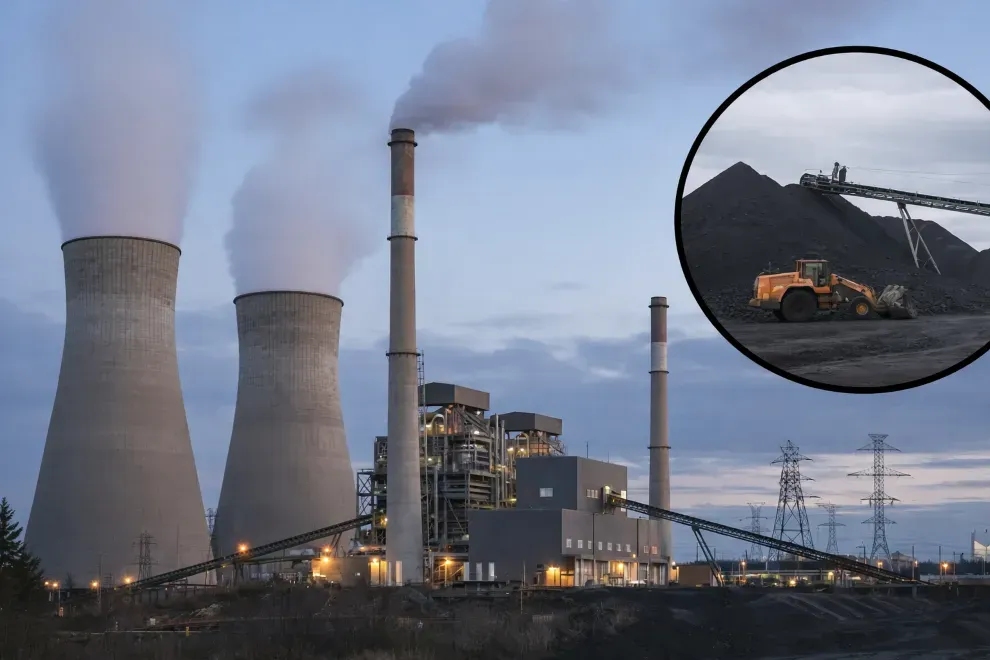
Washington – U.S. Energy and Markets
The U.S. government has issued an emergency order to keep a coal-fired power plant in Washington operational past its scheduled closure at the end of the year, aimed at avoiding potential electricity shortages during severe weather conditions.
According to the decision from the U.S. Department of Energy, Canadian company TransAlta will be required to continue operating the last remaining unit at the Centralia power plant, based on a technical assessment by the North American Electric Reliability Corporation (NERC), which concluded that the region could face energy deficits during prolonged cold spells.
Government Justifications
U.S. Energy Secretary Chris Wright stated that the administration will continue to use emergency powers to ensure electricity price stability and maintain essential generation sources, emphasizing that reliance on coal remains necessary in some areas to ensure energy security.
He added that keeping the plants operational provides the electrical grid with greater flexibility in meeting demand fluctuations, especially during harsh winters.
Operator's Position
For its part, TransAlta announced that it is currently evaluating the decision and will coordinate with federal authorities and the Washington state government regarding next steps. The company had previously indicated plans to transition the affected unit from coal to natural gas by 2028.
Recurring Precedent
This decision marks the third time the Trump administration has resorted to emergency orders to keep fossil fuel power plants operational beyond their retirement dates, following similar actions taken for plants in Michigan and Pennsylvania.
Environmental Criticism
The decision has sparked criticism from environmental groups, who argue that the administration is using emergency powers out of context to bypass standard regulatory and legal processes.
Earthjustice stated that maintaining old coal plants could lead to increased electricity bills and harm public health, asserting that these steps hinder the transition to cleaner, more sustainable energy sources.
Broader Implications
The decision reflects the ongoing tension within the United States between:
- Energy security and grid stability
- Transitioning to clean energy and reducing emissions
It also highlights the challenges facing electricity grids amid rising demand and weather fluctuations, as the country seeks to balance reliance on traditional fuels while accelerating the energy transition.
Sources & References
Editorial Note
Disclaimer
Please review the Terms & Conditions.
© 2025 EcoPulse24. All rights reserved.