US 10-Year Treasury Yield Climbs Toward 4.42% as Trump Questions Iran Ceasefire Durability
US 10-year Treasury yield rose to 4.42% as Middle East tensions, oil prices, and inflation concerns suggest rates may stay high longer.

Washington | EcoPulse24
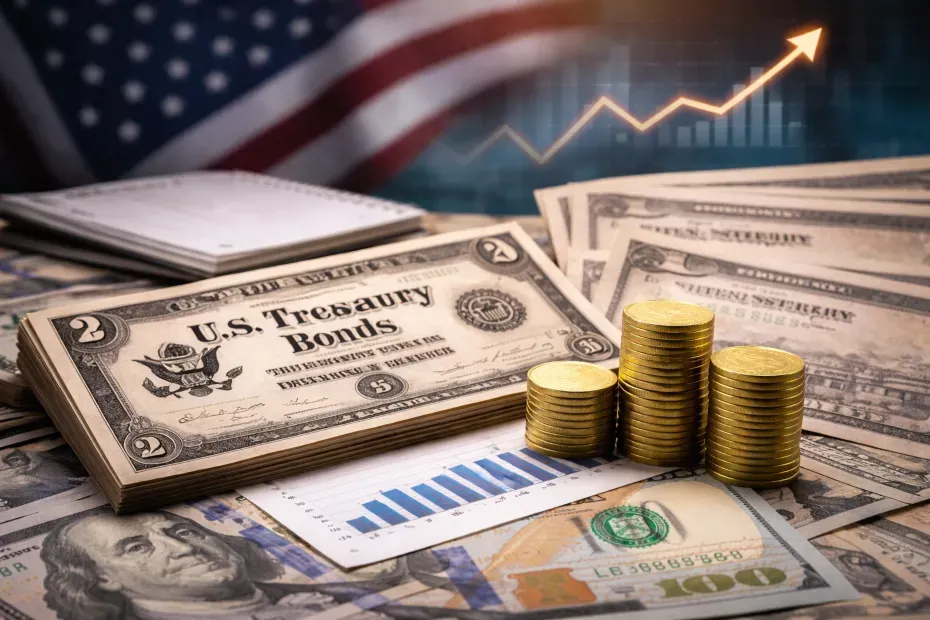
The yield on the US 10-year Treasury note climbed to around 4.42% on Tuesday, reaching its highest level in roughly a week as geopolitical tensions in the Middle East reignited inflation concerns and strengthened expectations that US interest rates could remain elevated for longer.
According to what was reported, investor sentiment shifted after President Donald Trump cast doubt on the durability of the US-Iran ceasefire, rejecting Tehran’s latest response to a proposed peace framework and raising concerns that the conflict could intensify again in the coming days.
Reports also indicated that Trump is expected to meet with members of his national security team to evaluate scenarios tied to a possible resumption of military operations, while US officials are also considering renewed plans to escort commercial vessels through the Strait of Hormuz following continued security threats in the region.
The renewed uncertainty around the Strait of Hormuz - one of the world’s most critical energy shipping corridors - has kept oil prices elevated, adding fresh pressure to global inflation expectations. Brent crude and WTI futures remained near multi-month highs as traders monitored disruptions to shipping activity and risks to energy supply flows across the Gulf region.
Higher oil prices have become a central factor behind the latest rise in Treasury yields, as investors increasingly believe the Federal Reserve may need to maintain restrictive monetary policy for a longer period to prevent energy-driven inflation from feeding into broader consumer prices.
Market participants are now closely watching the upcoming US consumer inflation report for April, which is expected to provide additional insight into how geopolitical tensions and higher energy costs are affecting inflation dynamics across the US economy.
The Federal Reserve is widely expected to leave the federal funds rate unchanged through the remainder of the year, although traders continue to reassess the timing and scale of any future rate cuts depending on inflation trends and geopolitical developments.
The move higher in Treasury yields also reflected reduced demand for safe-haven government bonds as markets priced in stronger inflation risks and a potentially more hawkish interest-rate environment.
Rising yields typically increase borrowing costs across the economy and can pressure equity valuations, particularly in growth and technology sectors that are more sensitive to higher discount rates.
At the same time, the combination of elevated oil prices, geopolitical uncertainty, and persistent inflation concerns continues to shape global market sentiment, with investors balancing expectations for stable US monetary policy against the risk of further escalation in the Middle East.
EcoPulse24 Analysis:
The Treasury market is increasingly treating the Middle East conflict as an inflation event rather than a temporary geopolitical shock. As long as crude oil remains elevated and shipping risks persist in the Strait of Hormuz, bond markets are likely to maintain pressure on long-duration yields while reinforcing the “higher-for-longer” interest-rate narrative dominating global markets.
Explore Related Coverage
Sources & References
Editorial Note
Disclaimer
© 2025 EcoPulse24. All rights reserved.