US Dollar Strengthens Against Global Currencies Amid Waning Confidence in Tight Monetary Policies Abroad
US dollar rises as global currencies weaken on US economic strength, rate cut expectations abroad, and diverging monetary policies.

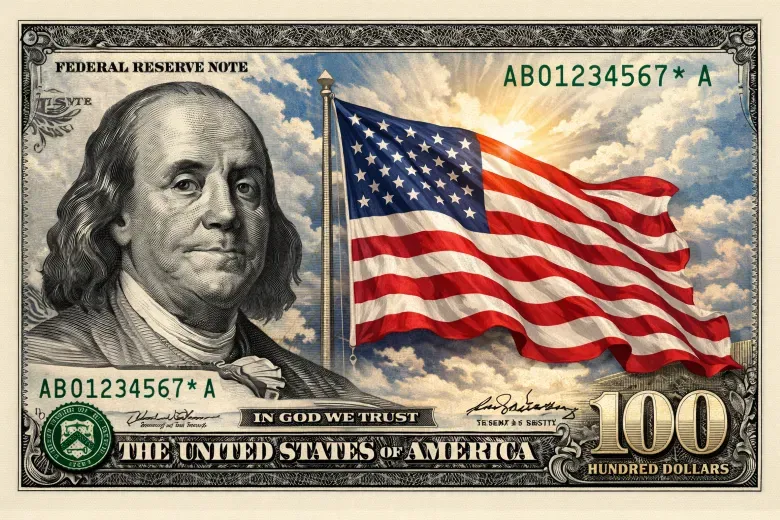
New York | EcoPulse24
Currency markets have shown a clear tilt in favor of the US dollar, with widening losses in several major and emerging market currencies. This trend is fueled by the dollar's resilience and anticipation of upcoming US employment data and Federal Reserve policy signals.
In Canada, the loonie dropped to its lowest level in a month as interest rate differentials narrowed following signs of labor market weakness. Unemployment rose to 6.8% from 6.5% previously, amid a strong increase in labor force participation, reducing the likelihood of further tightening by the Bank of Canada. Slower wage growth and declining energy export prospects added pressure on the currency.
The Japanese yen continued to weaken, hitting a seven-week low, affected by the dollar's global strength despite some improvement in local indicators. The Bank of Japan faces a delicate balance between weak real wages and persistent inflation, limiting the currency's ability to benefit from positive domestic data.
In emerging Asia, the Indonesian rupiah extended its decline for a sixth consecutive session, nearing its lowest level since late April, pressured by a strong US dollar, expectations of further local monetary easing, declining consumer confidence, and a widening fiscal deficit.
Conversely, the offshore Chinese yuan posted modest gains, supported by inflation data showing slight improvement in consumer prices and a slower decline in producer prices, as the central bank maintains policies supportive of growth and liquidity.
On a daily performance basis, the US dollar stood out as the strongest currency, while the South Korean won and Japanese yen recorded the most pronounced losses. The euro and British pound remained largely unchanged.
Analysis
These currency movements highlight the growing divergence between a relatively resilient US economy and other economies facing slowdown or monetary easing. This environment enhances the dollar's appeal as a temporary safe haven and keeps pressure on currencies linked to rate cut expectations or weaker growth, pending clearer signals on the global monetary policy trajectory.
Explore Related Coverage
Sources & References
Editorial Note
Disclaimer
© 2025 EcoPulse24. All rights reserved.