US threatens 50% tariffs on China over Iran support as tensions expand beyond energy into trade
US threatens 50% tariffs on all Chinese exports if China aids Iran militarily, escalating tensions from energy to global trade.

Washington | EcoPulse24
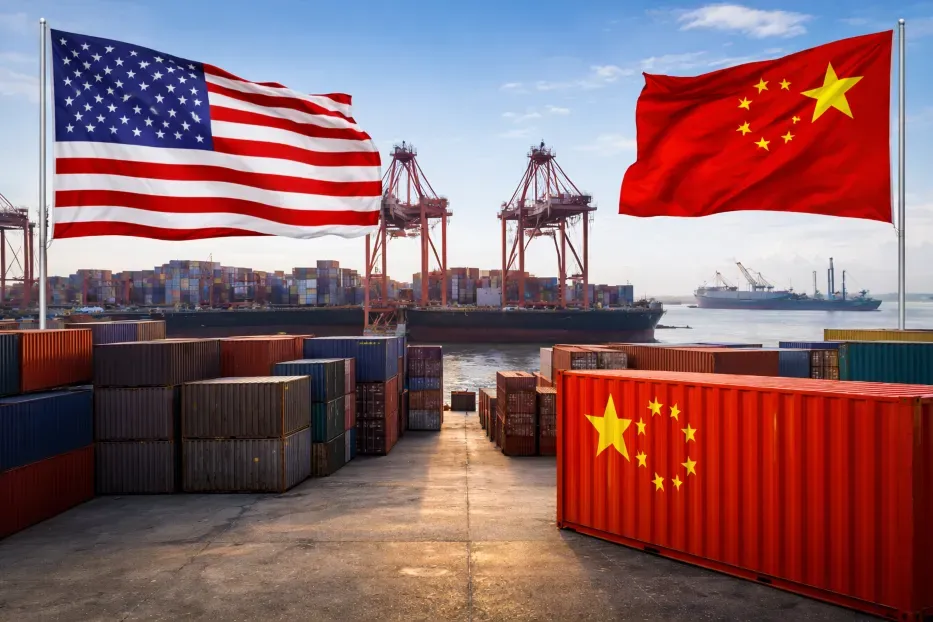
US President Donald Trump has warned that China could face tariffs of up to 50% on all exports to the United States if it is found to be providing military support to Iran, marking a significant escalation that extends geopolitical tensions into the global trade arena.
The statement clarifies an earlier warning that any country supplying military equipment to Iran would be subject to immediate economic penalties, with no exemptions or exclusions. The threat signals a potential shift from targeted sanctions toward broad-based trade measures affecting entire economies.
The move comes after the collapse of recent negotiations between the United States and Iran, which failed to produce an agreement on key issues including the nuclear program and regional security. The breakdown has intensified pressure tactics from Washington, now combining military positioning, energy disruption, and trade policy.
China has denied supplying arms to Iran, but the warning highlights rising scrutiny over Beijing’s role in the evolving conflict landscape, particularly given its economic and energy ties with Tehran.
The potential imposition of sweeping tariffs would represent a major escalation in US-China relations, with implications far beyond the Middle East. Such a measure could disrupt global trade flows, impact supply chains, and add further volatility to already strained markets.
EcoPulse24 Analysis
This development signals a clear expansion of the conflict from a regional energy crisis into a broader economic confrontation. The use of tariffs as a geopolitical tool reflects a shift toward integrating trade policy into strategic pressure mechanisms.
The targeting of China is particularly significant. As one of the largest consumers of energy and a key global manufacturing hub, China sits at the intersection of supply chains, commodity flows, and geopolitical alignment. Any attempt to impose sweeping tariffs would not only affect bilateral trade but could ripple across global markets.
The strategy appears to be aimed at isolating Iran by increasing the cost of external support, while simultaneously pressuring major economies to align with US policy. However, this approach carries risks. Escalating trade tensions with China could trigger retaliatory measures, further fragmenting global trade and increasing uncertainty for businesses and investors.
At a broader level, the situation reflects a convergence of geopolitical, energy, and economic risks. Markets are no longer dealing with isolated shocks, but with interconnected pressures that amplify each other across commodities, trade, and financial systems.
Explore Related Coverage
Sources & References
Editorial Note
Disclaimer
© 2025 EcoPulse24. All rights reserved.