Washington Lowers Tariffs on Indian Goods as New Delhi Pledges to Halt Russian Oil Purchases
US cuts tariffs on Indian goods as India pledges to stop buying Russian oil, boosting US exports and reshaping global energy trade.

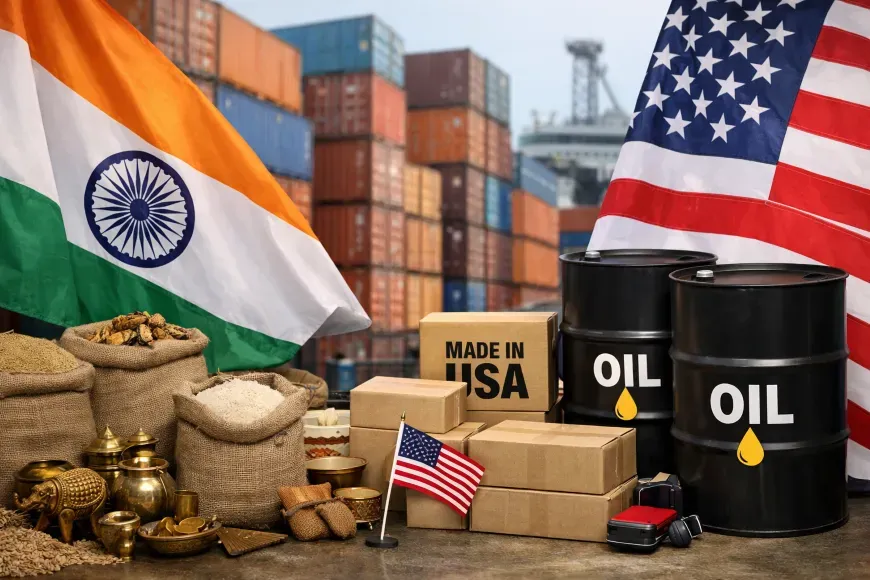
Washington | EcoPulse24
U.S. President Donald Trump has announced a new trade understanding with India, under which the United States will reduce additional tariffs on Indian imports from 25% to 18%. In exchange, Indian Prime Minister Narendra Modi has committed to halting purchases of Russian crude oil, highlighting the intersection of U.S. trade policy and geopolitical considerations in global energy markets.
According to Trump, following a phone call with Modi, India agreed to realign its trade and energy policies in line with U.S. interests. The agreement also includes an Indian commitment to reduce tariffs and non-tariff barriers on American exports, aiming to bring them to near-zero levels.
Trump noted that the deal goes beyond tariff arrangements, with India pledging to purchase over $500 billion in American goods, covering energy, technology, agriculture, coal, and other products. This broadens the economic partnership between the two countries beyond traditional trade.
Trump described the agreement as a 'trade deal' motivated by 'friendship and respect' for Prime Minister Modi, stating it takes effect immediately and will further strengthen U.S.-India relations. The Indian government has yet to release details on implementation, but the reference to Russian oil underscores the political dimension of the deal.
This development comes amid heightened sensitivity in global energy markets to policy decisions affecting supply, especially as oil prices have declined in recent sessions, with pressure on both WTI and Brent crude. India's commitment to halt Russian oil purchases could redirect a significant share of global demand, as India has been a major importer of Russian oil.
The agreement reflects the U.S. strategy of leveraging trade and tariffs as political tools to reshape energy flows and reduce global reliance on Russian oil, while boosting American exports of strategic goods. This strengthens the U.S. position as an alternative supplier in markets historically dependent on low-cost Russian supplies.
EcoPulse24 Analysis:
The U.S.-India agreement marks a notable shift in using trade policy as a geopolitical lever, directly tying tariff reductions to energy sourcing decisions. Washington aims to redirect global oil flows to serve its broader strategy against Russia, while opening vast new markets for U.S. exports. In the medium term, this deal could redistribute oil demand, affecting prices and supply balances, especially if India fully halts Russian crude purchases. It also enhances the U.S. role in Asian energy markets, as political factors increasingly influence global pricing of strategic commodities.
Explore Related Coverage
Sources & References
Editorial Note
Disclaimer
© 2025 EcoPulse24. All rights reserved.