Yuan Declines Near 7 Per Dollar as China's Central Bank Reaffirms Currency Stability
Yuan nears 7 per dollar as China's central bank signals stability, curbing rapid gains; up 4.1% in 2025, largest rise since 2020.

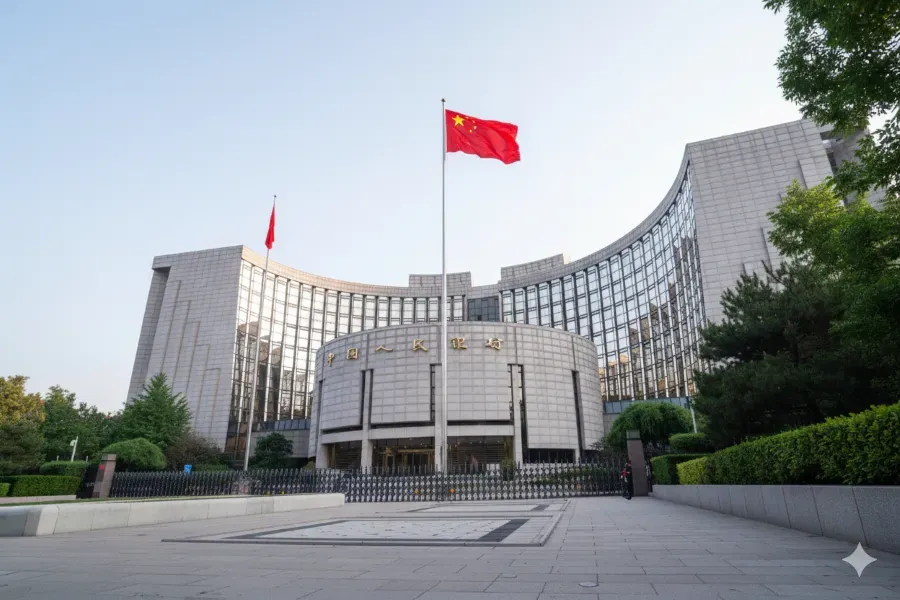
Beijing | EcoPulse24
The offshore Chinese yuan weakened to near 7 per US dollar during Monday trading, retreating from its highest level in about 15 months. This decline came as investors turned cautious following clear signals from the People’s Bank of China (PBOC) to curb rapid, one-sided moves in the currency market.
The PBOC set its daily midpoint rate slightly weaker than market forecasts, a move traders saw as a direct message to contain the yuan’s excessive strength. Meanwhile, official media warned against betting on a one-way appreciation of the yuan, reiterating the authorities’ commitment to maintaining stability in the foreign exchange market.
Analysts noted that seasonal foreign currency inflows and increased demand ahead of year-end settlements had supported the yuan’s recent upward trend. However, the pressure for further appreciation is expected to gradually subside as these settlements conclude, explaining the current moderation in gains.
Despite near-term caution, global investor expectations still point to ongoing yuan momentum through 2026, with forecasts suggesting a potential retest of the 7-per-dollar level. Authorities remain committed to stability and preventing sharp currency swings.
So far in 2025, the yuan has gained more than 4.1% against the US dollar, on track for its biggest annual rise since 2020. This performance is underpinned by improved capital inflows and balanced monetary policy, despite central bank interventions to moderate the pace.
The currency’s current performance reflects a mix of long-term structural support and short-term cautious management, as Beijing seeks broader financial stability without allowing sharp moves that could impact export competitiveness or capital flows.
Sources & References
Editorial Note
Disclaimer
© 2025 EcoPulse24. All rights reserved.