Egyptian Pound Holds Near 53.67 as PMI Hits Fastest Contraction Since January 2023
Egypt's pound holds at 53.67/USD as PMI hits lowest since Jan 2023; S&P forecasts further depreciation amid economic headwinds.

EcoPulse24 | Dubai
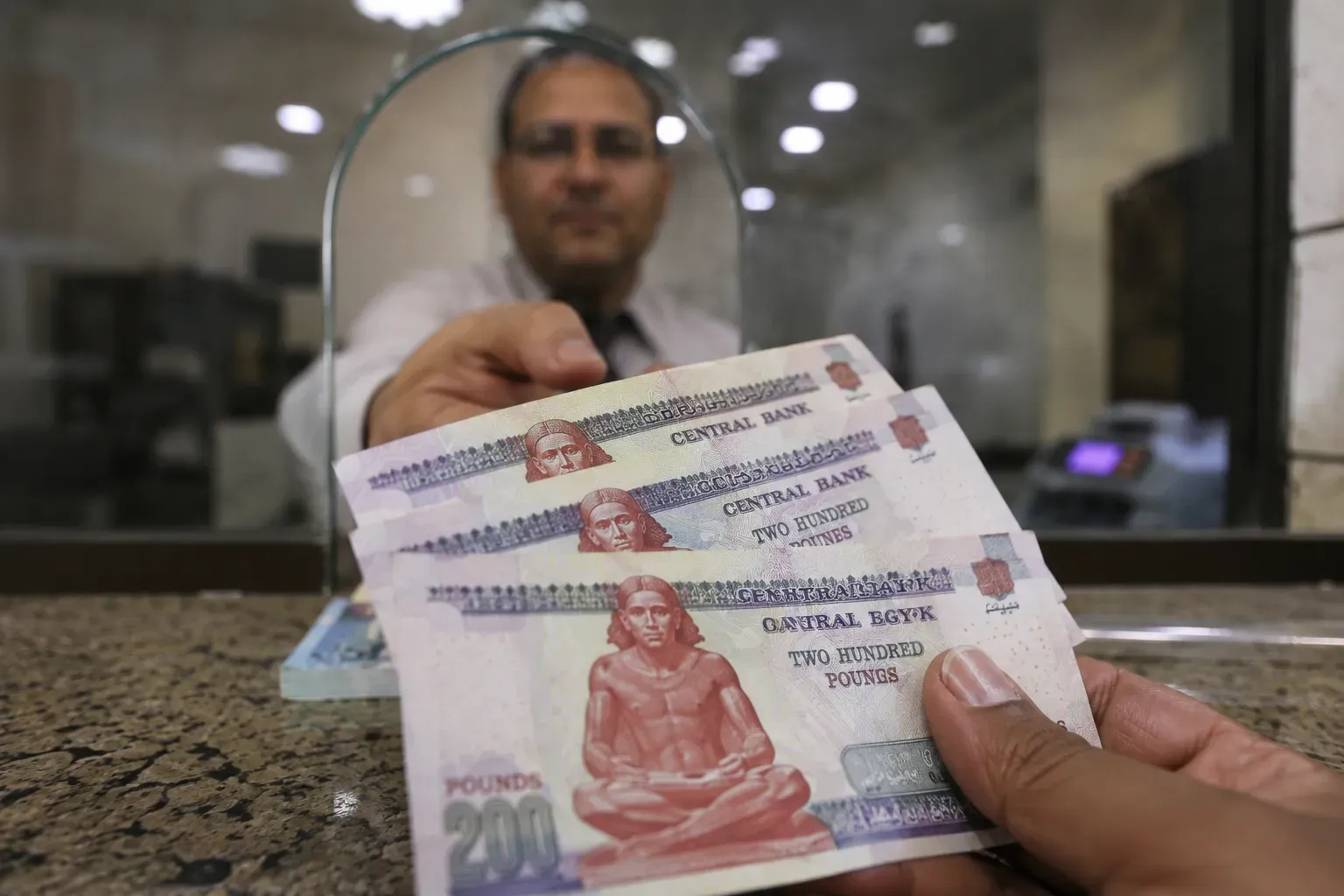
The Egyptian pound opened Wednesday in relative stability against the US dollar, holding near Tuesday's closing levels as the currency approached the 54-pound threshold - while data released by S&P Global showed the country's non-oil private sector contracting at its fastest pace in more than two years.
The combination of currency pressure and deteriorating business conditions underscores the economic headwinds Egypt faces as it navigates rising import costs, IMF reform commitments, and the broader fallout from regional tensions following the Iran war.
PMI Signals Accelerating Contraction
Egypt's non-oil private sector PMI fell to 46.6 in April 2026, down from 48.0 in March, registering the fastest pace of contraction since January 2023, according to S&P Global data. Any reading below 50 indicates deteriorating business conditions. The decline reflects weakening demand and output amid rising costs, with inflationary pressures intensifying on the back of regional conflict spillovers and higher energy prices.
The reading follows a similar pattern to the UAE's PMI data published earlier this week, though Egypt's contraction is sharper and more broad-based, reflecting a more acute exposure to energy import costs and currency depreciation risk.
Currency Outlook: S&P Sees Further Weakness
Standard & Poor's has projected continued depreciation in the Egyptian pound against the dollar, forecasting the exchange rate to reach approximately 55 pounds per dollar by the end of the current fiscal year, rising to 60 pounds by the end of the following fiscal year, then to approximately 63 pounds by June 2028 and 66 pounds by June 2029.
The trajectory of the pound over the coming period depends on several factors including foreign portfolio investment flows, global interest rate developments, and the evolution of regional tensions.
Analysis
The confluence of a weakening PMI, a depreciating currency, a $4.9 billion monthly trade deficit, and IMF pressure to reduce bread subsidies - which currently cost Egypt $3.3 billion annually - creates a challenging policy environment with limited room for maneuver. The government's push for wheat self-sufficiency by 2028, reported Tuesday, is directly linked to this currency dynamic: every tonne of imported wheat purchased at a weakening exchange rate adds to the import bill and widens the trade gap.
The question for Egypt in the coming months is whether the $8 billion IMF package agreed in March 2024 provides sufficient runway to manage these pressures before the pound reaches levels that materially erode household purchasing power beyond politically manageable limits.
Exchange Rates - Egypt | May 6, 2026
| Bank | USD Buy | USD Sell |
|---|---|---|
| Central Bank of Egypt | 53.67 | 53.77 |
| National Bank of Egypt | 53.67 | 53.77 |
| Bank of Egypt | 53.67 | 53.77 |
| CIB | 53.67 | 53.77 |
| Bank of Alexandria | 53.60 | 53.70 |
| Abu Dhabi Islamic Bank Egypt | 53.69 | 53.79 |
| Currency | Bank | Buy | Sell |
|---|---|---|---|
| Saudi Riyal | National Bank of Egypt | 14.26 | 14.33 |
| Saudi Riyal | Abu Dhabi Islamic Bank | 14.31 | 14.33 |
| UAE Dirham | National Bank of Egypt | 14.60 | 14.64 |
| UAE Dirham | Abu Dhabi Islamic Bank | 14.62 | 14.65 |
| S&P Forecast | USD/EGP |
|---|---|
| End of current fiscal year | ~55 |
| End of next fiscal year | ~60 |
| June 2028 | ~63 |
| June 2029 | ~66 |
Sources & References
Editorial Note
Disclaimer
© 2025 EcoPulse24. All rights reserved.