Eurozone ZEW Sentiment Hits 11 - Month Low at - 8.5 as Middle East Conflict Hammers Outlook
Eurozone ZEW economic sentiment fell 47.9 points to - 8.5 in March 2026, the lowest in 11 months, as Middle East conflict weighs on outlook.

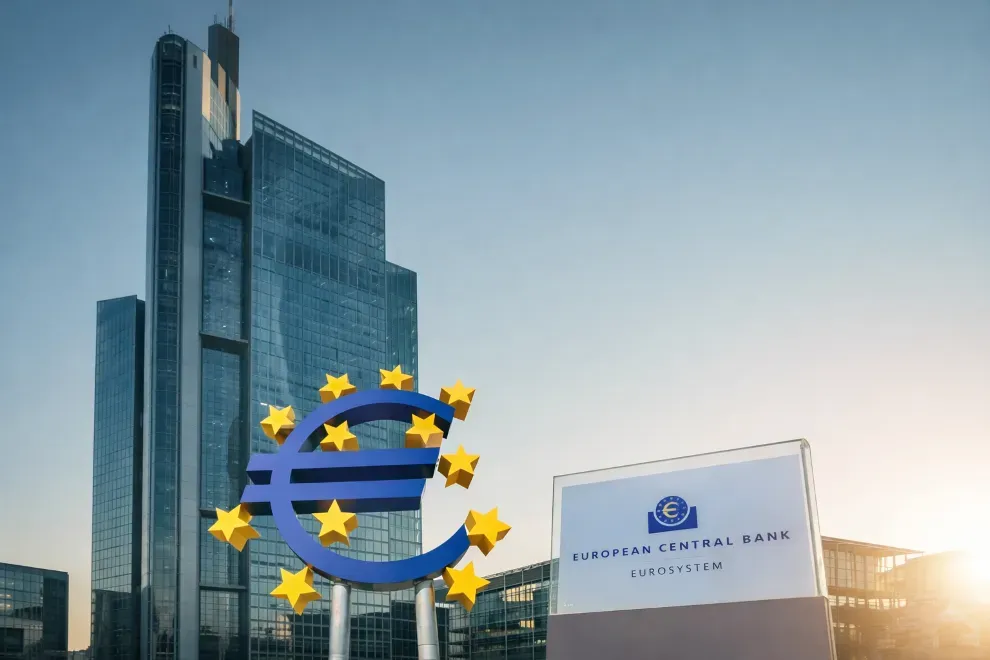
EcoPulse24 | Frankfurt
The ZEW Indicator of Economic Sentiment for the Eurozone fell sharply by 47.9 points to - 8.5 in March 2026, the lowest reading in 11 months, well below market expectations of 24.0, as financial analysts cited the escalating Middle East conflict as the primary drag on the outlook, according to the ZEW Institute.
Germany's ZEW Indicator, the flagship measure of the series, collapsed even more dramatically, plummeting 58.8 points to - 0.5 in March from 58.3 in February. This marks the third - largest monthly decline in the indicator's history, following a 65.6 - point drop in April 2025 after US tariff announcements, and a 93.6 - point fall in March 2022 following Russia's invasion of Ukraine.
Middle East Conflict as the Key Driver
The ZEW survey, which polled financial market experts across Germany and Europe, attributed the deterioration primarily to the ongoing conflict in the Middle East, which entered its third week on Tuesday. The hostilities have driven energy prices sharply higher, with Brent crude oil trading near $104 per barrel and heating oil futures at their highest levels since June 2022. These elevated prices are feeding through to inflation expectations across Europe, complicating the policy outlook for the European Central Bank.
In March, 44.1% of surveyed analysts expected no change in economic activity, while 32.2% anticipated a deterioration and 23.7% foresaw improvement - a sharp reversal from the optimistic readings seen in January and February when markets were pricing in continued disinflation and ECB easing.
ECB Policy Implications
The sharp deterioration in sentiment comes just days before the European Central Bank's policy meeting on Thursday, where interest rates are widely expected to remain unchanged. Crucially, financial markets have repriced their ECB expectations dramatically in recent weeks: money markets now fully anticipate a rate hike by July 2026, with an 85% probability of a second increase by December. This represents a significant shift from expectations at the start of the year, when investors were pricing in rate cuts.
ECB President Christine Lagarde is expected to address how the bank plans to shield the eurozone from inflationary pressures linked to the conflict. The central bank faces a difficult balancing act between containing energy - driven inflation and avoiding a policy tightening that could tip an already - fragile growth recovery into contraction.
Germany's Current Situation Index
Germany's assessment of the current economic situation showed a modest improvement, with the current conditions index rising 3.0 points to - 62.9 - a positive surprise against expectations of - 67.3. However, this improvement in current conditions contrasts sharply with the collapse in forward - looking expectations, suggesting that businesses are holding up in the near term but growing increasingly concerned about the months ahead. Germany entered 2026 with fragile growth momentum, and the ZEW data confirms that the conflict has introduced a new layer of downside risk to the recovery.
EcoPulse24 Analysis
EcoPulse24 Analysis: The collapse in Eurozone ZEW sentiment reflects a broader repricing of economic risk across developed markets as the Middle East conflict enters its third week. For the Gulf region, the ECB's evolving policy stance matters directly: a shift toward monetary tightening in Europe could strengthen the euro against the dollar, affect Gulf sovereign debt pricing, and alter capital flow dynamics between emerging and developed markets. The key variable to watch this week is the Federal Reserve's rate decision on Wednesday and whether Chair Powell signals a pause in easing or a more hawkish tilt in response to elevated energy prices. ECB and Fed guidance this week will be critical inputs for Gulf market participants managing global exposure.
Sources & References
Editorial Note
Disclaimer
© 2025 EcoPulse24. All rights reserved.