Gold jumps above $4,800 as ceasefire drives oil collapse and reshapes inflation outlook
Gold jumps above $4,800 as a ceasefire eases oil prices and inflation fears, shifting market focus to policy expectations and stability.

New York | EcoPulse24
Gold rises as ceasefire shifts market focus from energy shock to policy expectations
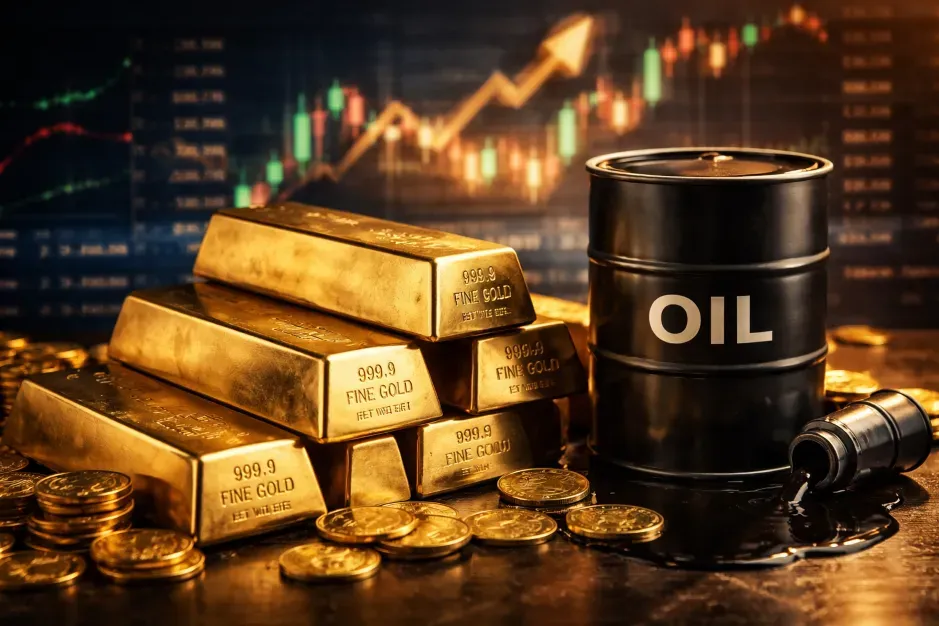
Gold prices surged more than 2% to above $4,800 per ounce, extending gains as a two-week ceasefire framework reduced immediate geopolitical risk and triggered a sharp reversal in energy markets.
The rally follows President Donald Trump’s decision to delay planned strikes on Iranian infrastructure and pursue negotiations, alongside Iran’s agreement to reopen the Strait of Hormuz temporarily, easing fears of a prolonged supply disruption.
This geopolitical shift led to a steep drop in oil prices, with WTI crude falling more than 15% below $95 per barrel, as markets rapidly unwound the risk premium tied to potential supply constraints across one of the world’s most critical energy chokepoints.
The decline in energy prices is directly feeding into gold’s rebound, as easing inflation expectations reduce pressure on central banks to maintain aggressive tightening, improving the appeal of non-yielding assets like gold.
The move comes after gold had fallen as much as 25% from peak levels during the height of the conflict, when surging oil prices reinforced inflation fears and supported a more hawkish global monetary policy outlook.
Markets are now repositioning around a different macro scenario, where de-escalation lowers energy-driven inflation risks while reopening the path for more stable financial conditions.
Gold and oil market reaction snapshot
The following reflects the immediate market repricing following ceasefire signals:
| Asset | Level | 24h Change |
|---|---|---|
| Gold | $4,800+ | +2% |
| WTI Crude | <$95 | −15% |
| Brent Crude | ~$95 | −14% |
EcoPulse24 Analysis
The current market reaction highlights a rapid transition from a geopolitically driven inflation shock to a de-escalation-driven normalization phase. Oil markets are unwinding the embedded risk premium that had built up around supply disruption fears, particularly tied to the Strait of Hormuz, which acts as a central artery for global energy flows.
Gold’s rebound reflects this shift in expectations. While the metal typically benefits from geopolitical uncertainty, the dominant driver in this cycle has been inflation expectations and central bank policy trajectories. As energy prices surged, gold initially faced pressure from rising yields and tighter policy expectations. Now, with oil collapsing, that pressure is reversing.
This dynamic underscores a structural relationship between energy prices and monetary policy expectations. Lower oil prices reduce inflation risks, which in turn weakens the case for prolonged tightening, supporting gold through lower real yields and improved liquidity conditions.
At a broader level, markets are demonstrating how quickly macro narratives can rotate. Within days, the dominant theme has shifted from “Energy Crisis escalation” to “Geopolitical de-escalation and inflation relief,” forcing a rapid repricing across commodities, currencies, and rates.
However, the temporary nature of the ceasefire introduces fragility into this new equilibrium. Any breakdown in negotiations or renewed disruption in the Strait of Hormuz could quickly reintroduce volatility, reversing the current trend and restoring upward pressure on energy and inflation.
Ultimately, the current move is less about a stable resolution and more about a pause in escalation, meaning markets remain highly sensitive to headlines, with gold and oil positioned at the center of this evolving macro cycle.
Sources & References
Editorial Note
Disclaimer
© 2025 EcoPulse24. All rights reserved.