WTI Climbs Above $98 as Iran Hits Energy Infrastructure; India Negotiates Hormuz Passage for Six Tankers
WTI crude rose above $98 on Tuesday as Iran escalated attacks on Gulf energy infrastructure while India secured transit talks for six tankers.

EcoPulse24 | Dubai
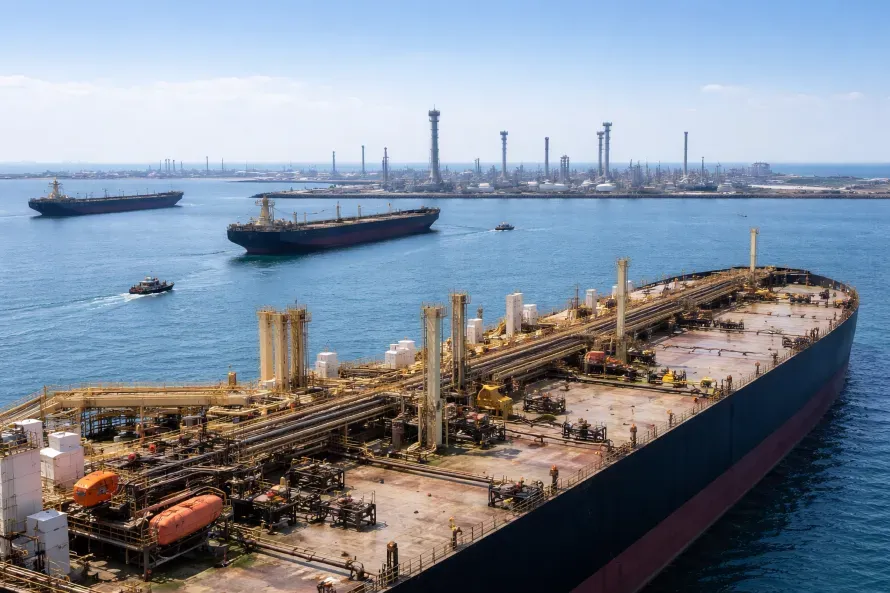
WTI crude futures climbed above $98 per barrel on Tuesday as Iran escalated attacks on energy infrastructure across the Gulf region, while India emerged as an active back-channel negotiator securing safe passage for six additional oil tankers through the Strait of Hormuz. The gains extended Monday's rebound after the US benchmark had tumbled more than 5% following the safe transit of several vessels over the weekend.
Iran Strikes Escalate Across Energy Infrastructure
Iran has intensified its campaign against oil and gas installations in the region, raising concerns among traders that physical supply disruptions could deepen even as diplomatic channels remain active. US Treasury Secretary Scott Bessent confirmed that Washington is allowing Iran to continue shipping its own crude through the Strait of Hormuz, a move that has introduced a degree of ambiguity into the market's supply calculus. President Donald Trump has separately called on allied nations to contribute to securing safe commercial passage through the waterway, though most major powers have so far resisted committing military assets to the effort.
India Emerges as Key Diplomatic Actor
India has taken a prominent role in bilateral negotiations aimed at securing Hormuz transit rights, with New Delhi reportedly coordinating with Tehran to facilitate the passage of six oil tankers that are among the world's largest importers of Iranian crude. Analysts note that India's participation adds a significant diplomatic dimension to the crisis, potentially creating a framework that other Asian importers including Japan and South Korea could leverage. India's trade deficit widened sharply to $27.10 billion in February, with higher freight costs and Gulf shipping disruptions already biting into import economics.
Market Dynamics and Price Outlook
The WTI benchmark now trades significantly above the $95 level seen earlier this week when Hormuz transit relief briefly dominated sentiment. Brent crude has pushed past $102 per barrel, according to live market data. Oil market participants are weighing two competing narratives: a steady reopening of Hormuz that could bring relief, against renewed Iranian attacks that could close the waterway more severely. Heating oil futures rose toward $4.0 per gallon alongside crude, reflecting continued physical tightness in refined products. Meanwhile, the International Energy Agency has signaled readiness to release strategic reserves if global supply disruptions worsen.
Gulf Energy Sector Impact
GCC producers including Saudi Arabia and the UAE have so far maintained production levels, though the escalating conflict near Gulf waters has introduced new operational risk premiums into contracts. Shipping insurers have substantially raised war-risk premiums for vessels transiting the Gulf, adding to the effective cost of crude delivery to Asian buyers. Energy analysts expect Gulf states to continue calling for a diplomatic resolution while managing their own exposure to supply chain disruption through diversified export routes including the East-West pipeline and the UAE's Fujairah terminal.
EcoPulse24 Analysis
EcoPulse24 Analysis: The rebound in WTI above $98 signals that markets remain deeply skeptical about a near-term resolution to the Hormuz crisis, even as diplomatic channels multiply. India's role as a negotiating intermediary is particularly significant, potentially creating a template for safe passage that could ease the most severe supply disruption fears. However, with Iran continuing to target Gulf energy infrastructure, any sustained price relief remains hostage to geopolitical developments. For GCC producers and their Asian customers, the critical variable is whether back-channel negotiations can translate into durable transit guarantees - a question that markets are currently pricing with a risk premium approaching $10-15 per barrel above pre-conflict levels. Investors should monitor Friday's OPEC+ output data and any US-Iran direct communications developments as the key near-term catalysts.
Sources & References
Editorial Note
Disclaimer
© 2025 EcoPulse24. All rights reserved.