22 Countries Issue Joint Statement, Express Readiness to Secure Strait of Hormuz
22 nations vow to secure Strait of Hormuz, condemn attacks on shipping, and support energy market stability amid rising regional tensions.

EcoPulse24 | Abu Dhabi
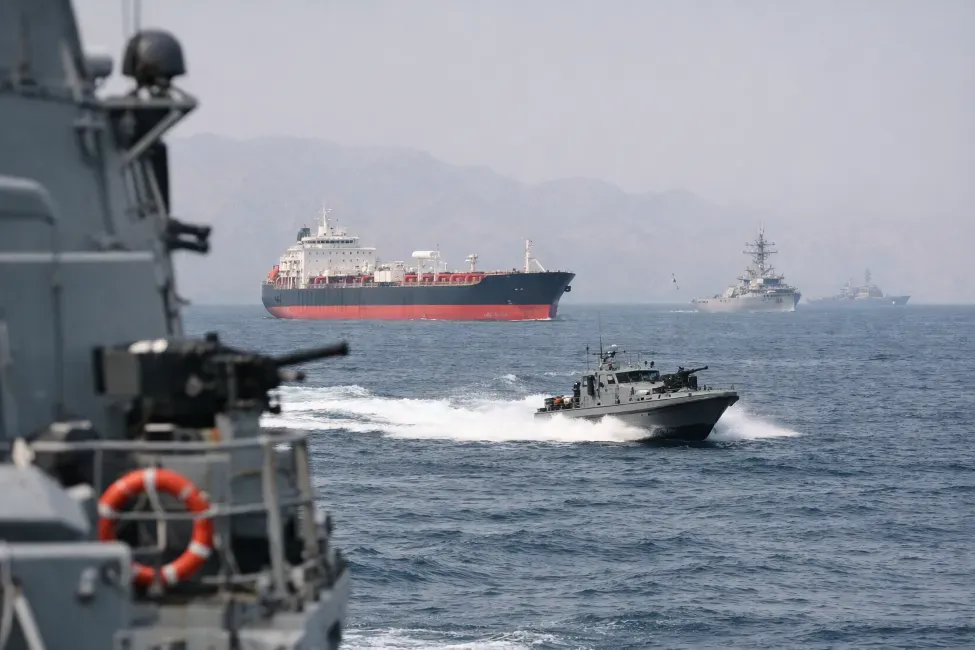
A coalition of 22 countries, including the United Arab Emirates and Bahrain, published a joint statement via the UAE’s official news agency (WAM), announcing their readiness to contribute to efforts for safe passage through the Strait of Hormuz. The statement condemned attacks on unarmed commercial vessels and civilian infrastructure, notably oil and gas facilities.
Signatories to the statement, in addition to the UAE and Bahrain, include the United Kingdom, France, Germany, Italy, the Netherlands, Japan, Canada, South Korea, New Zealand, Denmark, Latvia, Slovenia, Estonia, Norway, Sweden, Finland, Czech Republic, Romania, and Lithuania-representing a broad spectrum of continents and economic blocs.
The statement stressed that freedom of navigation is a core principle of international law, including the United Nations Convention on the Law of the Sea, and called for compliance with UN Security Council Resolution 2817. It warned that interference with global shipping and energy supply chains poses a threat to international peace and security, urging an immediate halt to attacks on civilian infrastructure.
Expressing deep concern over escalating regional conflict, the statement called for an immediate end to all activities negatively impacting freedom of navigation, such as mining, drone and missile attacks, and other attempts to disrupt commercial shipping. Such actions, it noted, would affect people worldwide, especially the most vulnerable.
The signatories expressed readiness to contribute to appropriate efforts to ensure safe passage through the strait and welcomed the commitment of countries involved in preparatory planning. They also supported the International Energy Agency’s decision to coordinate the release of strategic oil reserves, indicating further steps would be taken to stabilize energy markets, including cooperation with producing nations to boost output. The statement highlighted the need for support to the most affected countries through the UN and international financial institutions.
The Strait of Hormuz is a critical energy corridor, with a significant share of Gulf oil and liquefied natural gas exports passing through to Asia, Europe, and the Americas. With Brent crude exceeding $106 per barrel and West Texas Intermediate nearing $98, efforts to restore navigation freedom are of global economic importance. The IEA’s release of 400 million barrels from strategic reserves has so far had limited impact due to reduced tanker movements.
The statement emphasized that maritime security and freedom of navigation benefit all nations, urging the international community to respect international law and uphold the foundations of prosperity and security. The joint action comes as concerns mount over the long-term impact of shipping disruptions on global supply chains, particularly for energy-importing countries in Asia, Africa, and Europe reliant on the strait.
EcoPulse24 Analysis:
This joint statement by 22 countries marks the broadest international consensus yet on securing navigation in the Strait of Hormuz. The involvement of major economies such as Japan, Canada, and South Korea alongside the UAE, Bahrain, and European nations reflects deep concern about the global economic fallout from instability in this vital shipping lane. Diplomatically, such collective efforts could help ease some of the risk premium embedded in global oil prices if translated into effective mechanisms. Attention remains focused on the timeline for any coordinated maritime arrangements and the potential nature of each country's contributions, which markets and investors will monitor closely in the coming days and weeks.
Explore Related Coverage
Sources & References
Editorial Note
Disclaimer
© 2025 EcoPulse24. All rights reserved.