ADNOC Deploys Industry-First Heavy-Duty Robot as UAE Accelerates AI-Driven Energy Operations
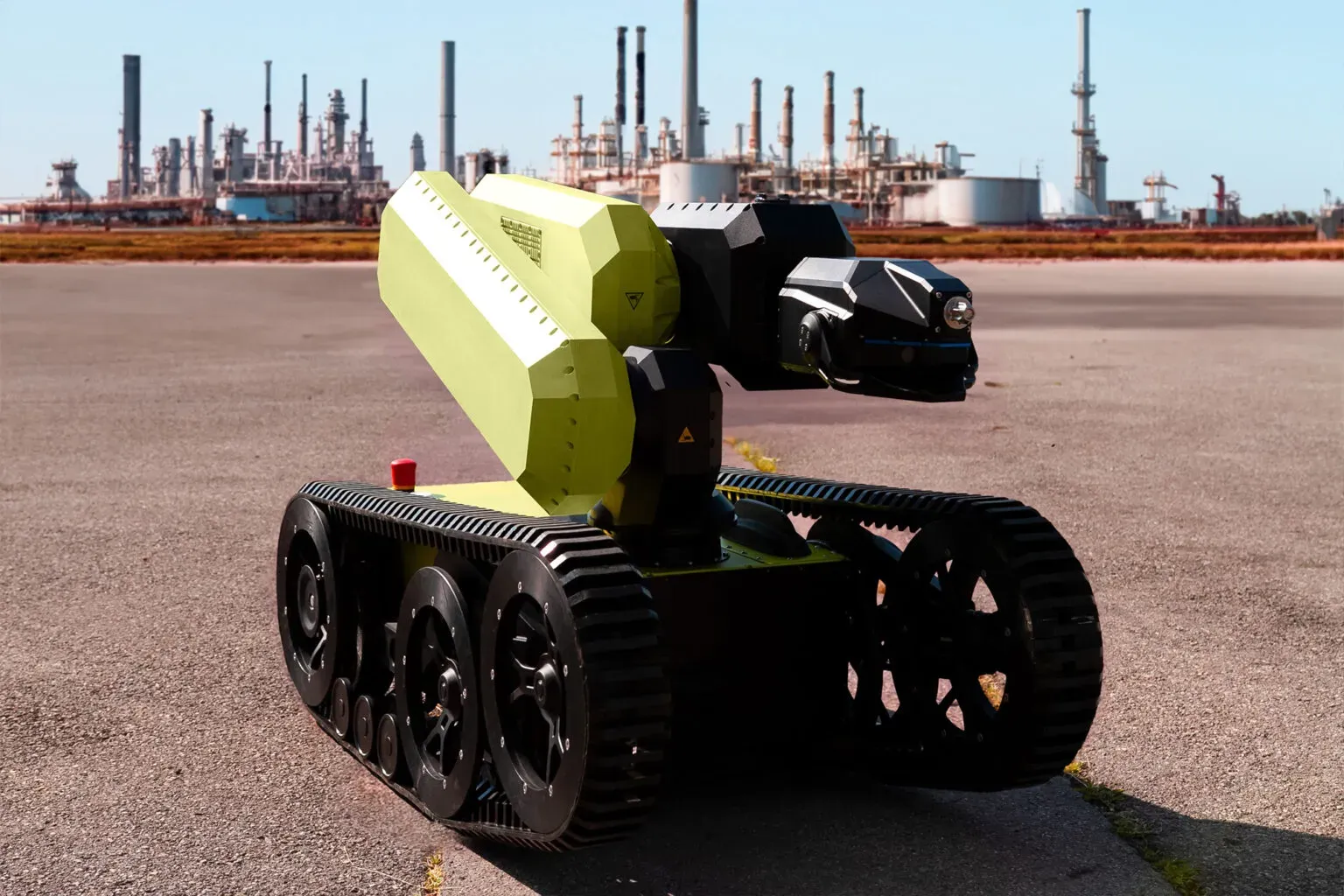
Taurob heavy-duty robot is now conducting on-site autonomous inspections inside hazardous industrial environments, acting as the first

Abu Dhabi | EcoPulse24
ADNOC announced the deployment of an autonomous heavy-duty inspection robot at its Taweelah Gas Compression Plant, marking a major step in the company’s broader push to integrate artificial intelligence, robotics and autonomous systems into live energy operations across the UAE.
The company said the Taurob heavy-duty robot is now conducting on-site autonomous inspections inside hazardous industrial environments, acting as the first “eyes on the ground” to help engineers detect gas leaks, abnormal heat signatures and operational risks without exposing personnel to danger.
Designed specifically for extreme industrial conditions, the robot is equipped with:
-
advanced 3D LiDAR sensors,
-
thermal imaging systems,
-
360-degree visibility,
-
autonomous inspection capabilities,
-
and real-time environmental monitoring tools.
ADNOC said the robot is already operating within routine inspection workflows at the Taweelah facility, helping improve operational safety, reliability and performance while reducing the need for human access to high-risk zones.
ADNOC Developing Next-Generation Industrial “Operator” Robot
Alongside the deployment, ADNOC also revealed plans to co-develop what it describes as the energy industry’s first heavy-duty “operator” robot - a next-generation system capable not only of inspection and monitoring, but also of physically handling industrial equipment inside hazardous environments.
The new robot is being developed under the ARGOS Joint Industry Project in collaboration with:
-
Equinor
-
Petrobras
-
TotalEnergies
-
Saft
-
Taurob
-
and the Net Zero Technology Centre.
According to ADNOC, the operator robot will be capable of:
-
lifting heavy equipment,
-
gripping industrial tools,
-
turning valves,
-
operating gauges,
-
and carrying out maintenance intervention tasks typically requiring human entry into dangerous operational zones.
The system will be designed to function in temperatures ranging from -20°C to 60°C and will support both autonomous operation and remote control functionality.
ADNOC said the robot is expected to become operational by the end of 2026.
AI and “Physical Intelligence” Becoming Core Energy Infrastructure
Dena Almansoori, ADNOC’s Group Chief Technology and Innovation Officer, said artificial intelligence and “physical intelligence” are becoming central pillars of ADNOC’s long-term energy strategy.
“At Taweelah, autonomous advanced robots are already deployed in live operations as we continue to develop the next generation of industrial robotics,” she said.
Almansoori added that the initiative aims to:
-
enhance safety,
-
reduce emissions,
-
improve operational performance,
-
and support the UAE AI Strategy 2031 and the country’s robotics and automation agenda.
ADNOC also disclosed that its AI-enabled HSE Cockpit.ai platform has already helped reduce safety incidents by 30% through real-time operational visibility and predictive risk management.
The company said robots and drones are now being deployed across:
-
hazardous inspections,
-
emissions monitoring,
-
incident response,
-
offshore and onshore operations,
-
confined-space environments,
-
and red-zone industrial areas.
EcoPulse24 Analysis
ADNOC’s latest robotics deployment highlights a broader structural shift underway across the global energy industry:
the transition from digital monitoring toward autonomous physical industrial systems.
Artificial intelligence is no longer limited to software analytics and predictive dashboards. It is increasingly moving into “physical AI” systems capable of performing real-world industrial tasks inside critical infrastructure environments.
This matters because energy companies globally are facing growing pressure related to:
-
industrial safety,
-
labor shortages,
-
operational continuity,
-
emissions management,
-
and cost efficiency.
The development of heavy-duty industrial robots capable of both inspection and physical intervention signals the emergence of a new operational layer for the energy sector - one combining AI, robotics, autonomous systems and remote industrial execution.
The project also reinforces the UAE’s broader strategy of positioning itself not only as a global energy producer, but increasingly as a hub for industrial AI, robotics and advanced operational technologies tied to energy and infrastructure.
At a strategic level, the multinational structure of the ARGOS project reflects how major energy companies are increasingly collaborating on next-generation industrial automation systems as part of the sector’s long-term transformation.
Explore Related Coverage
Sources & References
Editorial Note
Disclaimer
© 2025 EcoPulse24. All rights reserved.