Aluminum Prices Surge to Near Four-Year High Amid Escalating Middle East Conflict and Supply Disruption Risks
Aluminum prices hit 4-year high due to Middle East conflict, supply risks, and slower production growth in China and other regions.

London | EcoPulse24
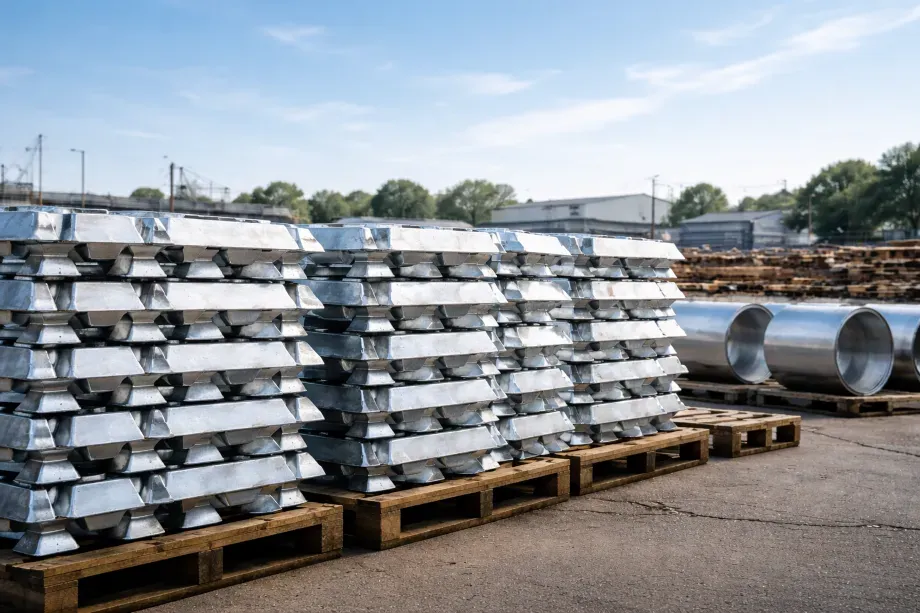
Aluminum prices in global markets have climbed to their highest levels in nearly four years, spurred by escalating military tensions in the Middle East and increasing fears of supply disruptions from a region that is one of the world's leading production centers.
Aluminum futures traded in the United Kingdom in March rose to about $3,340 per ton, marking the highest price in almost four years, amid growing anxiety over potential production halts and supply chain issues as the conflict in the region broadens.
Concerns intensified following reports of Iranian attacks on facilities in several Gulf Cooperation Council (GCC) countries, prompting some producers to suspend aluminum refining operations as a precaution. The ongoing military escalation threatens to disrupt output in a region that supplies about 10% of the world's aluminum.
Qatar has temporarily halted aluminum production, while major facilities in the UAE and Bahrain are now exposed to risks of attacks or power outages after strikes on regional energy infrastructure.
Supply logistics have also become more complicated after cargo ships were attacked while transiting the Strait of Hormuz, isolating some warehouses from customers and disrupting the movement of metals through one of the world’s most important trade routes.
At the same time, global supply is facing additional pressure from China, where production growth is expected to slow this year after the country surpassed the government’s 45 million ton production cap in 2025. Chinese industrial policies limiting further capacity expansion are dampening output growth, while smelters in countries like Indonesia face challenges from high energy costs and local regulatory risks.
EcoPulse24 Analysis:
The sharp spike in aluminum prices reflects mounting geopolitical risks to global industrial metals supply chains, as the market currently grapples with both a geopolitical shock in the Middle East and structural production constraints in Asia. If navigation through the Strait of Hormuz remains disrupted or attacks on energy infrastructure intensify, the market could face further surges in base metals prices in the near term.
Explore Related Coverage
Sources & References
Editorial Note
Disclaimer
© 2025 EcoPulse24. All rights reserved.