Coal Prices Surge to Highest Level Since December 2024 Amid Qatari Gas Disruptions and Shift to Alternative Fuels
Coal prices hit $128/ton, highest since Dec 2024, as Qatari LNG outage prompts shift to coal for power in Asia amid energy security concerns.

Dubai | EcoPulse24
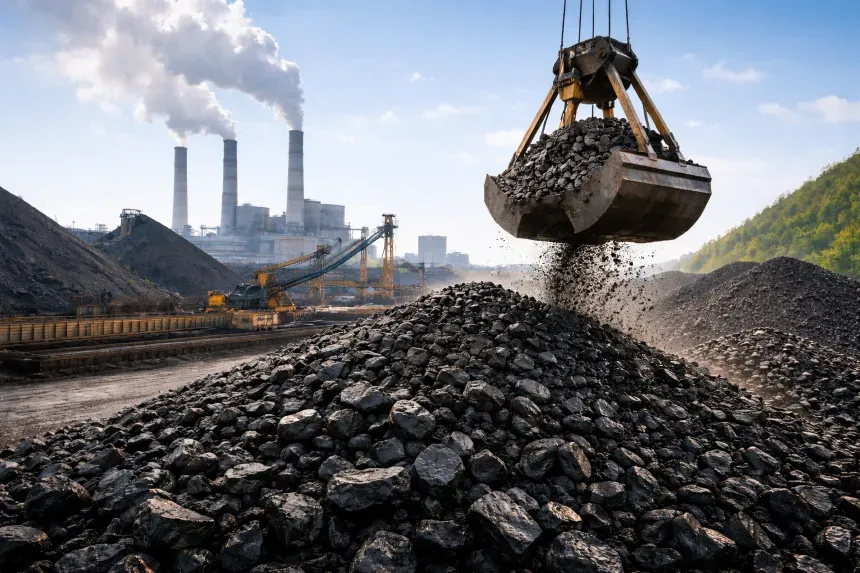
The ripple effects of halted liquefied natural gas (LNG) production in Qatar have extended into global coal markets, with prices jumping over 8% to hover near $128 per ton - the highest level since December 2024. This surge is driven by a rapid shift towards coal as a replacement for gas in electricity generation.
The price increase follows a rare outage at Qatari LNG facilities, one of the world’s largest export centers, after reports of an Iranian drone strike targeting energy infrastructure. The facility, which secures about 20% of global LNG trade, has not experienced a complete shutdown in nearly three decades, amplifying market sensitivity to any production interruptions.
This swift change in demand reflects the readiness of some Asian economies to offset gas shortages by increasing coal usage. Taiwan, for example, indicated it may ramp up coal-fired power generation if disruptions persist, while several Asian countries heavily depend on Qatari supplies to meet their energy needs.
The momentum in coal prices coincides with forecasts of robust global demand, despite the long-term trend toward clean energy. China, the world’s largest coal producer and consumer, continues to add new coal-fired capacity to enhance energy security and grid stability, providing price support amid any gas market turmoil.
The coal spike illustrates the phenomenon of 'fuel switching,' which typically occurs when gas prices rise or supplies are disrupted, prompting power companies to turn to relatively cheaper alternatives - even those with higher carbon emissions. Though this shift may temporarily slow emissions reductions in some markets, it remains a strategic choice to maintain grid stability during crises.
EcoPulse24 Analysis:
The coal rally underscores that Qatari gas disruptions have become a global energy pricing factor. With about one-fifth of global LNG trade reliant on Qatari supplies, any production stoppage directly boosts demand for quick alternatives like coal. In the short term, energy security concerns outweigh green transition agendas, while markets await clarity on the duration and broader impact of the supply interruption.
Explore Related Coverage
Sources & References
Editorial Note
Disclaimer
© 2025 EcoPulse24. All rights reserved.