Asian Markets Cautious Ahead of US-Iran Nuclear Talks Amid Pressure on Oil and Metals
Asian markets cautious amid US-Iran talks, low liquidity, and oil/metals volatility; bond yields fall as geopolitical tensions rise.

Tokyo | EcoPulse24
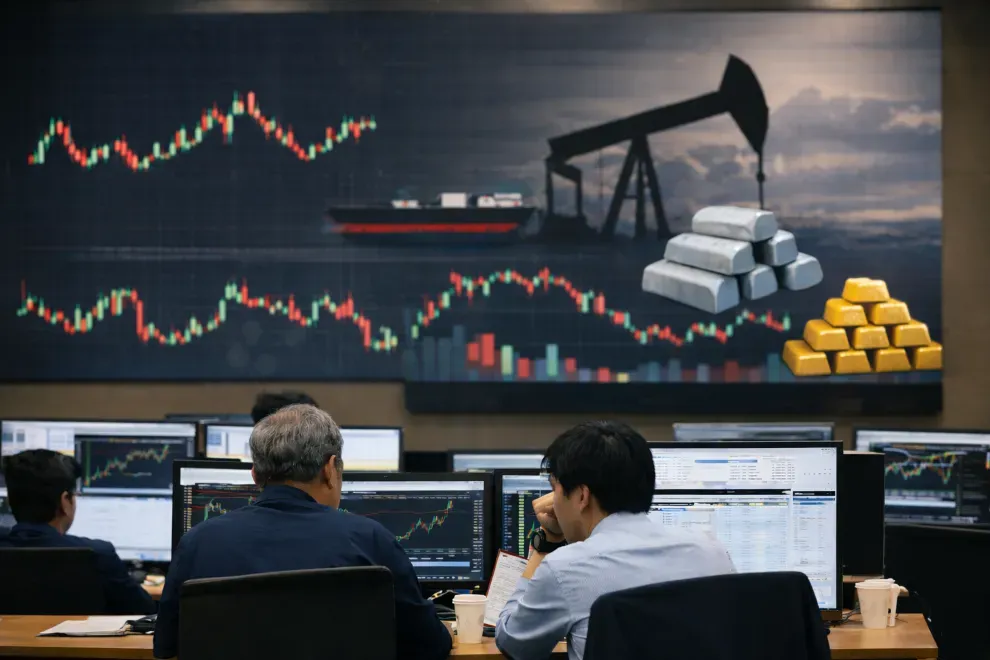
Asian markets are experiencing a cautious wait-and-see approach as US-Iran nuclear talks commence in Geneva, with trading volumes subdued due to regional holidays and notable fluctuations in energy and metals prices. Major Asian markets, including China, Hong Kong, Singapore, Taiwan, and South Korea, remain closed for Lunar New Year, while US markets were closed in the previous session for Presidents' Day, resulting in thin liquidity and lower risk appetite.
Market snapshot:
- Japan's Nikkei: -0.9%
- Australia's S&P/ASX200: +0.24%
- Nasdaq futures: -0.8%
- S&P 500 futures: -0.4%
The Nikkei faced notable pressure, while the Australian market posted modest gains. US futures reflected a defensive stance ahead of the full resumption of trading.
In the bond market, yields fell in both the US and Japan, signaling a shift towards fixed-income assets amid geopolitical uncertainty.
Bond yields:
- US 10-year Treasury: 4.029% (-2.5 basis points)
- Japan 20-year bond: 3.025% (-5.5 bps)
- Japan 30-year bond: 3.025% (-6 bps)
- Japan 5-year bond: 1.625% (-4.5 bps)
A weak result in the Japanese 5-year bond auction heightened sensitivity in the yield curve despite the broader downward trend.
Tensions in the Strait of Hormuz resurfaced after Iran's Revolutionary Guard Navy conducted military exercises in the key waterway, through which about 20% of global oil shipments pass, just ahead of the nuclear negotiations. This development reinforced caution in energy markets.
Metals prices:
- Gold: $4,950/oz (-0.82%)
- Spot silver: -1.6%
Gold and silver came under pressure, driven by a stronger US dollar in the previous session, making dollar-denominated commodities more expensive for holders of other currencies.
EcoPulse24 Analysis:
Asian markets are currently influenced by two overlapping factors: limited liquidity due to holidays and heightened geopolitical tension linked to US-Iran negotiations. The decline in bond yields reflects a defensive bias, while oil and metals prices remain sensitive to any political developments. A diplomatic breakthrough could erode the risk premium in energy prices, while continued escalation may quickly reprice risk. The current phase is a test of how well markets can absorb geopolitical shocks without a broad retreat in risk appetite.
Explore Related Coverage
Sources & References
Editorial Note
Disclaimer
© 2025 EcoPulse24. All rights reserved.