Attack on world’s largest LNG hub escalates global energy risk
Missile strike on Qatar's Ras Laffan LNG hub escalates energy risks, causing damage, raising supply fears, and driving oil prices above $109.

Doha | EcoPulse24
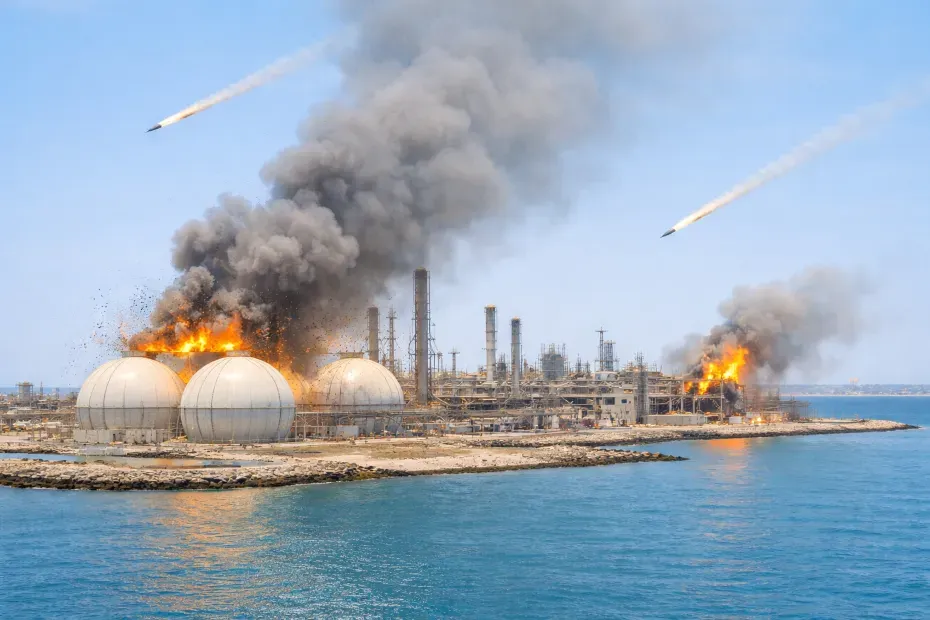
A missile strike on Qatar’s Ras Laffan Industrial City - home to the world’s largest liquefied natural gas (LNG) export facility - has marked a critical escalation in the Middle East conflict, raising immediate concerns over global energy supply and inflation risks.
QatarEnergy confirmed that the attack caused fires and “extensive damage” at the Ras Laffan complex, a key node in global LNG exports. Authorities stated that the fire was brought under control and no casualties were reported, but the scale of the damage underscores the vulnerability of critical energy infrastructure in the region.
The strike came hours after Iran signaled potential targets across Gulf energy facilities following attacks on its South Pars gas field, indicating a shift from indirect confrontation to direct targeting of energy assets across the region.
Ras Laffan is a cornerstone of global LNG supply, particularly for Europe and Asia, making any disruption highly sensitive for international energy markets. The incident immediately intensified supply concerns, especially as flows through the Strait of Hormuz remain constrained, a route that handles a significant share of global energy shipments.
Energy markets reacted swiftly, with Brent crude rising above $109 per barrel as traders priced in higher geopolitical risk and the potential for prolonged supply disruptions. The attack also amplified fears of further retaliatory actions targeting oil and gas infrastructure across Saudi Arabia, the UAE, and Qatar.
The escalation adds a new layer of uncertainty to global markets already grappling with rising energy prices and persistent inflation pressures. Central banks, including the Federal Reserve and the European Central Bank, are now facing increased complexity in managing inflation expectations as energy costs threaten to remain elevated.
Meanwhile, precautionary measures across the region have intensified, with reports of evacuations at major energy facilities and heightened security protocols around critical infrastructure, signaling that markets may be entering a prolonged period of elevated geopolitical risk.
The development also raises concerns over global LNG supply chains, particularly ahead of seasonal demand cycles, with storage levels already below historical averages following a colder - than - expected winter.
EcoPulse24 Analysis:
The attack on Ras Laffan represents a structural escalation in the energy conflict, shifting the market narrative from risk anticipation to active supply disruption. Targeting LNG infrastructure - not just oil - broadens the scope of the crisis and directly impacts global gas markets, particularly in Europe and Asia. This development reinforces a higher - for - longer energy price environment, intensifies inflation risks, and increases the likelihood of sustained volatility across commodities, currencies, and global financial markets.
Explore Related Coverage
Sources & References
Editorial Note
Disclaimer
© 2025 EcoPulse24. All rights reserved.