Qatar's LNG Expansion Puts Long-Term Sales Strategy to the Test Amid Shifting Global Demand
Qatar's LNG expansion outpaces long-term contracts, pushing it to blend fixed and spot sales amid shifting global demand and rising competition.

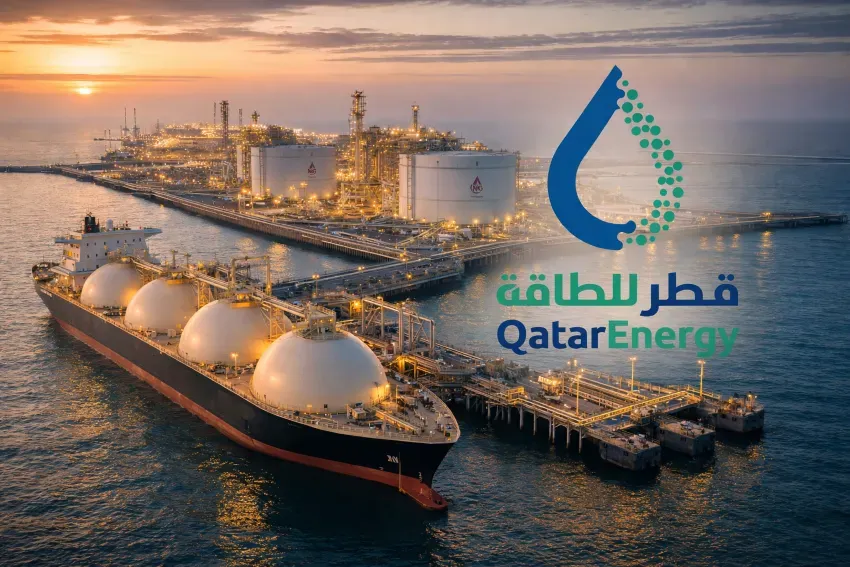
Doha | EcoPulse24
Qatar, the world’s largest exporter of liquefied natural gas (LNG), is grappling with the challenge of matching its massive capacity expansion plans with the pace of securing long-term sales contracts. As global competition intensifies and demand patterns evolve, even recent successes in attracting new buyers highlight the complexity of the task.
At the LNG 2026 conference in Doha last week, QatarEnergy announced new long-term supply agreements, most notably a 27-year contract with Japan’s JERA and a deal with Malaysia - a country traditionally known as an LNG exporter. These deals signal a broadening client base.
According to BloombergNEF data, since 2022, Qatar has signed long-term sales contracts totaling around 39 million tonnes per year, almost entirely allocated to new production facilities set to come online from this year. This volume matches India’s annual consumption, the world’s fourth-largest LNG importer.
Yet, these contracts cover only about 60% of Qatar’s planned additional capacity, excluding volumes from its upcoming US-based LNG export project, which is expected to start operations soon but lacks long-term contracts so far.
Qatar also faces the expiration of several existing contracts in the coming years, with no guarantees of renewal on similar terms, increasing pressure on its future marketing strategy.
Major, established markets like Japan, South Korea, and Europe have largely secured their long-term supply, while negotiations with emerging markets - such as India - are more complex, particularly as Qatar maintains relatively high pricing structures compared to competitors.
Historically, Qatar has relied on long-term contracts to stabilize revenues and shield its economy from volatile spot markets. However, the growing gap between contracted volumes and future production makes this model less sufficient for the next phase.
To adapt, Qatar has recently enhanced its expertise in spot LNG trading, signaling readiness for greater flexibility through spot and short- to medium-term deals.
Industry observers note that less pressure to market all volumes via fixed contracts may prompt Qatar to reschedule the ramp-up of new supply, especially as expansion projects have already encountered delays due to supply chain bottlenecks and rising costs.
If contracting momentum does not accelerate, Doha may be forced to temper its growth ambitions - a move that could have significant implications for the global gas market given Qatar’s pivotal role in supply-demand balance.
EcoPulse24 Analysis:
Recent developments place Qatar at a strategic crossroads in the LNG sector. While long-term contract success continues, it is no longer sufficient to absorb unprecedented production growth. Gradual transition to a blend of long-term and spot sales increases flexibility but also exposes Qatar to global price volatility. Given Qatar’s market weight, any shift in expansion or marketing strategy will directly impact the global LNG landscape over the next decade.
Explore Related Coverage
Sources & References
Editorial Note
Disclaimer
© 2025 EcoPulse24. All rights reserved.