Australian Media Billionaire Kerry Stokes Bids $6 Billion for BlueScope Steel in Strategic Deal with Steel Dynamics
Kerry Stokes bids $6B for BlueScope Steel with Steel Dynamics, aiming to split assets; BlueScope shares hit 17-year high on deal news.

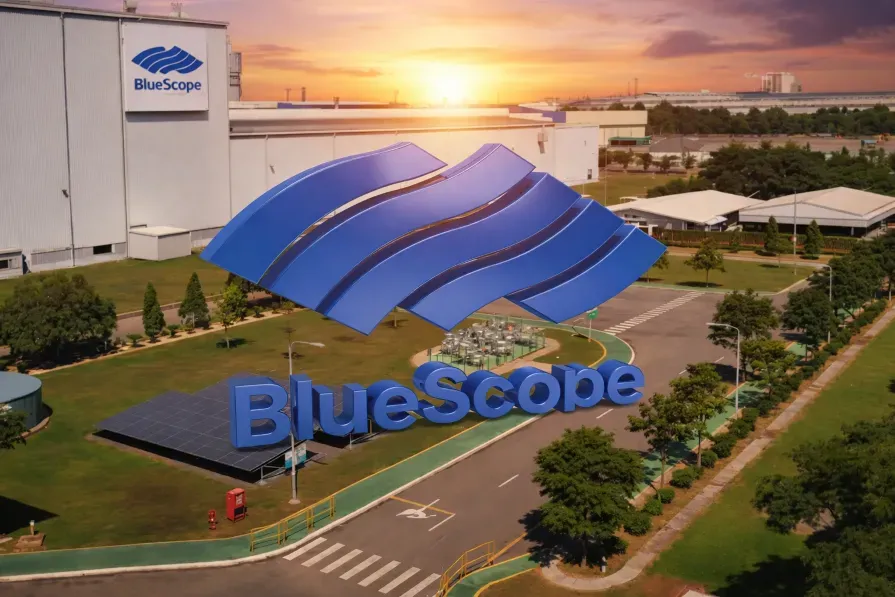
Kerry Stokes, Owner of Seven TV Network, Partners with US Firm to Split Australia's Largest Steelmaker – BlueScope Shares Surge to 17-Year High
Sydney – January 6, 2026
In a move that initially raised eyebrows, Australian media billionaire Kerry Stokes - owner of the Seven Network - has joined forces with US-based Steel Dynamics to make an AUD 8.8 billion (about USD 6 billion) bid for BlueScope Steel, Australia's largest steel manufacturer, according to Reuters. The offer, made through Stokes' SGH (in which he holds the largest stake) and Steel Dynamics, represents the second major deal for Stokes' empire under the leadership of his son, Ryan Stokes, following the 2024 acquisition of building materials giant Boral. The buyers propose to split BlueScope along geographic lines: SGH would acquire the Australian operations, while Steel Dynamics would take the North American unit.
Strategy Behind the Deal: From Media to Steel
Analysts and investors have questioned why an 84-year-old media mogul would want to buy a steel company. The answer lies in the strategic evolution of Stokes' empire, which has diversified from free-to-air TV into energy, heavy equipment sales, building materials, and now steel. The strategy: hedge against the decline of traditional media by building a robust industrial portfolio. With Australia's government committing hundreds of billions to infrastructure over the next decade, demand for steel is expected to remain strong.
Stokes' acquisition of Boral in 2024 created significant vertical integration: Boral produces cement and concrete, and BlueScope makes steel. This allows Stokes to offer integrated solutions to major contractors, improve profit margins, and reduce reliance on external suppliers.
Geographic Split: A Smart Move
The proposed split of BlueScope is designed for logistical efficiency. SGH would control Australian operations, including the Port Kembla plant, while Steel Dynamics would acquire BlueScope's Ohio facility - just 90 km from its existing Indiana assets. This eliminates the inefficiency of managing operations 15,000 km apart, allows Steel Dynamics to integrate Ohio with its Midwest operations, and gives SGH near-monopoly control of Australian steel production, especially after merging with Boral assets.
Both buyers have pledged to retain BlueScope's key Australian management if the deal closes, and Steel Dynamics will keep its own US leadership. However, no further details on employee retention were provided. Opal Capital Management's Omkar Joshi noted that the split makes sense given the separation of BlueScope's units, but the buyers may need to raise their offer.
Financial Rationale
The deal's numbers are compelling. BlueScope posted AUD 1.2 billion net profit on AUD 14.8 billion revenue in FY2025. The acquisition's price-to-earnings ratio is about 7.3, low for a stable industrial firm, suggesting the offer may be below fair value. The real value lies in potential synergies: if SGH merges BlueScope with Boral, they could save AUD 200 – 300 million annually through joint procurement, reduced administrative costs, improved logistics, and stronger bargaining power. These savings could recover 15 – 20% of the acquisition value in five years.
For Steel Dynamics, the Ohio plant expands its Midwest capacity, providing better access to automotive and construction clients. The company is paying roughly USD 3 – 3.5 billion for assets generating USD 400 – 500 million in annual profit - a 12 – 15% annual return, strong for the steel sector.
Market Reaction and Next Steps
BlueScope shares soared 20.82% to their highest level in 17 years after the offer, reflecting investor enthusiasm. Steel Dynamics' shares fell 2.40% in New York, possibly due to concerns over deal costs or additional debt. BlueScope said the buyers requested exclusive due diligence but did not confirm agreement. Australian law grants four weeks of exclusive due diligence before a binding offer. SGH is advised by Barrenjoey and Goldman Sachs, Steel Dynamics by JPMorgan, and BlueScope by UBS.
Challenges and Risks
The deal faces several hurdles: regulatory approval from the Australian Competition and Consumer Commission (ACCC) due to Stokes' growing dominance in steel and building materials; financing challenges for a AUD 9 billion deal; and exposure to global steel price fluctuations. Some analysts believe BlueScope is worth AUD 10 – 11 billion, suggesting the current offer is 15 – 20% below fair value, and a bidding war could push the price higher.
Conclusion: Strategic Vision or Risky Gamble?
Stokes' bid for BlueScope Steel is a bold bet on Australia's infrastructure future and a strategic pivot away from declining traditional media. At 84, Stokes continues to pursue major, complex deals, drawing on decades of experience. The deal makes sense economically, with reasonable valuation, clear synergies, and smart geographic division. Success will depend on effective integration, regulatory approval, and managing commodity risks. If successful, Stokes could become one of Australia's most powerful industrialists, controlling media, steel, and building materials - a rare business trifecta.
Explore Related Coverage
Sources & References
Editorial Note
Disclaimer
Please review the Terms & Conditions.
© 2025 EcoPulse24. All rights reserved.