Bank of England Faces Pivotal Rate Decision as UK Inflation Data Awaited
Bank of England faces split over rates as UK inflation nears 3%. Key data this week will guide policy amid rising job losses and wage slowdown.

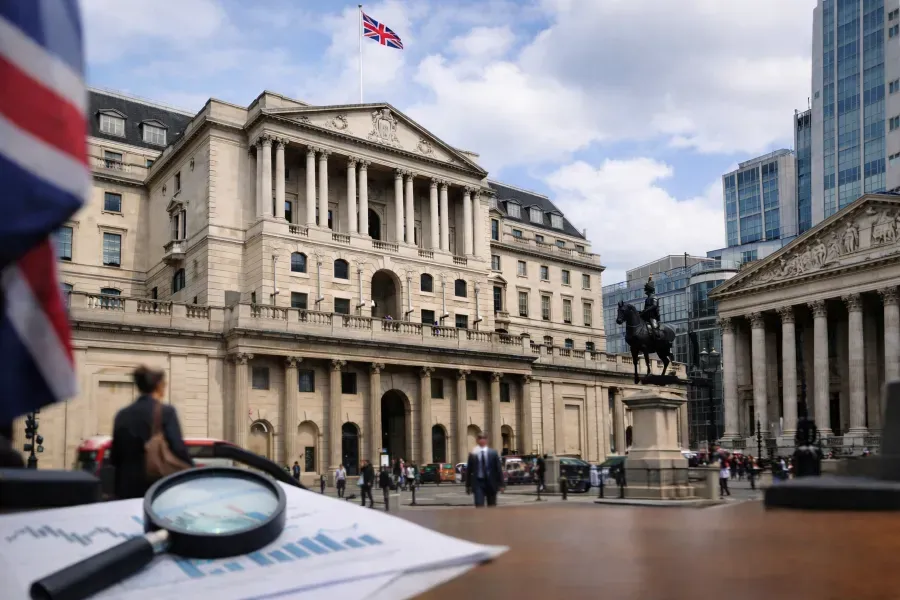
London | EcoPulse24
The Bank of England is bracing for a crucial week of economic data following a narrow decision to keep interest rates unchanged, amid ongoing concerns that inflation remains above target. According to Bloomberg, internal divisions within the Monetary Policy Committee have widened over the next steps for rates.
The committee voted 5 to 4 to maintain the current rate, which remains among the highest in the G7 and aligns with the upper end of the US Federal Reserve's range. This split reflects differing views on whether inflationary pressures have eased sufficiently to begin a new rate-cutting cycle.
This week's inflation data - especially Wednesday's release - will be pivotal as it is the final reading before the March meeting. The bank projects inflation will drop to 2% by April, but current figures are still above this level. Expectations are for January inflation to reach about 2.9%, with economists forecasting close to 3%, driven by retail and accommodation costs.
The labor market will also be under scrutiny, with jobs and wage indicators due. Recent data show wage growth slowing in the private sector and unemployment rising to 5.1%, its highest level in nearly a decade outside the pandemic. Tax data point to a loss of 184,000 jobs over the past year, increasing the risk of economic slowdown.
Within the central bank, debates continue: some members believe current rates are still relatively low given inflation, while others foresee gradual cuts in the second quarter if price declines are confirmed.
Globally, these developments coincide with a busy week for markets, including US Q4 GDP data, inflation readings in Canada and Japan, and several central bank meetings worldwide, reflecting heightened anticipation for the direction of global monetary policy in 2026.
EcoPulse24 Analysis:
The Bank of England stands at a delicate crossroads between inflation risks and a weakening labor market. Inflation near 3% keeps pressure for policy tightening, but job and wage weakness supports the case for easing. The next decision will depend heavily on whether inflation data confirm a sustained downward trajectory or reveal persistent price pressures. If economic slowdown continues without a meaningful drop in prices, the bank could face a complex trade-off between supporting growth and maintaining price stability. This week's data will be crucial in shaping UK monetary policy for the first half of the year.
Explore Related Coverage
Sources & References
Editorial Note
Disclaimer
© 2025 EcoPulse24. All rights reserved.