Egyptian Central Bank Cuts Interest Rate to 19% and Lowers Reserve Requirement for First Time in Four Years
Egypt's central bank cut rates to 19% and reserve requirements to 16%, aiming to boost liquidity amid falling inflation and strong GDP growth.

Cairo | EcoPulse24
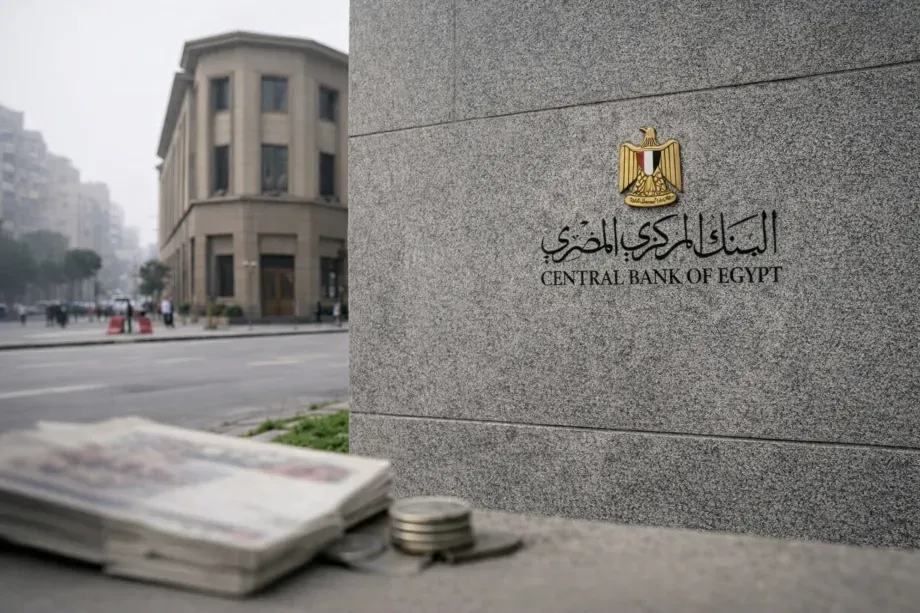
The Central Bank of Egypt has entered a new phase of monetary easing, with its Monetary Policy Committee cutting benchmark interest rates by 1% in its first meeting of 2026. Deposit rates now stand at 19% and lending rates at 20%, marking the sixth reduction in ten months and a total decrease of 725 basis points since April 2025.
In addition to the rate cut, the central bank reduced the mandatory reserve requirement for banks from 18% to 16% - the first such move in four years - aimed at boosting liquidity in the banking sector. This shift reflects a clear change in monetary policy direction.
The decision is underpinned by a gradual decline in inflation, with urban inflation falling to 11.9% in January from 12.3% in December, and core inflation dropping to 11.2% from 11.8%. Improved macroeconomic indicators, notably a 5.3% GDP growth in Q1 of FY 2025/2026 - the highest in three and a half years - provided further support for this policy shift.
Additional factors such as export recovery, increased Suez Canal revenues, and easing pressure on domestic debt service also contributed, in an environment that demands lower borrowing costs for both the government and private sector.
From a macroeconomic perspective, lower rates directly support investment activity by reducing financing costs for companies, potentially encouraging expansion in production and employment. The reduced reserve requirement frees up bank liquidity, enhancing lending capacity.
For consumers, the decision has mixed effects: borrowers benefit from lower loan and mortgage costs, potentially stimulating demand in sectors like real estate and retail, while savers face reduced returns as banks cut deposit rates, impacting those reliant on interest income.
For public finances, each 1% rate cut significantly reduces local debt servicing costs, allowing the government to reallocate resources to social and investment spending. The government has also pledged not to raise electricity prices until the end of the current fiscal year, absorbing an estimated EGP 75 billion in support to curb inflationary pressures.
Looking ahead, some analysts anticipate further rate cuts in 2026 if inflation continues to decline, with the central bank targeting 7% (±2 percentage points) inflation by Q4 2026. However, the outlook depends on global commodity prices, exchange rates, and foreign investment flows.
EcoPulse24 Analysis:
The central bank’s move marks a measured shift from tightening to easing, driven by falling inflation and stronger growth indicators. While easing supports investment and reduces debt burdens, it also diminishes the appeal of domestic savings and pressures savers. The success of this phase hinges on whether lower rates drive productive expansion rather than just consumption, ensuring sustainable growth without reigniting inflation.
Explore Related Coverage
Sources & References
Editorial Note
Disclaimer
© 2025 EcoPulse24. All rights reserved.