Bank of Japan Holds Interest Rate at 0.75%, Raises Inflation Outlook in Hawkish Signal
BOJ kept rates at 0.75% but raised inflation forecasts, signaling possible hikes. Yen weakened; fiscal moves add market volatility.

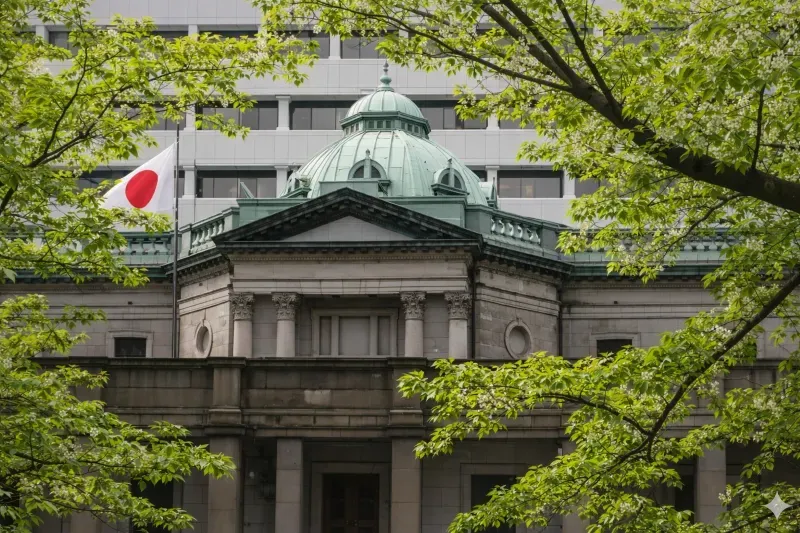
Tokyo – EcoPulse24 Exclusive
The Bank of Japan (BOJ) left its key interest rate unchanged at 0.75% during its meeting on Friday, January 23, 2026, a widely anticipated move. Despite the hold, the BOJ struck a notably hawkish tone by raising four out of six inflation forecasts in its quarterly report and reiterating its readiness to hike rates further if economic conditions warrant. Notably, board member Hajime Takata voted in favor of an immediate rate increase, reflecting concerns over persistent inflation, while the other nine members supported maintaining the rate.
Harumi Taguchi, chief economist at S&P Global Market Intelligence, commented, “With the upward revision to inflation, the recent yen depreciation is clearly having an impact, and I expect the rate hike path will continue.”
The BOJ raised its core inflation forecast (excluding fresh food and energy) to an average of 2.2% for the fiscal year starting April, up from a prior estimate of 2.0%. Overall inflation (excluding fresh food) is projected to reach 2.7% for fiscal 2025. These projections come despite large-scale government support programs, indicating the BOJ sees underlying inflationary pressures as stronger than previously thought.
The policy decision follows Prime Minister Sanae Takaichi’s announcement to dissolve parliament for snap elections on February 8 and her pledge to suspend the 8% sales tax on food and non-alcoholic beverages for two years, a move valued at around 5 trillion yen (USD 32 billion). This fiscal expansion triggered heavy selling in Japanese government bonds this week, pushing long-term yields to multi-decade highs, reflecting investor concerns over rising fiscal deficits.
The yen fell below 159 per US dollar during Governor Kazuo Ueda’s press conference, nearing an 18-month low of 159.45 seen earlier this month. The persistent weakness of the yen - even after a rate hike in December - poses a challenge for the BOJ, as it raises import costs and imported inflation.
Chutaro Morita, chief strategist at All Nippon Asset Management, noted, “With Takata proposing an immediate hike to 1%, the question is whether the current pace of raising rates every six months needs to be accelerated.” Analysts now see the possibility of a rate hike as early as April, ahead of previous expectations for a summer move, especially as economic risk assessments improve and concerns over US tariffs abate.
Impacts on the Japanese economy include:
- Household consumption: The sales tax suspension may boost spending, but potential rate hikes could dampen credit growth.
- Investment: Higher borrowing costs may slow corporate capital investment.
- Government bonds: Continued volatility is expected amid fiscal expansion and possible rate increases.
Global market effects:
- Currencies: Yen weakness supports Japanese export competitiveness but raises imported inflation.
- Gold and metals: A weaker yen increases the appeal of dollar-priced metals for Japanese investors.
- Asian markets: Less accommodative BOJ policy could redirect financial flows in the region.
Middle East implications:
- USD/JPY: Could affect Gulf investors’ holdings in Japanese assets.
- Oil exports: A weak yen raises Japan’s oil import bill, which could marginally support oil prices.
EcoPulse24 – In-depth coverage of global markets.
Explore Related Coverage
Sources & References
Editorial Note
Disclaimer
© 2025 EcoPulse24. All rights reserved.