BHP’s Copper Profits Surpass Iron Ore Amid AI-Driven Demand, Reshaping Mining Priorities
BHP's copper profits surpassed iron ore for the first time, driven by AI and energy demand; shares hit record high, dividend beats forecasts.

Melbourne | EcoPulse24
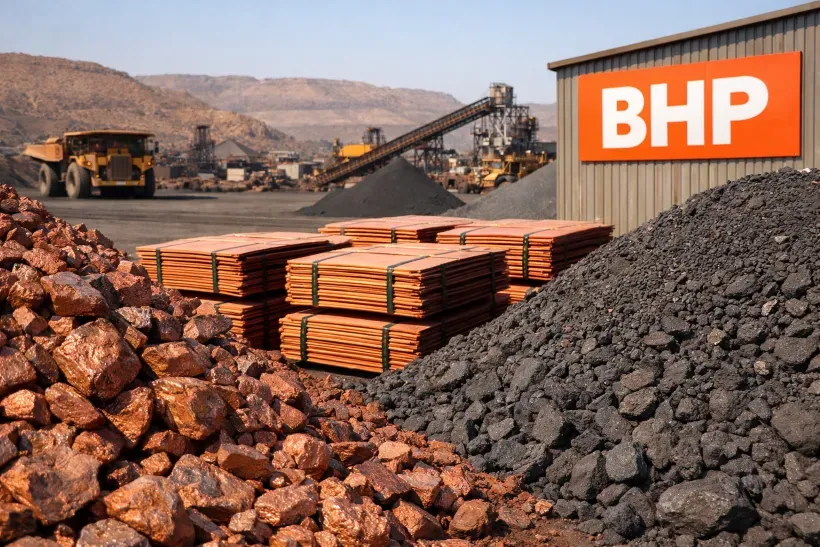
BHP Group announced half-year results that exceeded market expectations, marking a notable shift within the world’s largest mining companies. For the first time, copper became the leading contributor to operating profit, surpassing iron ore. This highlights a changing dynamic in the metals sector, driven by rising demand from AI infrastructure and the ongoing energy transition.
Investors responded strongly to the results, especially after BHP declared higher-than-expected dividends and signaled potential for further cash flows, despite iron ore facing a less supportive pricing environment. BHP shares climbed 7% to a record high, reflecting the market’s recognition of the company’s enhanced ability to generate balanced profits across a strategically vital metals portfolio.
Key Figures:
- BHP share price: +7% (record high)
- Underlying half-year profit: $6.20 billion (+22%)
- Visible Alpha consensus: $6.03 billion
- Interim dividend: 73 cents/share (market estimate: 63 cents)
- Payout ratio: 60%
Copper, along with byproducts like gold, contributed $7.95 billion in operating profit in the six months to December 31, overtaking iron ore’s $7.50 billion. Copper made up 51% of total core operating profit of $15.46 billion, driven by a 32% jump in realized copper prices and higher precious metal prices.
Breakdown of Operating Profit:
- Copper (including byproducts): $7.95 billion
- Iron ore: $7.50 billion
- Total core operating profit: $15.46 billion
- Copper’s share: 51%
- Realized copper price increase: +32%
This shift is rooted in structural demand changes. AI data centers are boosting energy and electrical infrastructure needs, increasing demand for metals used in networks, cables, transformers, and infrastructure components. The transition to clean energy and electric vehicles is intensifying pressure on high-quality copper supply, prompting major miners to reprioritize investments and growth.
CEO Mike Henry noted that AI could drive data center copper demand sixfold by 2050. He emphasized BHP is not under pressure to pursue large M&A deals as long as organic growth options exist, and will only act on tightly vetted opportunities.
Operationally, BHP increased its 2027 copper output forecast for the Escondida mine in Chile to 1.0 – 1.1 million tonnes, citing strong performance and operational improvements.
2027 Copper Production Guidance (Escondida): 1.0 to 1.1 million tonnes
On liquidity, BHP announced a $4.3 billion silver streaming agreement with Wheaton Precious Metals, covering silver from its stake in the Antamina mine in Peru. This deal could free up over $6 billion in cash, with a potential total of up to $10 billion, providing flexibility for dividend payments this year.
Wheaton Deal & Liquidity Impact:
- Upfront payment: $4.3 billion
- Cash released: over $6 billion
- Potential total: $10 billion
EcoPulse24 Analysis:
BHP’s results go beyond a simple earnings surprise, signaling a realignment of power in global mining. Copper’s lead over iron ore marks a new demand cycle driven by infrastructure metals tied to electrification and data, rather than traditional construction materials. Higher dividends and moves to generate liquidity via metal stream agreements give BHP flexibility to reward shareholders without full reliance on iron ore. In the current environment, miners with high-quality copper assets and efficient production stand to benefit most from AI and clean energy investment waves, though supply management and disciplined growth remain critical to sustaining returns.
Explore Related Coverage
Sources & References
Editorial Note
Disclaimer
© 2025 EcoPulse24. All rights reserved.