Brazil and India Move to Shield Fuel Markets as Energy Shock Pressures Persist
Brazil extended diesel and cooking-gas support programs while India cut fuel export duties, as both countries seek to protect their economies

Dubai | EcoPulse24
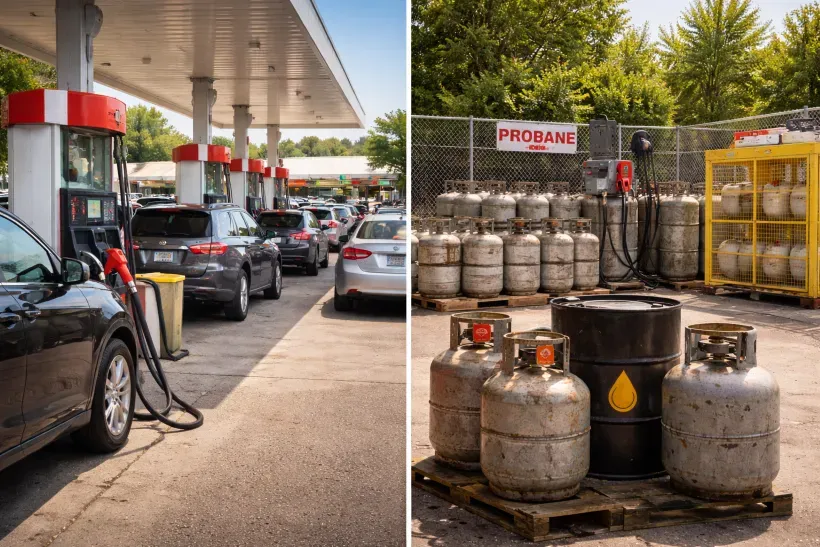
Brazil and India have unveiled fresh measures to protect their domestic fuel markets from ongoing volatility in global energy prices, highlighting how governments are increasingly stepping in to cushion the economic impact of the Middle East conflict and its effects on oil markets.
The coordinated actions - announced within hours of each other - reflect a broader global trend as policymakers seek to contain inflationary pressures, stabilize transportation costs, and reduce the spillover effects of higher energy prices on consumers and businesses.
As geopolitical tensions continue to disrupt energy markets, countries are turning to subsidies, tax relief, and export-policy adjustments to limit economic damage at home.
Brazil Extends Fuel Support Program
Brazil announced a two-month extension of its flagship fuel-support program, citing continued pressure on domestic fuel prices linked to developments in the Middle East.
Under the new measures, the government will provide a subsidy of 1.12 Brazilian reais ($0.21) per liter of diesel starting June 1, benefiting both domestic refiners and fuel importers.
Authorities also confirmed:
-
An extension of cooking-gas subsidies.
-
Continued tax exemptions for aviation fuel through July 31.
-
The introduction of a new cash-rebate mechanism designed to gradually replace an existing diesel tax-relief program.
The measures aim to prevent higher energy costs from feeding into transportation expenses and broader consumer inflation.
India Cuts Export Duties on Refined Fuels
India, meanwhile, has chosen a trade-focused approach.
The government announced a reduction in export duties on gasoline, diesel, and jet fuel for a two-week period beginning June 1, seeking to maintain the competitiveness of India's refining sector amid volatile global energy markets.
India's New Fuel Export Duties
| Fuel Product | Export Duty |
|---|---|
| Gasoline | 1.5 Rupees per Liter |
| Diesel | 13.5 Rupees per Liter |
| Jet Fuel | 9.5 Rupees per Liter |
Indian authorities said the duties will continue to be reviewed every two weeks based on international prices for crude oil and refined petroleum products.
The flexible framework allows policymakers to respond quickly to changing market conditions while supporting refinery margins and export flows.
Governments Respond to Energy Market Volatility
Although Brazil and India are using different policy tools, both are responding to the same challenge: protecting domestic economies from external energy shocks.
Since the outbreak of the Iran conflict, oil markets have experienced heightened volatility as traders reassess supply risks, shipping routes, and potential disruptions across key energy corridors.
The result has been increased pressure on fuel-importing nations, transportation sectors, and inflation-sensitive industries.
Several governments have already introduced:
-
Fuel tax reductions
-
Diesel support programs
-
Energy subsidies
-
Export-duty adjustments
-
Transportation relief measures
to limit the economic impact of higher energy costs.
Key Policy Measures
| Indicator | Brazil | India |
|---|---|---|
| Policy Tool | Fuel Subsidies | Export Duty Reduction |
| Diesel Support | 1.12 BRL per Liter | - |
| Cooking Gas Support | Extended | - |
| Aviation Fuel Relief | Tax Exemptions Extended | Lower Export Duties |
| Review Mechanism | Fixed Extension | Every Two Weeks |
EcoPulse24 Analysis
The latest actions from Brazil and India illustrate a growing shift in economic policy during periods of energy-market stress.
Rather than allowing global fuel-price movements to flow directly into domestic economies, governments are increasingly intervening to moderate the impact on consumers and businesses.
This reflects a broader recognition that energy prices are no longer just a commodity-market issue. They have become a critical driver of inflation, economic growth, transportation costs, and political stability.
The measures also suggest that policymakers expect energy-market volatility to remain elevated in the months ahead.
For investors, the key takeaway is that governments are moving from passive observation to active management of fuel-price risks. While such interventions may help shield local economies in the short term, they also underscore the extent of concern surrounding the global energy outlook.
As long as geopolitical tensions continue to influence oil markets, fuel policies are likely to remain at the center of economic decision-making across both developed and emerging economies.
Sources & References
Editorial Note
Disclaimer
© 2025 EcoPulse24. All rights reserved.