Asia Seeks Oil and Gas Alternatives Amid Hormuz Disruption and Qatar Facility Shutdown
Asia scrambles for non-Mideast oil and gas as Hormuz closure and Qatar LNG halt disrupt supplies, raising costs and energy security concerns.

Beijing | EcoPulse24
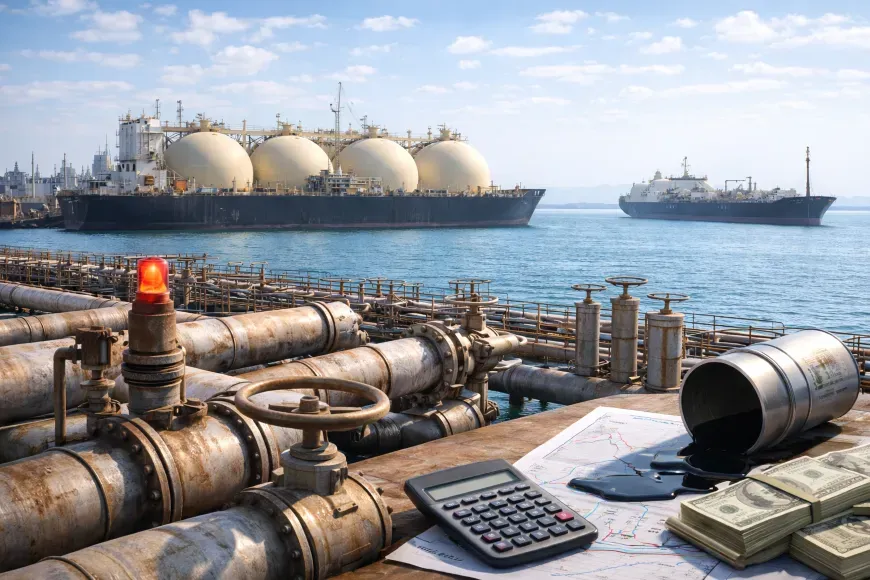
Asian energy markets have entered a frantic phase to secure alternative oil and gas supplies outside the Middle East, as the ongoing conflict disrupts key flows from the Gulf following the closure of the Strait of Hormuz and a shutdown at Qatar’s largest LNG export facility. These urgent moves come amid concerns that a prolonged conflict could deplete inventories and sharply increase import costs.
Crude oil is currently trading at $74.31 per barrel, up 4.32%, reflecting the market’s sensitivity to disruptions affecting Gulf shipments, which serve as a vital artery for global supplies.
On the oil front, China - the world’s largest importer - relies heavily on shipments passing through Hormuz, with the region accounting for about 30% of its LNG imports. India, Japan, and South Korea face similar challenges, prompting importers to reach out to suppliers in the US, Australia, and Africa for alternative cargoes. Some buyers have requested earlier delivery of March shipments to cover potential gaps.
Strategic reserves provide a short-term buffer. Japan has significant storage capacity at sites such as Kiri and Okinawa, while South Korea reports oil and gas reserves above mandatory requirements. Taiwan has indicated it has enough supply through March after emergency coordination but may turn to regional neighbors if the crisis persists.
For LNG, the US remains the largest alternative supplier, with some shipments originally destined for Europe potentially redirected to Asia. Australia could also benefit, though its capacity is below Qatar’s. However, alternatives outside the Middle East come at a higher cost, especially with rising shipping and marine insurance expenses.
The closure of the Strait of Hormuz has effectively halted flows of around 20 million barrels per day of oil, condensates, and petroleum products, in addition to a significant share of global LNG trade. Security threats to shipping have raised operational risks, forcing shipping companies to suspend or reschedule voyages, exacerbating supply chain uncertainty.
Energy trading firms with binding supply contracts, especially those linked to Qatar, are seeking alternative shipments to meet obligations. Indian companies are considering new tenders to offset potential supply shortfalls. LNG carriers loaded in the Gulf remain unable to transit, adding further complexity.
EcoPulse24 Analysis:
Asia faces a true test of its energy security. Strategic reserves offer a temporary safety net, but prolonged disruptions could shift the crisis from a price shock to structural supply chain and cost pressures. Alternatives exist but are costlier and less flexible. If the conflict drags on, Asian economies may need to reassess diversification strategies and bolster reserves, with energy prices remaining a key factor for inflation and growth in the coming months.
Explore Related Coverage
Sources & References
Editorial Note
Disclaimer
© 2025 EcoPulse24. All rights reserved.