Brent Falls Below $90 as U.S. Pauses Iran Strikes for Second Straight Night, Easing Supply Concerns
Brent crude fell below $90 as the US paused Iran strikes, easing supply fears, but regional security risks remain high.

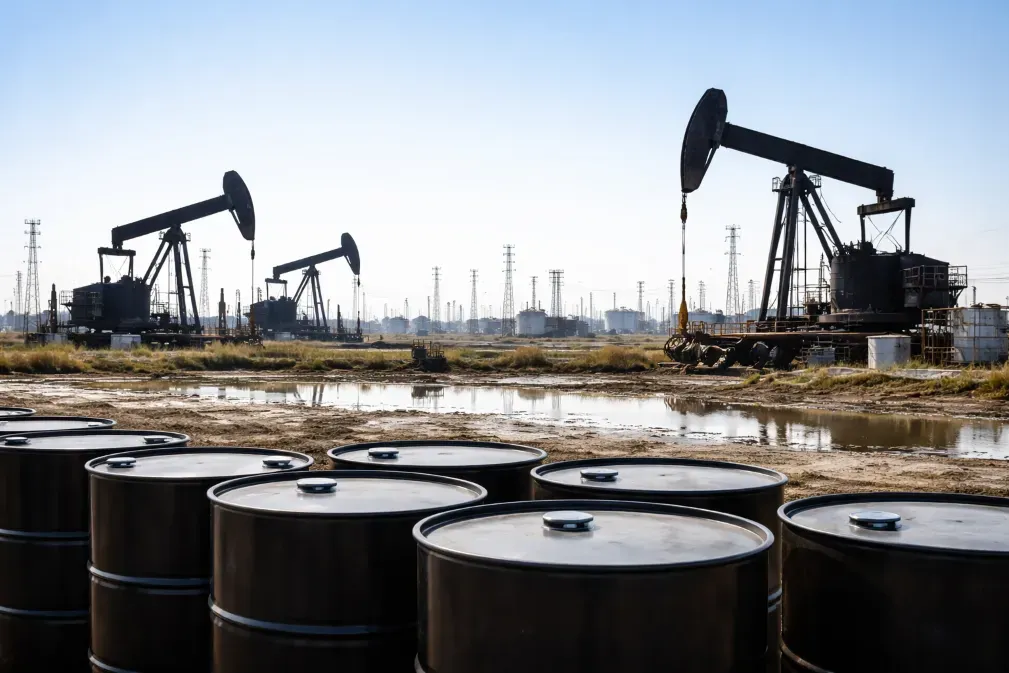
London | EcoPulse24
Brent crude fell as much as 7% to below $90 per barrel during Monday's trading session before trimming part of its losses, after the United States suspended military strikes against Iran for a second consecutive night, easing investor concerns over potential oil supply disruptions in the Middle East.
The pause in military operations began late Friday without any official announcement, while Tehran said it had halted its retaliatory military operations and entered talks with Oman regarding the Strait of Hormuz, one of the world's most critical energy shipping routes.
Despite the temporary easing of tensions, Iran-backed Houthi forces in Yemen claimed responsibility for attacks on facilities associated with Saudi Aramco at the Red Sea ports of Jizan and Yanbu over the weekend, underscoring that security risks to regional energy infrastructure remain elevated.
Market Reassesses Immediate Supply Risks
Oil prices retreated as traders reassessed the likelihood of an immediate disruption to Middle Eastern crude supplies following the temporary halt in U.S. military operations.
The suspension reduced fears of a broader regional conflict that could directly threaten oil production or disrupt exports through key maritime corridors.
However, continued attacks on energy infrastructure and shipping routes suggest that geopolitical risks have not disappeared and could quickly return to the forefront of the market.
Brent Remains Nearly 40% Higher This Month
Despite Monday's sharp decline, Brent crude remains nearly 40% higher this month, reflecting weeks of escalating geopolitical tensions and growing supply concerns across the region.
The rally has been fueled by disruptions extending beyond the Strait of Hormuz to the Red Sea, which has become an increasingly important alternative route for Saudi Arabian crude exports.
The Red Sea transports millions of barrels of crude oil each day, making it a strategically important corridor for global energy markets and increasing the market's sensitivity to any security threats affecting the route.
Market Snapshot
| Indicator | Update |
|---|---|
| Brent Crude | Fell as much as 7%, dropping below $90 per barrel before trimming losses |
| U.S. Military Action | Strikes against Iran paused for a second consecutive night |
| Iran | Announced suspension of retaliatory military operations and held talks with Oman on the Strait of Hormuz |
| Houthis | Claimed attacks on Saudi Aramco-related facilities at Jizan and Yanbu ports |
| Brent Monthly Performance | Nearly +40% |
EcoPulse24 Analysis
Monday's decline illustrates how quickly oil markets respond to changes in geopolitical risk perceptions. While the suspension of U.S. strikes temporarily eased concerns over a broader regional conflict, the continued security threats in the Red Sea highlight that supply risks remain embedded in oil prices.
With both the Strait of Hormuz and the Red Sea serving as critical export routes for Middle Eastern crude, any renewed escalation could rapidly restore the geopolitical risk premium that has driven Brent's strong gains throughout the month.
Explore Related Coverage
Sources & References
Editorial Note
Disclaimer
© 2025 EcoPulse24. All rights reserved.