Gold Climbs Above $4,100 as Pause in U.S.-Iran Fighting Eases Inflation Concerns
Gold rose above $4,100 as US-Iran tensions eased, lowering oil and inflation worries; focus shifts to the upcoming Federal Reserve meeting.

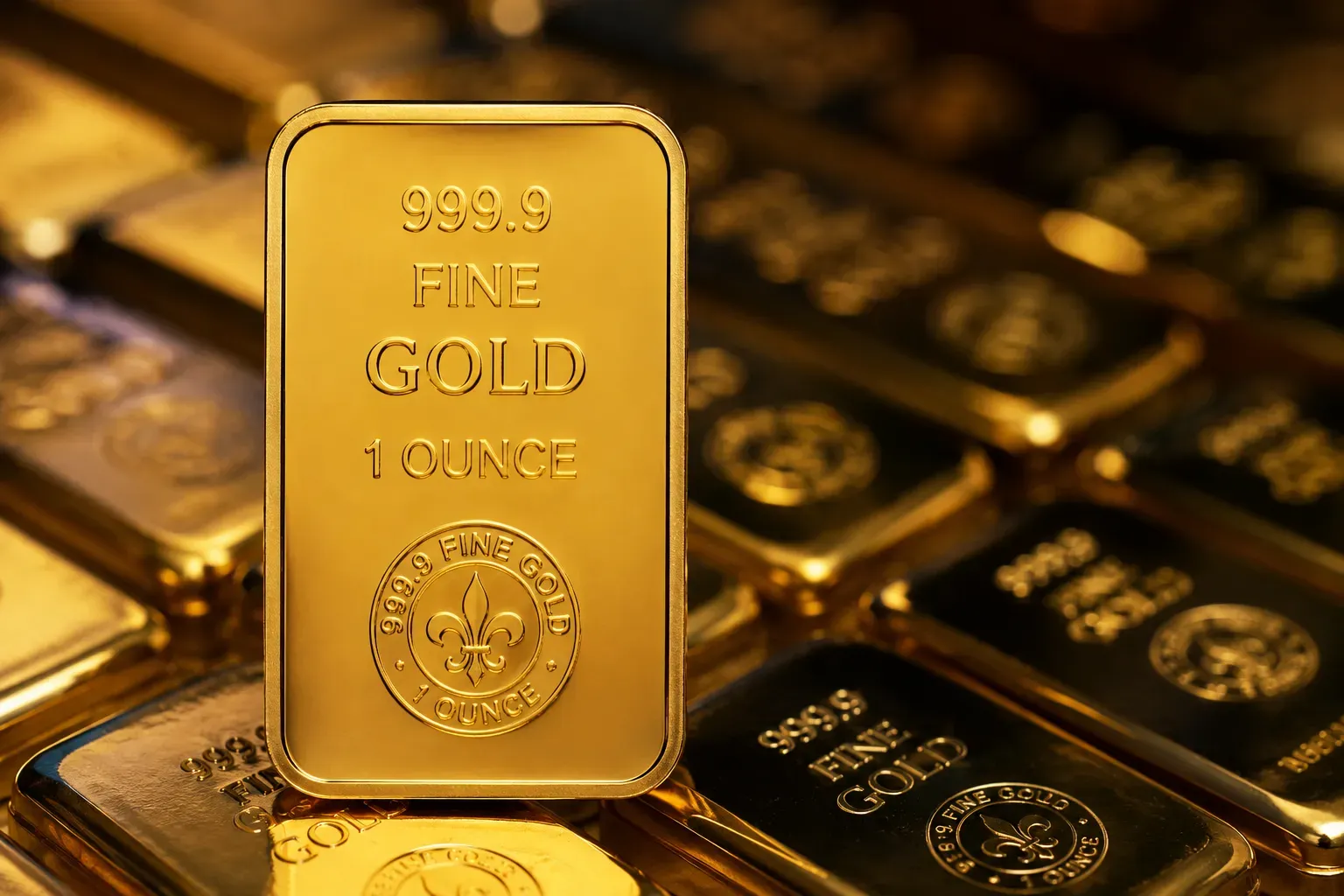
Singapore | EcoPulse24
Gold advanced on Monday after a pause in fighting between the United States and Iran over the weekend eased concerns about oil supply disruptions and inflationary pressures, boosting demand for the precious metal.
Spot bullion rose as much as 1.6% to move above $4,100 an ounce, after gaining nearly 1% during the previous week. By 9:45 a.m. in Singapore, spot gold was trading 1.3% higher at $4,103.43 an ounce.
The move followed the United States' decision to halt an almost two-week campaign of strikes against Iran without any official announcement, while Tehran signaled that it was refraining from retaliatory attacks and had entered talks with Oman over shipping through the Strait of Hormuz.
Oil Retreat Eases Inflation Risks
Gold's gains came as oil prices retreated sharply at the start of the week, reducing concerns that higher energy costs could fuel inflation.
Global benchmark Brent crude fell more than 7% to below $90 a barrel in early trading before recovering part of its losses.
The decline came despite Iran-backed Houthi forces in Yemen claiming responsibility for missile attacks on facilities linked to Saudi Aramco in the Red Sea port cities of Jizan and Yanbu.
Lower oil prices are generally viewed as easing inflationary pressures, potentially reducing the need for central banks to tighten monetary policy further.
Gold Holds Support Around $4,000
Gold has traded largely around the $4,000-an-ounce level since late June, supported by persistent dip-buying that has helped the metal remain above what many traders consider a key psychological support level.
Despite the recent recovery, bullion remains more than 20% below the record high of nearly $5,600 an ounce reached before the United States and Israel launched strikes on Iran in late February, an event that helped end a multiyear bull market in gold.
Federal Reserve Decision in Focus
Renewed fighting in the Middle East in recent weeks had increased inflation concerns by pushing energy prices higher, leading investors to raise expectations that the Federal Reserve could increase interest rates.
Higher interest rates typically weigh on non-yielding assets such as gold, making monetary policy expectations a key driver for bullion prices.
Markets are now closely watching this week's Federal Reserve policy meeting, where officials face competing signals from rising energy costs and a weaker-than-expected reading of the June U.S. Consumer Price Index (CPI).
According to Justin Lin, an analyst at Global X ETFs, the current pause in fighting is supportive for gold, but it may not be enough to trigger a sustained breakout.
"The market needs a meaningful resolution between the U.S. and Iran before bidding gold beyond the range of $4,000 to $4,200," Lin said.
He added that bond yields and inflation expectations will remain elevated as long as the conflict continues, limiting gold's upside potential.
Meanwhile, other precious metals also advanced. Silver climbed 2.7% to $59.75 an ounce, while platinum and palladium posted gains. The Bloomberg Dollar Spot Index slipped 0.2%.
Precious Metals Market Snapshot
| Asset | Performance |
|---|---|
| Spot Gold | $4,103.43 (+1.3%) |
| Intraday Gain | Up to +1.6% |
| Silver | $59.75 (+2.7%) |
| Platinum | Higher |
| Palladium | Higher |
| Bloomberg Dollar Spot Index | -0.2% |
EcoPulse24 Analysis
Gold's rebound highlights how quickly precious metals respond to shifts in geopolitical and inflation expectations. The temporary pause in hostilities between the United States and Iran reduced immediate concerns over energy-driven inflation by helping push oil prices lower, supporting demand for bullion.
However, investor attention is rapidly shifting toward the Federal Reserve's policy decision. While easing geopolitical tensions have reduced some inflation fears, analysts believe gold may remain confined to the $4,000-$4,200 range unless Washington and Tehran reach a more durable resolution. Any renewed escalation in the Middle East or a more hawkish-than-expected Fed outcome could quickly reshape the outlook for both gold and broader financial markets.
Explore Related Coverage
Sources & References
Editorial Note
Disclaimer
© 2025 EcoPulse24. All rights reserved.