China Freezes Rare-Earth Export Controls to the U.S. for One Year
China suspends rare-earth export controls to the U.S. for one year, easing trade tensions and stabilizing supply chains after high-level talks.
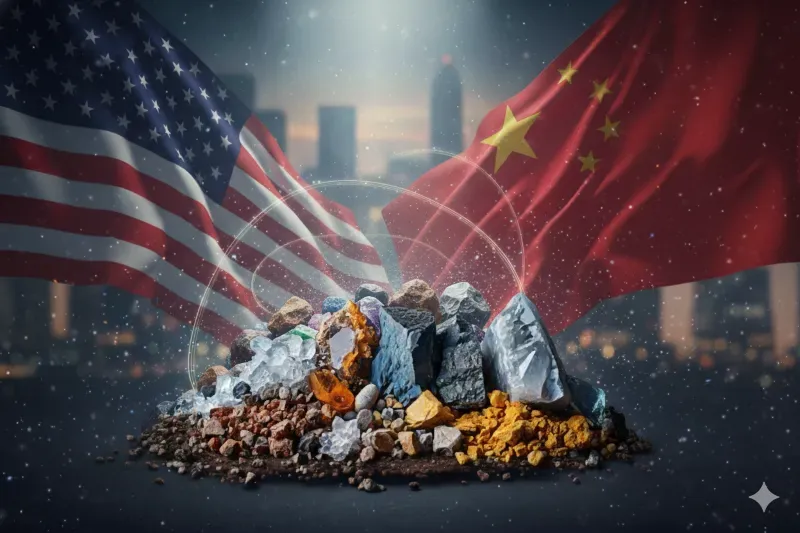
The decision comes as part of a broader package of mutual easing measures agreed upon following a new round of high-level talks between the two countries.
According to the ministry’s statement, the two sides reached new understandings that include the extension of certain tariff exemptions, expanded cooperation on the fentanyl issue, and enhanced agricultural trade.
Beijing emphasized that both nations are committed to keeping dialogue channels open, despite lingering disputes over technology, investment, and national security.
The Chinese government also announced the freezing of countermeasures related to the U.S. “Section 301” investigations, as well as a one-year suspension of restrictions on the American shipbuilding sector.
In addition, Beijing pledged to handle the ongoing TikTok case in the United States with “appropriate flexibility,” suggesting a softer tone on technology-related frictions.
The move marks a reversal of China’s earlier announcement on October 9, when it signaled plans to impose curbs on exports of strategic metals such as gallium and graphite - a step widely viewed as a retaliation against U.S. semiconductor and tariff policies.
By suspending those measures, Beijing appears intent on using the rare-earth issue as a bargaining chip rather than a weapon in its trade negotiations with Washington.
Analysts say the decision sends a positive signal to global markets, as rare-earth elements are critical for high-tech manufacturing, defense industries, and clean-energy technologies in the West.
The temporary freeze could ease concerns among U.S. manufacturers and provide short-term stability to vital supply chains.
Meanwhile, Washington has reportedly agreed to reduce tariffs on Chinese imports from 57% to 47%, in a gesture aimed at maintaining constructive engagement.
However, experts note that major structural issues - such as disputes over artificial intelligence, advanced technologies, and intellectual property protection - remain unresolved.
Economists view Beijing’s decision as tactical rather than strategic, meant to buy time and ease tensions before the next phase of negotiations.
While the move may calm markets temporarily, the broader geopolitical rivalry between the two economic superpowers remains far from over.
Sources & References
Editorial Note
Disclaimer
All rights reserved
Please review the Terms & Conditions.
© 2025 EcoPulse24.