China Tightens Oversight on Price Wars in Auto Sector Amid Falling Prices
China tightens auto price oversight to curb below-cost sales amid falling prices, impacting EV stocks and aiming for sustainable growth.

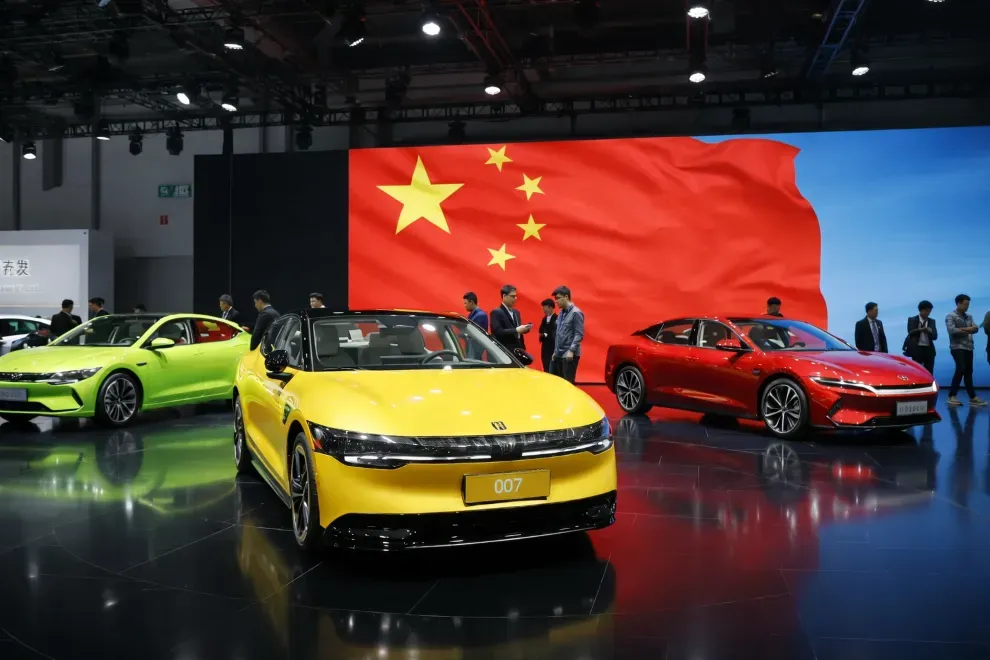
Chinese authorities have ramped up their oversight of the price war within the automotive market as vehicle prices continue to decline despite previous efforts to limit excessive competition, according to Bloomberg. The State Administration for Market Regulation has announced a draft of new regulatory guidelines aimed at preventing the sale of vehicles below production costs, along with curbing discounts and incentives offered by dealers that effectively lead to pricing below cost.
This move has raised investor concerns, negatively impacting the stocks of electric vehicle manufacturers that have relied on discounts to stimulate sluggish demand. Shares of BYD, NIO, Xiaomi, and Leapmotor have fallen, reflecting growing anxiety over broader regulatory tightening in the sector. Analysts believe that weak demand and overcapacity are the main drivers of the ongoing discount wars.
The new measures are part of a broader government effort to combat what is known as "involution," where intense competition leads to diminishing returns and eroding profit margins, threatening the sustainability of the sector. Market data shows that the average transaction prices continue to decline, with BYD's average price dropping from 116,200 yuan in June to 108,100 yuan in October. Manufacturers continue to offer incentives to compensate for reduced government support for replacement and electric vehicle purchase programs.
Meanwhile, shares of some car dealers have risen on hopes that the new rules will alleviate pressure to offer steep discounts to meet sales targets. However, analysts warn of execution challenges, citing difficulties in raising prices amid weak demand, especially for luxury internal combustion engine vehicles.
The draft also includes measures to combat collusion, recommending companies to establish price monitoring and risk management systems, and is open for public comments until December 22. Additionally, authorities plan to impose export licensing for electric vehicles starting next year to curb the phenomenon of "zero-mile cars" used to inflate sales numbers before reaching end consumers. The tightening of government oversight reflects a shift in Beijing's priorities from supporting rapid growth to enhancing sustainability and profitability in the automotive sector, which may limit price wars in the medium term but imposes a challenging transition for manufacturers reliant on discounts.
Sources & References
Editorial Note
Disclaimer
© 2025 EcoPulse24. All rights reserved.