Cocoa Cycle Reverses as Consumer Demand Contracts, Pressuring Prices After Historic Surge
Cocoa prices drop below $4,000/ton as global chocolate demand falls, ending last year's surge; retail prices remain high despite lower demand.

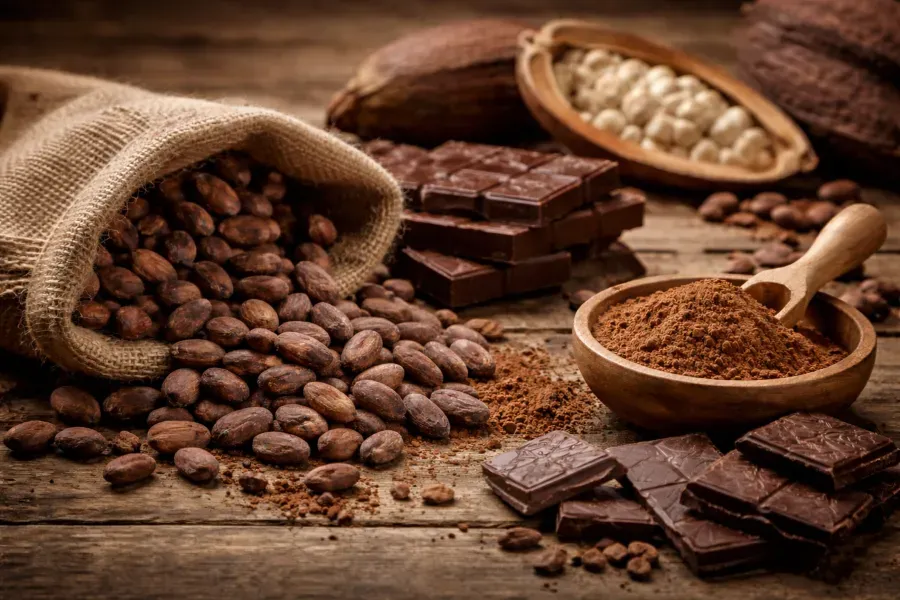
London | EcoPulse24
Agricultural commodity markets have witnessed a sharp reversal in the trajectory of cocoa, as falling global demand for chocolate products has triggered a significant price drop, ending an extraordinary rally that pushed cocoa to record levels last year. This shift comes as consumers cut back on consumption amid rising prices and changes in product specifications.
Cocoa prices have fallen below $4,000 per ton - a level not seen since late 2023 - after having more than tripled during the peak of a crisis caused by poor harvests in West Africa, the world’s main cocoa-producing region. This decline signals the onset of what markets describe as demand destruction, rather than a mere temporary price correction.
Industry data points to this shift: the world’s largest bulk chocolate producer has reported a drop in sales, while cocoa processing in Europe - the largest global consumption region - has fallen to its lowest quarterly level since records began in 2013, directly reflecting weakened end-user demand.
On the consumer side, food companies have adopted various strategies to deal with higher costs, including shrinkflation (reducing product sizes) and lowering ingredient quality by reducing cocoa butter content and substituting cheaper vegetable oils, all while keeping prices high. This reality has led consumers, especially in Europe, to reduce purchases, deepening demand pressures.
Despite the steep decline in cocoa prices, retail chocolate prices are not expected to drop soon, as companies face operational challenges and price volatility that prevent rapid adjustments in production lines. A return to 'higher quality' recipes is also unlikely as long as consumers continue to accept modified products.
EcoPulse24 Analysis:
What is happening in the cocoa market is a classic example of a supply-driven commodity bubble burst when demand cannot keep pace with soaring prices. The consumption decline is not only cyclical but also behavioral, linked to changing buying habits and consumer reluctance to pay more for smaller or lower-quality products. In the medium term, cocoa may face a period of sharp fluctuation between abundant supply and cautious demand, with food companies remaining the relative winners if they can maintain margins without losing their customer base.
Explore Related Coverage
Sources & References
Editorial Note
Disclaimer
© 2025 EcoPulse24. All rights reserved.